Bruce Rockowitz’s Blueprint for Business Growth in an Evolving Global Economy
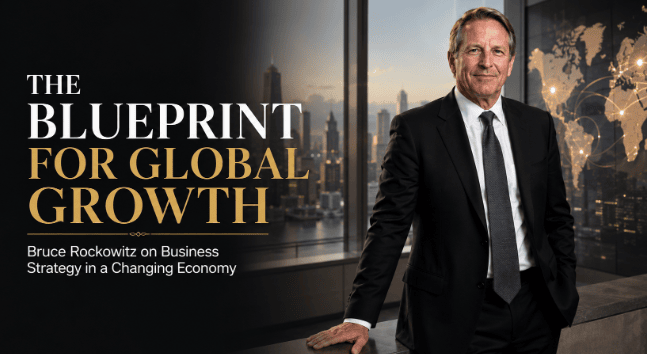
Growing a business in today's global economy is not as simple as increasing sales or entering new markets. Companies must understand changing customers, manage international operations, build reliable partnerships, and respond quickly when market conditions shift. Globalisation has created new opportunities, but it has also made competition more intense. The experience of Bruce Rockowitz offers useful lessons about how businesses can approach growth while remaining flexible in an increasingly connected world.
His career across international retail, sourcing, and brand development reflects a business environment where companies must constantly adjust to new opportunities and challenges. From understanding different markets to building strong relationships, several ideas from this experience can help businesses create a stronger foundation for sustainable growth.
Look Beyond the Home Market
One of the first steps toward business growth is recognising opportunities beyond a company's original market. International expansion can provide access to new customers, suppliers, and business partners. However, entering another country requires more than simply offering the same products in a new location.
Every market has its own culture, consumer habits, regulations, and competitive landscape. Businesses need to understand these differences before making major decisions.
The international experience associated with Rockowitz highlights the value of combining a global outlook with local understanding. Companies can develop a broad strategy while still adapting their approach to suit individual markets.
This balance can help businesses expand without losing sight of what customers actually want. Growth becomes more sustainable when companies understand both the wider market and the specific needs of the people they serve.
Adaptability Should Be Part of the Strategy
Markets change constantly. Consumer preferences evolve, technology creates new ways of doing business, and economic conditions can affect demand. Companies that remain too rigid may struggle when the environment changes.
Adaptability, therefore, should be built into the way a business operates. Leaders need to monitor trends, understand risks, and be willing to adjust their plans when necessary.
This does not mean abandoning a long-term vision every time something changes. Instead, it means finding practical ways to respond while keeping the company's main goals in focus.
The ability to adapt is particularly important for businesses operating internationally. A strategy that succeeds in one market may need to be adjusted elsewhere. Flexible companies are often better prepared to respond when new opportunities or unexpected challenges appear.
Build Strong Relationships
Business growth rarely happens alone. Companies depend on suppliers, manufacturers, retailers, distributors, investors, employees, and other partners.
Strong relationships can make it easier to enter new markets and manage complex operations. They can also provide access to knowledge and resources that a business may not have internally.
For international companies, relationships become even more valuable. Working across borders can involve different cultures, languages, time zones, and business practices. Trust and clear communication help reduce misunderstandings and create more effective cooperation.
The global business experience associated with Rockowitz demonstrates why partnerships can be an important part of long-term growth. Businesses that build reliable relationships are often better positioned to solve problems and take advantage of new opportunities.
Understand the Customer Before Expanding
Growth should always be connected to customer demand. A company may have a strong product, but that does not guarantee success in every market.
Customers in different regions may have different expectations about price, quality, design, service, and convenience. Businesses need to study these differences before entering new markets or launching new products.
Customer feedback, market research, and sales data can all help companies make better decisions. However, leaders must also understand the wider context behind the numbers.
This customer-focused approach can reduce unnecessary risks. Instead of expanding simply because a market appears attractive, businesses can identify where their products or services are most likely to create real value.
Balance Growth With Long-Term Stability
Rapid expansion can be exciting, but growth without a strong foundation can create new problems. Companies need to ensure that their operations, supply chains, partnerships, and customer service can support a larger business.
A thoughtful business growth strategy should therefore focus on both opportunity and stability.
Leaders must consider whether the business has the resources and systems needed to support expansion. They also need to think about how today's decisions will affect the company several years into the future.
This long-term mindset can help businesses avoid growing too quickly or entering markets without proper preparation. Sustainable growth is usually built through steady improvements rather than one dramatic move.
Learn From Change and Challenges
Every business faces difficult periods. Global companies may encounter economic uncertainty, supply chain disruptions, changing customer behaviour, or increased competition.
The strongest organisations are not necessarily those that avoid every challenge. Instead, they are often the ones that learn from difficult experiences and use those lessons to improve.
Challenges can reveal weaknesses in a company's operations and encourage leaders to rethink old assumptions. A business that responds thoughtfully can become more resilient over time.
A Practical Blueprint for Future Growth
The global economy will continue to evolve. Technology will create new opportunities, customer expectations will change, and international competition will remain strong.
The lessons reflected in Bruce Rockowitz's global business experience provide a useful framework for companies navigating this environment. Look beyond local markets, understand customers, build strong partnerships, stay adaptable, and focus on sustainable expansion.
Successful growth is not simply about becoming bigger. It is about becoming stronger and more prepared for the future.
Businesses that combine a clear vision with practical flexibility will be better equipped to navigate uncertainty. In a rapidly changing global economy, the ability to learn, adapt, and create lasting value may be the most important advantage of all.

