Building a $51k/mo ecosystem of small
apps
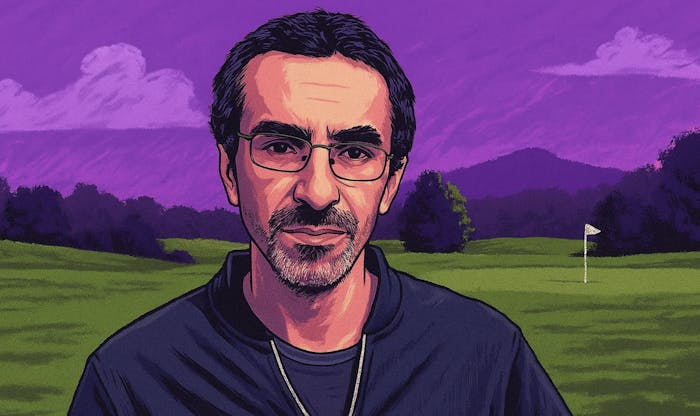
Sorin Alupoaie researched a niche and built a solution to a common problem. Then he built another. And another... Now, Swifteq is a €44k/mo portfolio of apps.
Here's Sorin on how he did it. 👇
Building a €44k/mo portfolio
I’m a software engineer at heart. I’ve been building stuff for as long as I can remember, mostly in the web and SaaS world. Before Swifteq, I actually tried to launch another product that didn’t really take off, but it taught me a ton about shipping fast, talking to users, and not falling in love with the wrong ideas.
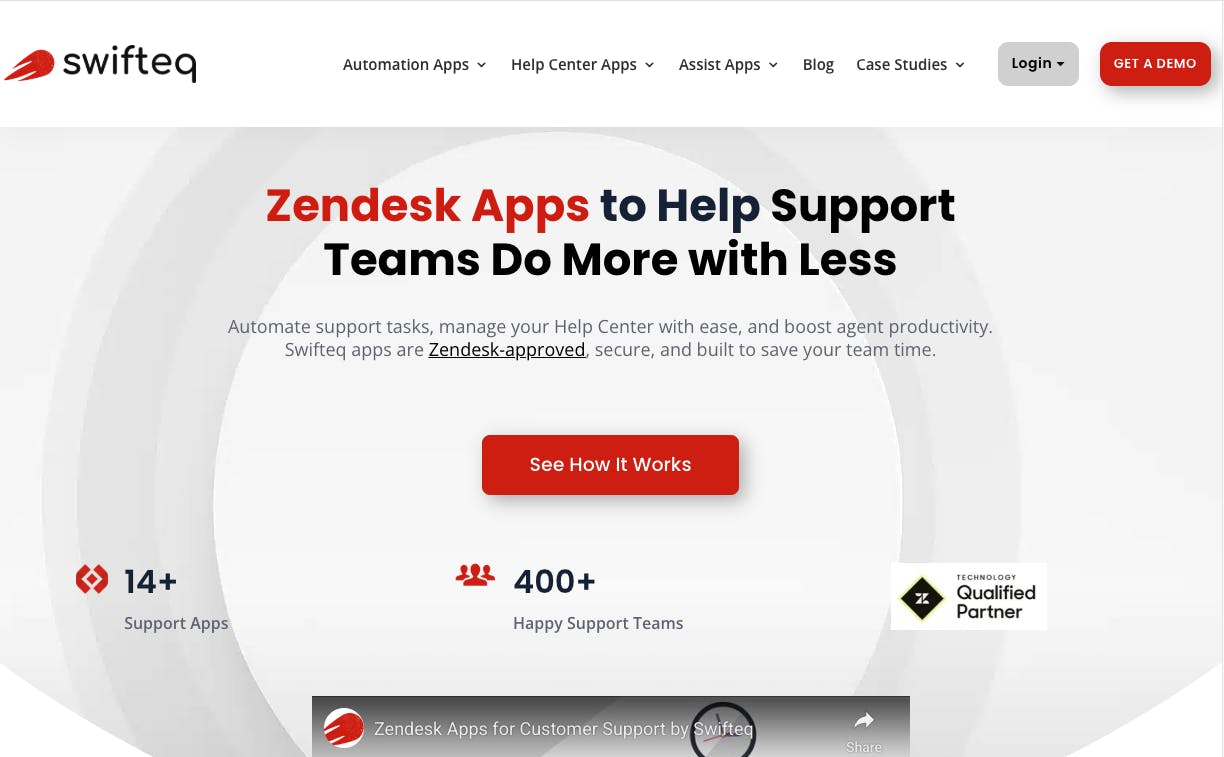
In 2020, I started Swifteq as a solo founder. We build apps for the Zendesk ecosystem that help support teams work smarter and use Zendesk more effectively. Think quality-of-life tools for agents and admins. Today, we have a suite of products on the Zendesk marketplace, including ticket and help center translation, an agent copilot, automation tools, and a few others that focus on efficiency and productivity.
Right now Swifteq is doing around €44k in MRR. Growth isn’t perfectly smooth every month, but the overall trend has been solid. Some months jump more than others, some are quieter, but it keeps moving in the right direction and that’s what matters.
Building the right kind of career
I had the itch to start a business for a while before I actually started. Of course, the financial upside matters, but what really pushed me forward was independence. I wanted to be responsible for my own wins and my own mistakes, not stuck somewhere deep in a giant org where decisions are made far above my head.
I love building things and the constant learning that comes with it. You think you’ve figured something out, then a week later, you realize you had barely scratched the surface. That cycle keeps you sharp. It’s addictive.
Impact is a huge part too. I didn’t want to be another engineer buried in the back of a big company, doing work that never saw the light of day. With Swifteq, every decision I make can have a direct impact on customers. When someone tells me one of our apps makes their day smoother or saves them time, that’s incredibly motivating.
And one more important part: the type of business I chose to build. Swifteq is fully bootstrapped and founder-owned. I’ve been through the investor route before, and I didn’t enjoy it. It killed the independence and added tension where I didn’t want it. Building a lean, profitable, bootstrapped business fits the life I want. It lets me support my family, be present with my kids, and build something meaningful without sacrificing everything else.
Researching and building the first app
For the first version of Swifteq, I tried to keep things simple. I started by choosing exactly who I wanted to serve — support teams working on Zendesk. That gave me a clear focus from day one.
Then, I spent a lot of time digging through community forums. Zendesk has its own community site, but there are also independent places like Support Driven where support folks openly share their pain points. I read tons of threads, tried to understand what people were actually struggling with, and looked for patterns.
One issue I saw over and over was agents having to manually merge multiple tickets created by the same customer. It was tedious, and it pulled people away from actual customer problems. There were already some solutions on the market, but they weren’t great, and they were pretty pricey for what they did. So I built a solution that automatically merged duplicate tickets based on predefined rules. Agents stopped wasting energy on busywork, and that became my first app. It's called Merge Duplicated Tickets.
From there, it was all about shipping and iterating. I built a simple version, put it in front of real users, collected feedback, and kept improving it. That loop has been the foundation for every Swifteq product since: listen, build, test, repeat.
Navigating platform risk
One major challenge is platform risk. Swifteq is built on top of Zendesk. There are benefits like built-in distribution, exposure on the marketplace, and an existing customer base. But the flip side is that your entire business is tied to decisions you can’t control. When Zendesk releases new features that overlap with what I build, it can hurt.
It already happened with one of my apps that helped customers clean up attachments for compliance and storage reasons. Zendesk shipped a similar capability natively, and that will probably cost me around two thousand in MRR. It’s not catastrophic because I have multiple apps, but it is painful and it increases churn.
To deal with this, I try to spread the risk. I’ve started exploring other platforms. I build multiple apps instead of relying on a single one. I keep an eye on new trends and gaps in the market. But it’s still an ongoing challenge.
If I had to start over, I would probably avoid building directly on a platform. I’d go for a standalone SaaS, something I fully control.
A straightforward stack
I stick to tools I know well. The stack is pretty straightforward:
On the front end, I use React.
The API layer runs on Node and talks to MongoDB.
For anything that needs heavier backend processing, I use Python with Flask.
Everything lives on AWS. It’s simple, fast to ship with, and easy for me to maintain as a solo founder.
Organic growth
So far the strategy has been: Build genuinely useful tools, make them easy to find, stay connected with the ecosystem, and keep showing up with helpful content. It’s not flashy, but it works.
Communities
Growing Swifteq has mostly been about staying close to where Zendesk customers already hang out and being useful to them.
Free tools
One of the most effective channels has been free apps. We have a few simple, genuinely helpful tools on the Zendesk marketplace, like export utilities and an advanced search app that improves on a weak native experience. These are widely used and bring in a steady stream of people who discover the rest of our products. Because they all share the same account system, I often see free users exploring our paid apps. I don’t have detailed attribution yet, but the traffic is definitely there.
SEO
Content has also been a long-term play. We publish SEO-focused articles that bring in relevant traffic from Google, and we keep a weekly newsletter going to everyone using our apps, both free and paid. Even if the SEO curve isn’t explosive, it’s stable and it compounds. The newsletter keeps us top of mind and occasionally sparks upgrades.
Partners
Then there’s the partner angle. Over time I’ve built relationships with two groups: Zendesk employees on the customer-facing side, and independent Zendesk partners and consultants. The second group has been especially helpful.
They implement Zendesk for clients and often recommend our apps when they run into gaps. There’s no formal partner program in place yet, but the informal connections already generate meaningful referrals. Zendesk employees recommend us for things where we don’t overlap with Zendesk features. They will always prioritize the official suite of tools, so staying visible without being annoying is the key here.
Needed improvements
What can be improved? I see a few areas. I need better tracking to actually measure referral conversions and upsell rates between apps. I also want to produce more video content and lean into founder-led content on LinkedIn. There’s potential in doing walkthroughs of AI features, maybe even short training videos focused on customer service workflows.
There’s also an opportunity to formalize partnerships. A structured setup program or a simple referral incentive for Zendesk partners could help. And attending conferences like Zendesk Relate would get us in front of more consultants and employees.
Portfolios reduce risk and increase revenue
Our business model is simple. Swifteq is a portfolio of small, focused SaaS apps that plug into Zendesk. Each app solves a very specific problem that Zendesk doesn’t handle well, and everything runs on a recurring subscription. Because each app is lightweight and solves a clear pain point, customers can try exactly what they need without committing to a giant bundle.
Offering multiple apps helps stabilize and grow revenue. When you have a portfolio instead of a single product, you reduce platform risk and create natural upsell paths. Users who discover one useful tool often explore the rest.
So the model is recurring subscriptions across a portfolio of micro SaaS products, and growth has been driven by a mix of free tools, content, strong presence in the ecosystem, and steady improvements to each app.
Five pieces of advice
If you’re just getting started, here are the things I wish someone had drilled into my head years ago:
Focus on distribution
If you’re a developer, your instinct is to build. You sit down, write code for months, maybe years, and only then start thinking about customers. That’s how most of us start, and it’s a huge mistake. Building is the easy part. You need to keep marketing and distribution in mind from day one. Talk to people. Hang out where your audience hangs out. Learn what they actually struggle with. Look for patterns, not one-off complaints. Steve Blank calls it customer discovery for a reason.
Once you find a real problem, building the solution is only half the job. The harder half is figuring out how customers will find you. Cold emails and random outreach are fine in the early stages when you’re validating, but they don’t scale. Think about where your customers spend time and show up there as a helpful voice. Share knowledge, give advice, build credibility long before you try to sell anything.
Hire earlier than you think you should
If you get to the point where you’re making some revenue, don’t let yourself stay trapped in the builder cycle. Hire a developer earlier than you think. You need mental space for marketing, strategy, and distribution. Not just time, but actual headspace.
Price high
Pricing is another big one. Don’t price too low. It attracts low-commitment customers who never give feedback and churn easily. And if you’re selling to enterprise, you need to price like you’re selling to enterprise. Long sales cycles, security reviews, legal redlines, endless demos. You can’t charge pocket change for that level of effort.
Don't isolate yourself
Don’t isolate yourself. Solo founding doesn’t mean being alone. I’ve found it important to stay connected with people I respect and who support what I’m doing. I don’t have a formal mentor, but I’m picky about who I learn from. Listen to people who have already done what you’re trying to do. Podcasts, books, communities, anything that exposes you to real experience. Startups for the Rest of Us has been incredibly valuable for me, but there are plenty of great sources out there.
Protect your energy
And finally, protect your energy. Burnout is the only real failure mode for bootstrapped indie hackers. You’re not going to run out of investor money because you don’t have any. You’re not going to be fired. You’ll fail only if you burn out and give up. So take care of yourself. Exercise, have hobbies, spend time with people you love. Keep your mental health in check. A sustainable pace beats hero sprints every time.
Personally, I spend time with family, I exercise, I keep hobbies. I do a lot of fishing. Since I live by the sea, I can take an hour or two to reset when I feel stressed. It clears my head and I come back sharper.
Getting outside of platform risk
Looking ahead, I’m at a bit of a crossroads moment. Swifteq has been growing, and I’m proud of what I’ve built, but the platform risk is very real. Zendesk has been rolling out more AI features, and some of them overlap directly with what I offer. When that happens, I lose revenue, and it’s demoralizing. It makes me question how far I can realistically scale a business that depends so heavily on someone else’s roadmap.
My short-term goal is to keep improving what I have. I’ll continue investing in AI, building new tools, and finding new ways to help support teams. There’s still plenty of value I can create, and the business isn’t anywhere near its ceiling yet.
But at the same time, I’m starting to carve out time each week to explore new opportunities outside of the Zendesk platform. If and when I build my next product, it will be a standalone SaaS. I want more control over the roadmap, the distribution, and the long-term risk. I’d like to build something where a single decision from a platform provider can’t wipe out months of work or a chunk of MRR.
The big question I’m trying to answer is whether Swifteq can realistically reach one or two million ARR while being tied to a single platform. I know it’s possible because others have done it, but I’m not yet convinced it’s the right path for me.
So, my plan is to keep pushing the current business forward, keep learning, and in parallel explore ideas that give me a more independent foundation. The experience I’ve gained so far has been invaluable, and whatever I do next will build on top of it.
Follow along
If you want to follow along or reach out, I’m most active on LinkedIn. You can also find all our products on the Swifteq website, and if you ever want to chat, you can drop me an email (sorin at swifteq dot com). I’m always happy to connect with other indie hackers and share experiences.

Leave a Comment
Impressive numbers, but what stood out to me is the discipline behind it. Building a bunch of small apps sounds chaotic until you realize most people fail because they never let anything compound.
Curious whether you had to actively kill ideas to keep this sustainable, or if the ecosystem naturally filtered itself over time.
great article, how did you get your first customer
Building within the Zendesk marketplace is a platform bet that trades distribution risk for acquisition cost. The Zendesk marketplace gets browsed by tens of thousands of support teams who are already paid-up Zendesk subscribers — they're actively looking for add-ons that make their existing investment work better. That's a very different acquisition dynamic than cold outbound or SEO. Sorin gets warm leads from the marketplace itself, without the typical founder grind of making strangers aware you exist.
The portfolio-within-a-platform approach compounds in a specific way: the first app builds seller reputation and customer relationships inside the Zendesk ecosystem. The second app can cross-promote to the same customer base who already trusts Swifteq as a vendor. By the third or fourth app, the customer acquisition cost per new product is dramatically lower than for the first one. €44K/mo as a solo founder with that unit economics profile is the result of that compounding.
The platform risk tradeoff is real and worth acknowledging: Zendesk can change marketplace terms, alter the revenue share, deprecate APIs, or shift the platform's strategic direction. A solo founder building within a single platform has concentrated dependency. Sorin's mention of this in the interview shows he's thinking about it — the countermeasure is building direct customer relationships that exist outside the marketplace, so that if the platform changes, some of the revenue is portable.
"Not falling in love with the wrong ideas" is the key takeaway from his early failure. The Zendesk focus is the opposite of that mistake: it's a well-defined, high-intent customer segment with clear problems and willingness to pay.
€44K/mo solo is excellent unit economics. The margins on this should be exceptional.
This was a really solid read. I especially respect how honest you were about platform risk and the trade-offs of building inside an ecosystem like Zendesk. Hitting €44k MRR as a solo founder while staying bootstrapped is no small thing.
The part that resonated most with me was your emphasis on distribution from day one. As someone building my own website, I’ve realized the same hard truth building is the comfortable part. Figuring out sustainable distribution and visibility is much harder.
I’m currently facing a similar dilemma around dependency. Not platform risk in the Zendesk sense, but relying too heavily on a single acquisition channel. It works… until it doesn’t. And that uncertainty creates the same kind of long-term tension you described.
Your portfolio approach is interesting because it spreads risk across products. I’ve been thinking about whether diversification on the distribution side works the same way multiple steady channels instead of one dominant source.
Really appreciate the depth in this post. It’s refreshing to read something that talks about the real strategic trade-offs, not just the wins.
Really appreciate you taking the time to write this that means a lot.
You nailed something important: building is the comfortable part. It’s tangible, it feels productive, and you’re in control. Distribution is messier. It forces you to deal with uncertainty, other people’s platforms, algorithms, attention cycles… and that’s where the real leverage (and risk) lives.
Your point about channel dependency is spot on. Platform risk and acquisition-channel risk are basically cousins. When one source works well, it’s tempting to double down because it’s efficient. But the moment it becomes the majority of your growth, it quietly turns into a single point of failure. And like you said it works… until it doesn’t.
I do think diversification on the distribution side can work similarly to a product portfolio, but with a nuance: not all channels deserve equal weight. A few steady, compounding channels (SEO, partnerships, owned audience, etc.) feel very different from something more volatile. The goal, at least for me, isn’t spreading thin it’s reducing existential risk.
And honestly, the tension never fully goes away. Even with multiple products or channels, you’re just choosing which risks you’re more comfortable underwriting.
Really thoughtful reflection on your end too. It’s always encouraging to hear from other builders thinking beyond just “what works now” and into “what’s durable.”
This post actually helped me rethink a challenge I’ve been dealing with on my own website.
Like you mentioned with platform risk, I realized I was too dependent on a single acquisition channel. It was working, but the moment performance fluctuated, it created stress and unpredictability. Reading your approach to diversification made me step back and rethink distribution the same way you think about product portfolios.
What’s been surprisingly effective for me is leaning more into Reddit not promotion in the traditional sense, but structured participation in niche communities where people are already discussing the exact problems my product solves. Instead of relying on one channel, those conversations compound over time and diversify traffic sources in a more organic way.
It’s not instant or flashy, but similar to your portfolio model, it spreads risk and builds a more stable foundation.
Really appreciate you sharing this it’s rare to see someone openly talk about the tension between growth and platform dependency.
Love this perspective especially the way you framed Reddit participation as risk diversification rather than promotion.
What stood out to me is the compounding effect you mentioned. A lot of founders underestimate how powerful “evergreen conversations” can be. When you consistently show up in threads where your audience is already discussing real problems, you’re not interrupting you’re integrating. That shift alone changes the quality of traffic you attract.
I also relate to the stress of relying too heavily on a single channel. When performance dips, it feels like the whole foundation is shaking. Diversifying through structured community engagement builds something much more resilient over time.
Appreciate you sharing this. It’s a thoughtful reminder that sustainable growth often looks quieter but it’s usually stronger.
Really insightful article. I'm at the stage of trying to get pre-launch sign ups to join my waitlist and struggling. Can't seem to get the conversion. I'm getting views on my landing page but for some reason no conversion, what would you advise with this?
As a reliable partner, Wizard Hilton Cyber Tech employs a team of seasoned cybersecurity and digital forensics experts who use state-of-the-art tools and techniques to thoroughly investigate each case, leaving no stone unturned in the pursuit of recovering lost or stolen Bitcoin holdings. The company serves both individuals and businesses that have fallen victim to the unpredictable and frequently dangerous world of cryptocurrency. Their streamlined, multi-stage recovery process is designed to navigate the complexities of blockchain technology, identifying points of vulnerability and exploiting any available avenues to successfully retrieve the rightful assets of their clients. Wizard Hilton Cyber Tech understands the immense emotional and financial toll that Bitcoin-related losses can take, which is why they approach each engagement with the utmost compassion, discretion, and dedication, providing personalized support and guidance every step of the way. With an impressive track record of recovering millions in Bitcoin, this cybersecurity powerhouse has earned the unwavering trust of a global client base seeking to regain control over their digital wealth. Whether you've fallen prey to a sophisticated hacking scheme, a fraudulent investment opportunity, or simply made an innocent mistake in your cryptocurrency transactions, Wizard Hilton Cyber Tech stands ready to leverage its unparalleled expertise to restore what is rightfully yours, giving you the peace of mind and financial security you deserve. Contact these experts via: Email : wizardhiltoncybertech ( @ ) gmail (. ) com
WhatsApp number +18737715701
Thank you for all you do.
This story hits exactly what most people forget: sometimes it’s not about one “big win” but about staying in the game long enough for things to finally connect.
What I love most is how simple the whole system is: community → newsletter → sponsorships → SEO → repeat. No complex stack, no overthinking, just consistent value and smart timing.
The mindset shift from “build one unicorn” to build small, sellable micro-businesses is honestly one of the most underrated paths in tech right now.
Huge respect for sharing the decade of struggle !!! that’s the part people usually skip. As someone building my own products, this is the kind of story that actually keeps you going.
They built multiple small apps, each solving a problem, together generating about $51K/month in recurring revenue.
As a new dev still learning the ropes, these 5 tips hit so different—total eye-openers!
I used to fixate only on coding, but realizing “distribution > just building” was a game-changer. I’ve started chatting with potential users online instead of hiding behind my screen, and it’s already shaping what I work on. Hiring earlier and pricing high also make sense now—no more underselling my work or burning out trying to do everything alone.
Love this story. The bit about platform risk and not betting everything on a single product really hit me — I’m a dev bootstrapping my own thing and it’s so tempting to just keep building “the one big app”. Seeing how you stacked several small, focused tools into real revenue is a good reminder that boring, niche problems are often the best path.
YOU CAN RECOVER YOUR STOLEN FUNDS WITH THE HELP OF // THE HACK ANGELS RECOVERY EXPERT
The most reputable and trustworthy recovery experts available today. THE HACK ANGELS RECOVERY EXPERT. They can help you retrieve your stolen crypto funds. They have technical expertise resources to track down and recover lost crypto. I had lost £973,000 to fraud and at first I thought it was gone for good. I went online to search for recovery, I saw numerous testimonies regarding THE HACK ANGELS RECOVERY EXPERT and how they had assisted other people in getting their money back. I didn't hesitate to contact them, in just a few days the experts returned all my money. They said that they did an investigation and returned my money immediately. They can never ask you for any upfront payment. They can help you track your funds. They are cyber security experts doing great jobs out there. Be wise and do your research to avoid being scammed again. For anyone in a similar situation seeking to recover funds lost to online scams, contact THE HACK ANGELS RECOVERY EXPERT through
WhatsApp +1520200-2320
Looking for a compelling press release to promote your Christmas event or holiday campaign?
Prime Nova Solutions Professional Press Release Writing & Distribution
Looking to give your announcement the visibility it deserves? Prime Nova Solutions provides expertly crafted press releases and strategic distribution designed to amplify your message and strengthen your brand presence.
We specialize in high quality PR writing across a wide range of industries, including:
Crypto & Blockchain PR Clear, authoritative releases for projects, exchanges, tokens, and innovations.
Music PR Artist features, release announcements, event promotions, and industry visibility.
Product Launch PR Compelling content that highlights key features and market impact.
Book PR Engaging press releases for authors, book launches, and promotional campaigns.
Christmas & Seasonal PR Festive, engaging messaging tailored for holiday marketing and events.
What you get:
✔ News-ready, professionally written press releases
✔ Strong storytelling that attracts media and audience attention
✔ Targeted distribution to reputable outlets
✔ Fast delivery and clear communication
Connect with Prime Nova Solutions:
WhatsApp: 08060371685
Let’s amplify your story and get your announcement in front of the right audience.
Thanks for sharing this wonderful post! If you start feeling a bit hungry during or after work, grab something fresh and tasty. Eating healthy keeps your energy up and helps you perform at your best.
This story shows that all you really need is to find a real problem and solve it to build a successful company.
A lot of people start a company with just an idea, and it ends up failing because they build what they think will work instead of finding out what people actually need and creating a solution for a real problem.
Wishing you continued success, Sorin :)
some of the points resonate very well with my POV
platform risk...
building in public..
taking care of your mental / physical health and avoiding burn out...
but most important of them all: distribution is more important than product
I just started getting out of the 9-5 hustle in 2025... and I've learnt and awful lot from other successful founders like Sorin here..
the ONLY success metric of a bootstrapped startup is revenue
everything else is a vanity metric.. page views, likes, comments, etc.
Really impressive journey! I love how you’ve built a portfolio of micro-SaaS apps that each solve a very specific pain point — it’s such a smart way to reduce platform risk while creating recurring revenue. Your approach of starting with user research, shipping fast, iterating, and staying embedded in the ecosystem shows a deep understanding of what it takes to grow a bootstrapped product sustainably. I also appreciate the emphasis on protecting energy and mental health — so often overlooked by indie founders. Excited to see how Swifteq evolves, especially as you explore opportunities outside of platform dependency.
Really inspiring breakdown — especially the part about building a portfolio instead of depending on one big bet. As someone building Shyfto, a simple no-login file-sharing SaaS, this really resonated with me.
I learned the same thing early: one product = one point of failure. Platforms change, features get copied, and suddenly your entire roadmap is at risk. Your approach of spreading risk across multiple small, focused tools makes a lot of sense.
For Shyfto I’m trying something similar in the long run — starting with a core product (fast file sharing, encrypted transfers, auto-delete timers, instant share links, device-friendly uploads), but eventually planning to branch into complementary tools so I’m not tied to a single feature or platform shift.
Also appreciate the reminder about distribution > just building. As a beginner, I mostly used to code first and think about users later, which is the wrong order. Now I’m spending more time:
showing up in communities
talking to users
improving onboarding
publishing SEO content
learning what people actually struggle with
Your story is a great example of how small tools + consistent improvement + staying close to the ecosystem can compound over time.
Thanks for sharing so openly. Following along!
Great read. I’m building a small portfolio of standalone apps and the parts about quick shipping, platform risk, and keeping things lean really clicked for me. Simple but strong reminders. Appreciate you sharing the real story behind the numbers.
Thanks for the valuable information.
Relinquishing power can be difficult but ultimately frees you up to think more and use your energy where its needed the most. Thanks for sharing
i was wondering about pricing my own app, thanx for sharing the idea of pricing
I'm part of a few Zendesk communities with Sorin and have watched him build his app empire over the past few years. He truly listens to his users and builds what they need - not what he thinks they need. Super talented developer and entrepreneur!
Thanks for the insights — really helpful. How did you get your first users?
I love the progress
“Remarkable progress! Building a $51k/month ecosystem of small apps showcases impressive entrepreneurship and strategic growth.”
“Remarkable progress! Building a $51k/month ecosystem of small apps showcases impressive entrepreneurship and strategic growth.”
The single platform risk is the killer. I see the same thing in the content creation world. Lot's of a.i writing tools that are good now, but for sure the big LLM players will push features out that cannibalise them.
Make hay whilst the sun shines and see if you can find a way to diversify.
Have you considered trying to sell before it's 'too late'?
The platform risk section hit hard. Losing revenue overnight due to native features is brutal. Respect for still pushing forward with a diversified portfolio. Do you now actively avoid building anything that feels too close to Zendesk’s core roadmap?
Inspirational. Thanks for sharing & looking forward to seeing your next progress update!
It’s great to hear about the success of small, focused apps. I find that the constraints you choose for your ecosystem often define its strength.
Since I build strictly privacy-first tools (like DocSnap and Photo Space Saver), my main constraint is that everything must work 100% offline. All AI processing has to happen on-device, which is a significant technical hurdle compared to using cloud APIs.
This forces a ruthless focus on utility and efficiency across the entire suite. If a feature requires heavy cloud compute, I simply have to drop it. But it ensures every app in my ecosystem shares that same core value: utility without tracking or accounts.
Such an inspiring breakdown. Love how Sorin turned a deeply-researched niche into a whole ecosystem of small, focused apps. The emphasis on distribution, platform risk, and protecting your energy really hits home , especially for many of us building solo. Amazing example of how consistent problem-solving compounds into real revenue.
Very interesting , I'd like to explore Swifteq more.
Impressive growth! Swifteq shows how bootstrapped micro-SaaS, focus on user pain points, and portfolio strategy can build sustainable revenue.
Really resonated with this, especially as someone building an indie mobile app focused on digital wellbeing (anti-doomscrolling).
The portfolio approach is brilliant - instead of betting everything on one product, diversifying with multiple focused micro-apps creates both stability and natural upsell paths. This is something I'm keeping in mind as I think about expanding from my initial app.
Your point about forum/community research hit home. I've been doing similar deep-dives in Reddit communities and forums to understand what triggers excessive scrolling behavior and what kind of nudges actually work. Finding those recurring pain points in community discussions is gold.
The platform risk discussion is sobering though. As someone building on Android, I'm constantly thinking about how Google Play policies or OS changes could impact my app overnight. Your advice about eventually moving to standalone SaaS for more control makes a lot of sense.
Two things really stood out from your five pieces of advice:
1. "Protect your energy" - burnout is the real killer for bootstrapped founders
2. "Focus on distribution from day one" - as developers, we love building but marketing is the harder half
Quick question: When you're validating a new app idea within your ecosystem, what's your minimum threshold before committing serious dev time? Do you build an MVP first or do you pre-sell/waitlist to gauge demand?
Thanks for sharing such an honest journey!
The platform risk section hit home. I'm building an e-commerce business (bespoke suits) and even though I'm not on a marketplace, I still depend on Stripe, Cloudflare, and a handful of other services that could change terms overnight. Your point about portfolio reducing risk is smart - multiple small bets instead of one big one.
Question: When you started building your second app, did you wait until the first one was "done" or
did you start while the first was still growing? Curious how you balanced attention across multiple
products as a solo founder.
Really impressive journey and a ton of valuable lessons here. I love how you’ve built a portfolio of focused SaaS apps rather than betting everything on a single product — it’s a smart way to reduce platform risk while creating multiple recurring revenue streams.
Your approach to distribution resonates a lot: being present where your audience hangs out, providing genuinely useful free tools, and leaning into communities. That kind of organic growth often gets overlooked, but it’s exactly what builds a sustainable business long-term.
Also, your point about platform risk is so real — being dependent on someone else’s roadmap is a constant tension for any founder building on top of an ecosystem. The way you’re exploring standalone SaaS options in parallel while keeping Swifteq moving forward shows strategic thinking.
Lastly, the five pieces of advice hit hard, especially protecting your energy and hiring earlier. Solo founding isn’t just about coding; it’s about balancing execution, growth, and sustainability. Really inspiring to see how you’ve structured your career and your business with that in mind.
Looking forward to seeing where Swifteq goes and what your next independent venture might be!
Impressive journey—your focus, persistence, and smart approach to building a portfolio of impactful SaaS products is truly inspiring!
Amazing story ! Solo founder founder built 50k worth of monthly revenue !
Interesting how the potential revenue of each new mini-app was evaluated before launch - was there a specific break-even point used when building the whole portfolio?
“Amazing achievement! Building a $51k/month ecosystem of small apps shows incredible vision, skill, and dedication. Truly inspiring work!”
Love this breakdown. Seeing someone go from one small app to a whole portfolio always hits hard. I’m building a simple creator tool right now and watching stories like this keeps me steady. Thanks for sharing.
Great read. Sorin’s story is a great reminder that solving small, specific pain points can lead to real traction if you stay close to users. I like how he focused on community feedback, shipped fast, and let the market guide the next steps. The point about platform risk is also very real for anyone building inside an ecosystem. Lots of useful lessons here.
Impressive! That’s a solid example of leveraging small, focused apps to build a recurring $51k/month revenue ecosystem—smart, scalable, and low-risk growth.
Love this breakdown, a great reminder that solving focused, real problems consistently can snowball into something massive. The way he turned niche pain points into a whole ecosystem is seriously motivating.
Love this interview. Incredible advice!
Love seeing how small focused products can stack into something big.
I’m early in my own build in public journey and stories like this keep the motivation high.
what’s interesting here is how one niche can turn into an entire ecosystem when you stay close to user behaviour. most founders keep pivoting because they aren’t tracking repeat patterns deeply enough. when those patterns are turned into small, focused products, each one becomes its own revenue stream and the whole portfolio compounds. it’s a good reminder that multi-app success isn’t luck ......it’s really a distribution strategy disguised as product building.
Great breakdown! Scaling from one app to a small ecosystem is impressive. One thing I found particularly useful is how you separated the “app idea” phase from the “distribution/onboarding” phase. In my own projects, I’ve seen great ideas stall because the distribution channel isn’t defined. Your approach reinforces that building the right acquisition funnel early is often more valuable than polishing features. Thanks for sharing.
Sorin’s journey with Swifteq is a great example of how focused research, rapid iteration, and really listening to customers can build a sustainable SaaS business. Starting with solving real pain points in Zendesk and expanding thoughtfully has led to a solid €44k/month portfolio. His approach to managing platform risk by diversifying apps and exploring new markets shows smart strategy. It’s inspiring to see a bootstrapped, founder-led company balancing growth, independence, and impact while keeping a steady pace.
Do you suspect your spouse of cheating? Don’t know how to clarify your doubts? Well, you are not alone. It is natural for a partner to feel insecure about their relationship when their significant other isn’t paying them the attention they once did. You would like to know what’s going on with your spouse or partner. More specifically, you want to know for sure whether your spouse is cheating on you before you end up confronting them. Fortunately, there is a way to do so and be completely discreet about it. All you have to do is to hire this hacker called (WIZARD HILTON CRYBER TECH) with good cyber ratings on this forum to help you hack your spouse phone, he’s professional, genuine and reliable. Relay all your problems to him and he’ll help you out I was able to access my cheating partner cellphone in less than 2 hours; Email : wizardhiltoncybertech ( @ ) gmail (. ) com
WhatsApp number +18737715701
thank you.
Sorin’s journey with Swifteq is a great example of how focused research, rapid iteration, and really listening to customers can build a sustainable SaaS business. Starting with solving real pain points in Zendesk and expanding thoughtfully has led to a solid €44k/month portfolio. His approach to managing platform risk by diversifying apps and exploring new markets shows smart strategy. It’s inspiring to see a bootstrapped, founder-led company balancing growth, independence, and impact while keeping a steady pace.
Every line here is a truth you only understand once you’ve been in the trenches. Building is comforting, but distribution, pricing, and protecting your energy determine whether the product actually lives.
Love this. The way you carved out a niche inside Zendesk and then expanded into a portfolio is honestly textbook indie hacking. The platform-risk bit really resonated — I’ve had features get ‘Sherlocked’ too and it forces you to diversify fast. Curious what types of standalone SaaS ideas you’re exploring next.
hello everyone.
print("Hello, world!");
I'm new here, and for some reason i cannot submit a post, so, i will write in comments somewhere, but basically i need just some attention and maybe a feedback and what i am doing last few years as developer.
First of all, thank you that you gave me a chance and still read.
My name is Dmitry, iam 33 year old programmer and artist from Greece, my main occupation is 2D Digital Art for Mobile and PC Games, and i am programmer with experience in Android, Desktop and Web developement.
It's my first time im coming to space to tell something about my projects, i write my first speech this moment :)
Okay.
1. iMeYou - Digital Book --> Android Smartbook application, that implements AI into book reading and internet surfing experience, features powerful file system, with Essentials data implementations. This is the whole new level of using your smartphone for education and smart lifestyle for everyday purpose. There are already developed and ready for version 2.0 implementations of Social Network called "CLUB" for book readers, it can guide you into social connections with people sharing your interest and reading experience. This application is ready to deploy into PlayMarket as soon as i finally decide its release strategy, so, this is the first question - how to host it and how to reach people?
2. Qwa ai <-- Desktop Tamagochi Digital Assistant. Qwa is a desktop widget (It's Wednessday, dudes!) < -- a small digital life on your desktop which have a bunch of features for everyday computer working experience, is something exceptional in terms of the usability. It has next options: Essentials <-- ALT+X <-- opens window with your digital notebook where are stored your eveyday usefull data, like phone numbers or links for favorite songs. Clipboard history <-- ALT+C <-- remembers everything what you were put in copy-paste buffer. You can store data smartly. Have a output engine that can compose a .html, .txt, .archive (for files), or just compose a folder. Available with smart search. Just imagine you never lose significant data. Everything is stored encrypted. Third is Virtual Keyoboard available on ALT+E -- evey button can copy something into clipboard, to open web link, to open programm or script, to open file or do a macros. Also there is a screenshot manager that can read QR codes, translate data from text. There is implemented chat with AI that can also return weblinks.. soo, and this is just a part of functionality. This is what i want to host as close as possible, within december this may be finished.
So, as i said, im new here. Tell me, what is next should i do? :) Because i have some more projects to share :)
you have to comment a lot and hope you are granted permissions to post later. Or you buy premium
IF YOU WANT TO RECOVER YOUR STOLEN BTC CONTACT GEO COORDINATES RECOVERY HACKER FOR ALL KINDS OF HACKING JOBS
The internet today is full of scammers. But here is some good news to everyone who has been a victim of internet scammers. You can get your money back from the scammers. If you have been a victim to internet scammers, then you should contact GEO COORDINATES RECOVERY HACKER. I have been a victim of online scams. I lost $723,000 worth of BTC. I saw where so many people recommended GEO COORDINATES RECOVERY HACKER. Hackers who have dedicated time to helping individuals to get back their money from internet scammers. Recovering lost Bitcoin can require unique hacking skills and expertise that are possessed by only a handful of professional hackers, it’s best to seek out a trusted hacker like GEO COORDINATES RECOVERY HACKER who can help you recover your funds. Am here to give glory to GEO COORDINATES RECOVERY HACKER. You guys did a great job for me. And all of this was done at an affordable price. Thanks a lot. To get in touch with the recovery hacker, you can contact them via
Telegram; @Geocoordinateshacker
“Super inspiring breakdown. Love how Sorin kept things simple, focused on one ecosystem, and slowly built a portfolio instead of chasing one ‘big’ product. The honest take on platform risk and burnout hits hard too. The mix of useful tools, free apps, and community presence clearly works — €44k/mo from niche problems is incredible. Thanks for sharing this journey.”
Really inspiring breakdown of building a micro-SaaS portfolio! I love how you combined deep niche research with iterative development and a smart portfolio strategy to reduce risk. Your advice about protecting energy and focusing on distribution really resonates—it’s a good reminder that building a business is about strategy and sustainability, not just code. Excited to see what you build next outside of platform dependency.
Damn, love this kind of breakdown. I’ve been around hardware/automation for most of my career, so seeing someone build a whole ecosystem of small apps that actually stack up to real revenue is kind of inspiring. It’s a reminder that you don’t need one giant “winner”… sometimes it’s just a bunch of useful little things people keep returning to.
Also curious — how do you personally decide when a new idea is worth turning into a full mini-product vs when it should just stay as a weekend experiment?
I struggle with that line all the time… some ideas feel promising and then flop, and others you build “just to try” end up resonating. Would love to hear how you judge that.
This is an awesome post. I have a few questions.
Some people say "solve your own problem" - what do you think of that advice, for first-time, bootstrapped founders, especially?
What made you decide to focus on support teams on Zendesk, specifically?
How long did it take to break $20K MRR per founder/employee?
This was an interesting read. Thanks for sharing what you learned.
"Impressive work! Building a $51k/month ecosystem from small apps shows how consistent effort, smart product design, and diversification can really pay off. Inspiring for anyone looking to create sustainable, scalable side projects or digital businesses."
Impressive achievement! Building a $51k/month ecosystem of small apps shows the power of diversification, smart product-market fit, and incremental growth. A great example for founders on scaling multiple micro-products sustainably and effectively.
Building a $51k/month ecosystem of small apps is impressive! It demonstrates smart product diversification, recurring revenue strategies, and scalability. Focusing on multiple niche apps allows for steady income streams while minimizing risk. This approach is inspiring for entrepreneurs aiming to build sustainable, modular businesses leveraging creativity and technology effectively.
nice!