Building a Scalable, Secure, and Efficient System.
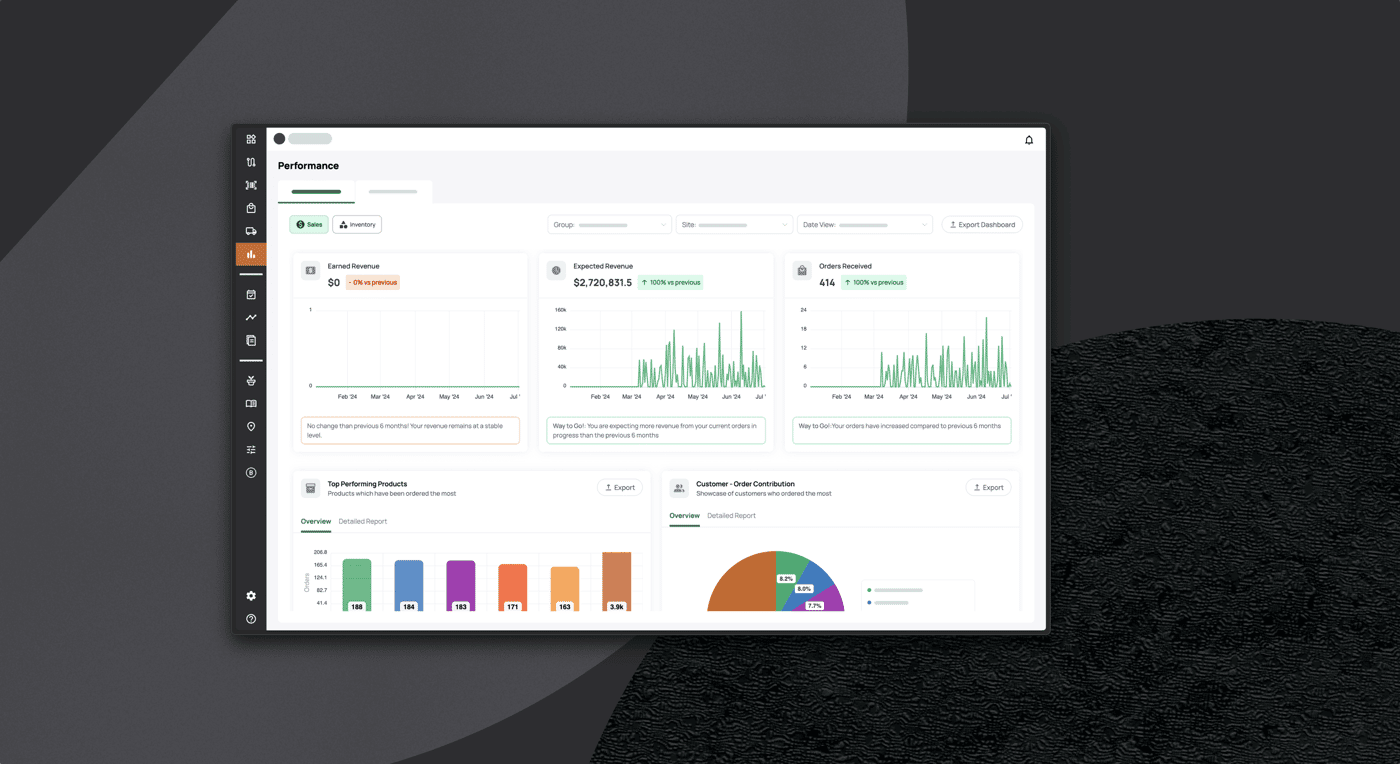
Agritech Platform
A comprehensive Seed-to-Sale Cannabis ERP solution designed to streamline operations for businesses within the cannabis industry. It offers tools for regulatory compliance, sales enhancement, production efficiency, and inventory management. With features like regulatory software integration, dynamic demand alerts, and real-time inventory updates. It’s tailored for cultivators, manufacturers and vertically integrated businesses, promising visibility, control, and streamlined workflows across multiple sites and operations.
UX Audit
Task Flow Optimization
Navigational structure Redesign
Wireframing
Visual Design
The Engagement
Feature Gating Based on Pricing Plans
Plan Definition with Dynamic UI Rendering: Created multiple pricing plans (e.g., Basic, Pro, Enterprise), each offering a distinct set of features / limitations. Adjusted the UI dynamically to show or hide features based on the user’s plan.
Feature Flags: Used feature flags to enable or disable features dynamically based on the user’s plan. This was managed using a centralized feature flagging service.
RBAC (Role-Based Access Control)
Roles and Permissions
Defined roles such as Admin (Tenant Owner), Manager, Team Member and Customer, each with specific permissions. Permissions were managed using a centralized policy engine.
UI Access
Customized interfaces based on user roles, ensuring that users only see and interact with the features relevant to their responsibilities. This was achieved by dynamically rendering components based on the user’s role.
Authentication and Authorization
Implemented using JWT (JSON Web Tokens) and OAuth2 for secure authentication, and fine-grained access control.
Monorepo Structure
Frontend
Two Progressive Web Apps (PWAs) for user interaction, built with Vue and Nuxt for faster development and a better development experience.
Backend
Backend server built with Node.js and Express, leveraging GraphQL for flexible and efficient data querying, enabling more precise and efficient data retrieval.
Shared Component Library
Maintained a shared component library using Vue and Nuxt to promote code reuse, maintain consistency across both PWAs, and speed up the development process by providing pre-built, standardized components.
Server-less Functions
Data-heavy tasks to optimize performance and scalability. These functions handled tasks like data processing, reports, and task automations.
Apollo GraphQL API
Utilized with code generation to ensure type-safe queries and mutations across the frontend, enhancing developer productivity and reducing errors.
Integration
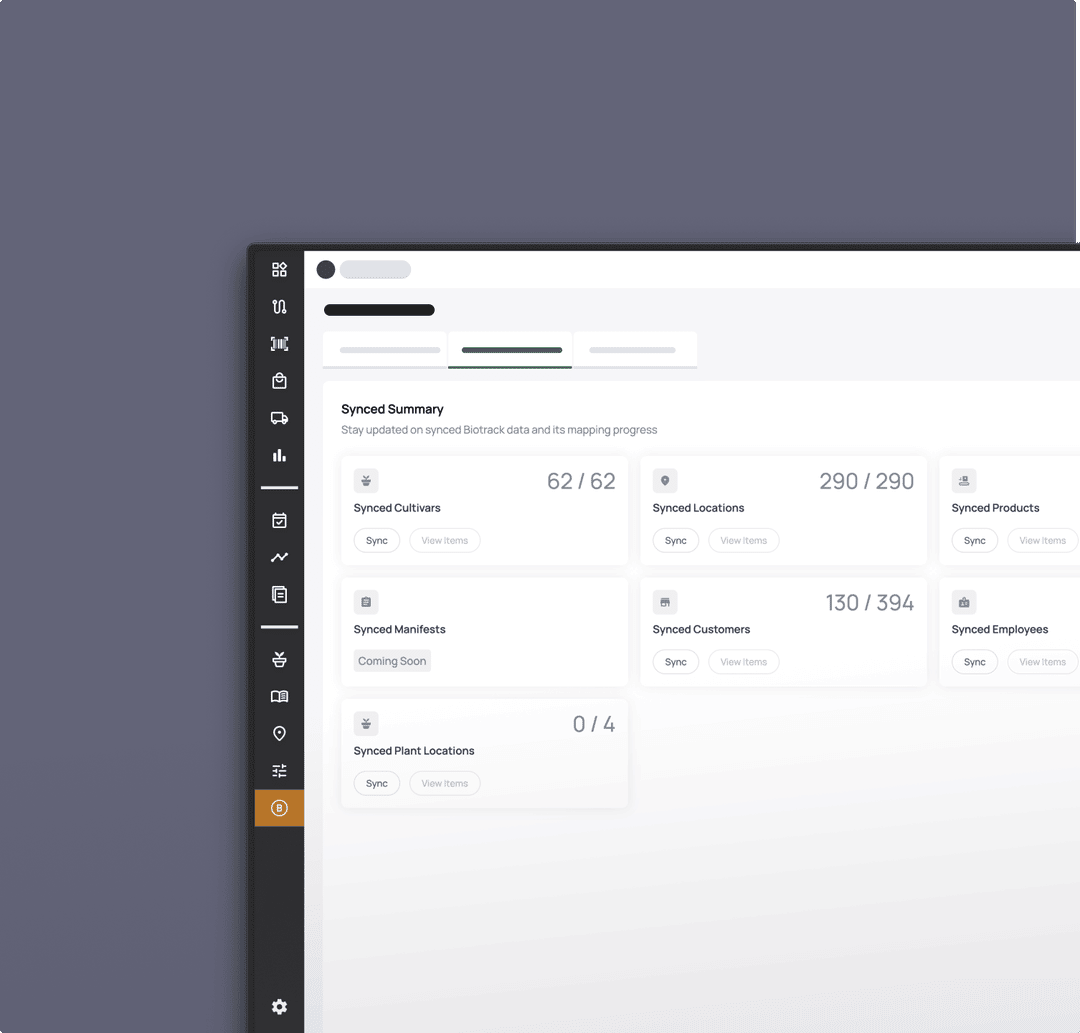
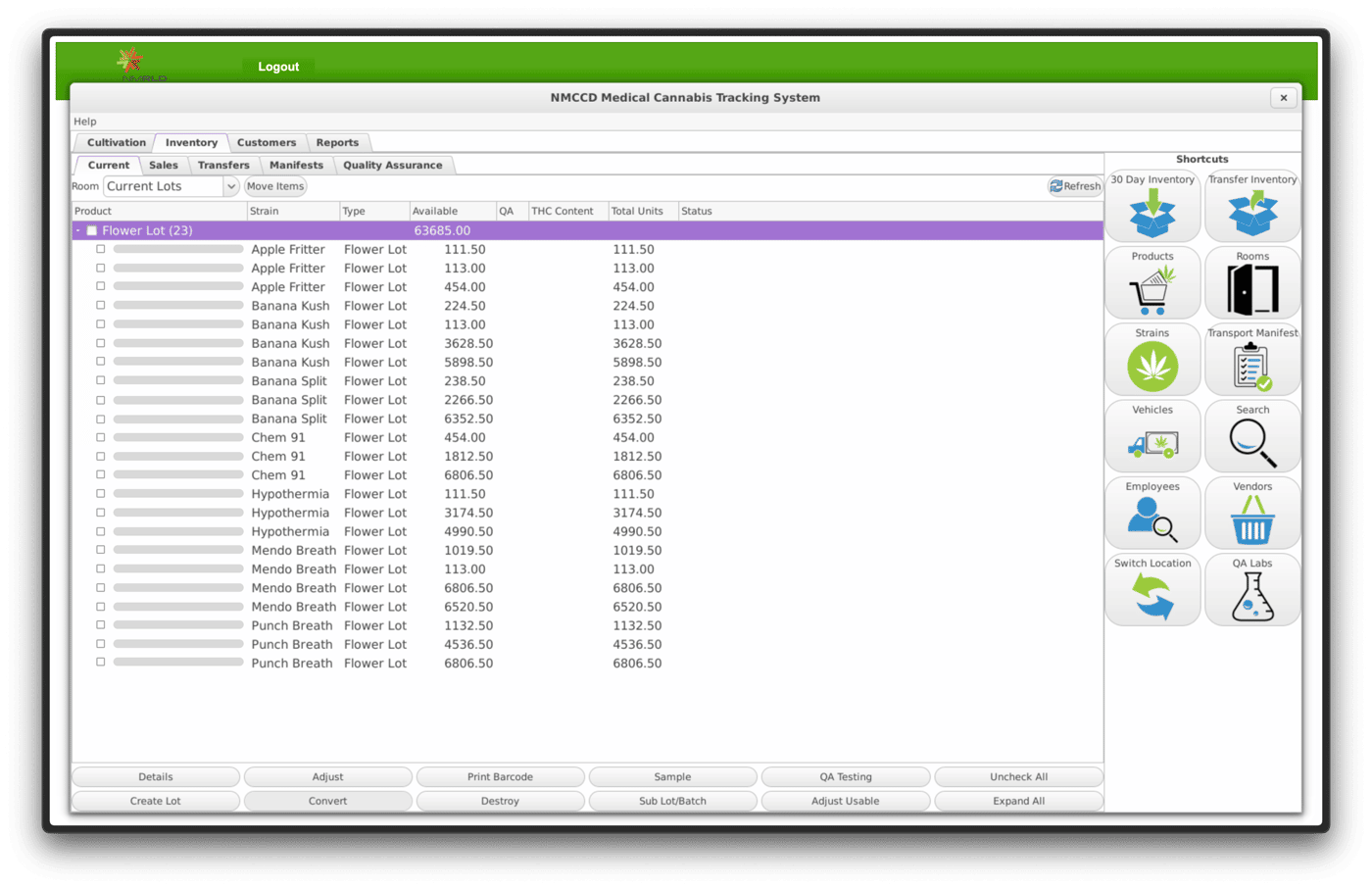
Government Compliant Body
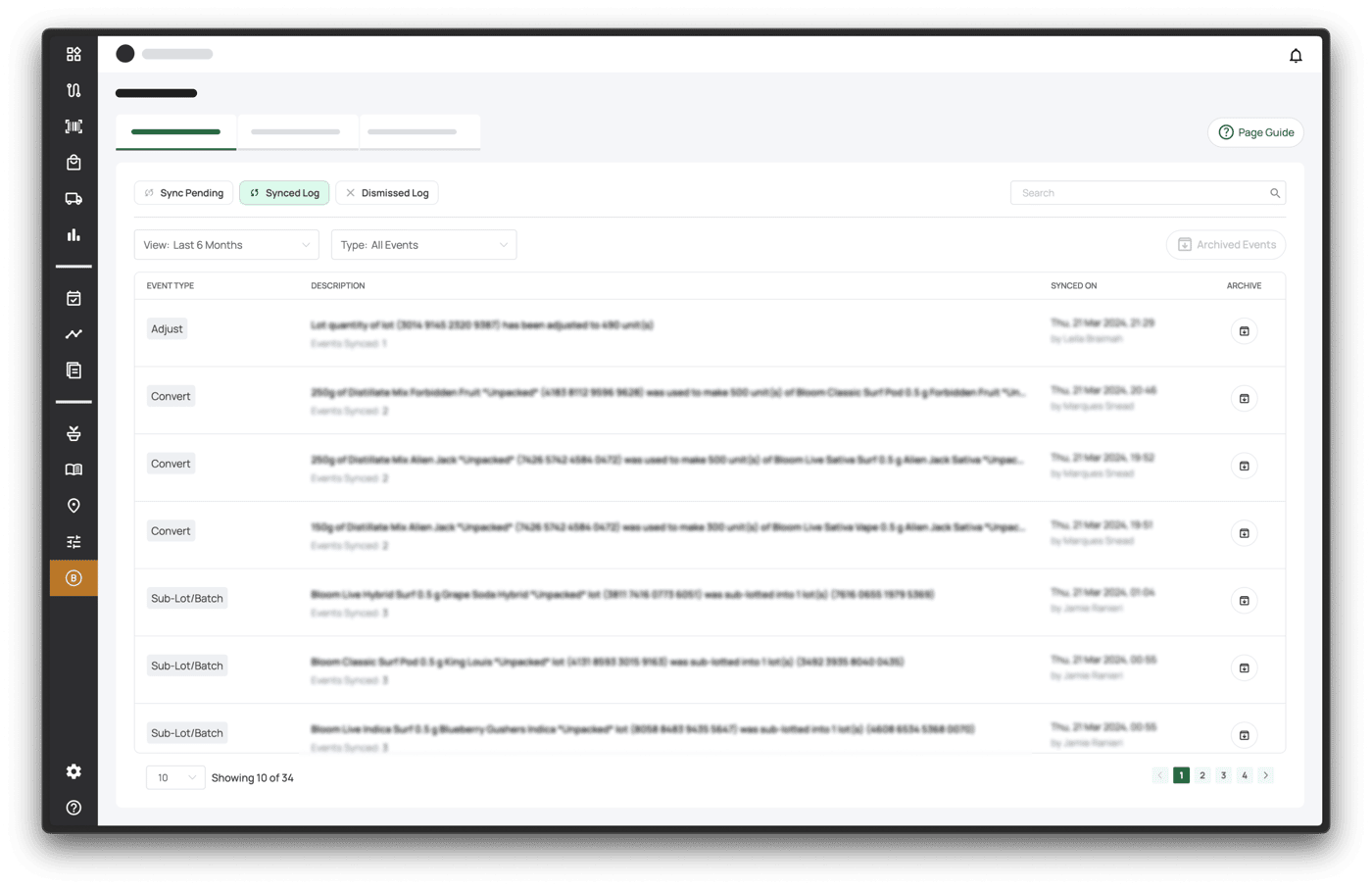
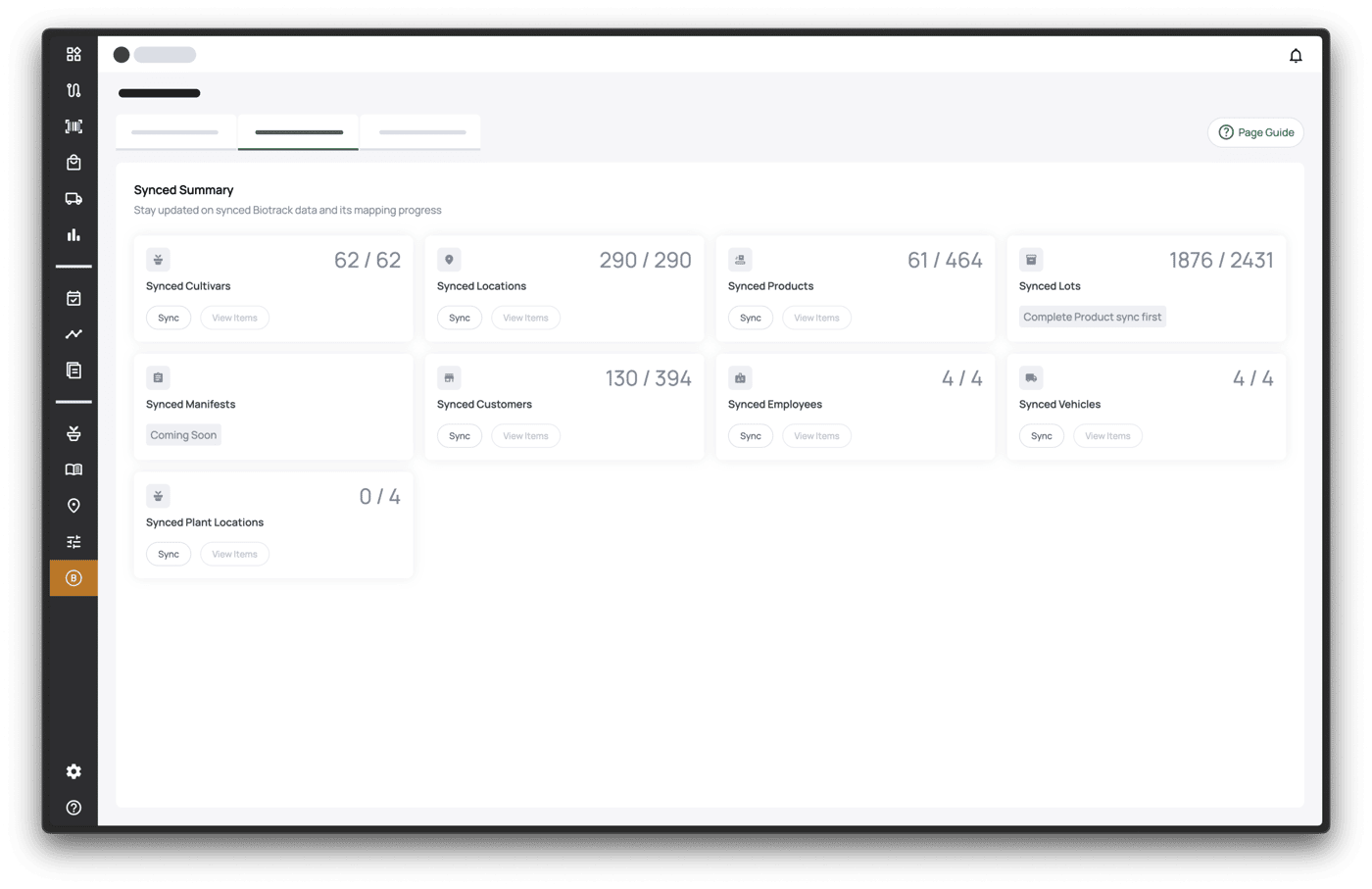
Two-way Integration: Ensured real-time synchronization with the government body, facilitating compliance and inventory management. Implemented using REST APIs to sync data.
Inventory Audit: Automated highlighting of inconsistent data, improving data accuracy and compliance.
Task Dependencies: Implemented a dependency engine to link dependencies between tasks and resolve them once executed. Enabled users to perform multiple tasks, syncing them in a compliant order with the body.
Shipment Provider (On Fleet)
Two-way Integration: Provided seamless tracking of sales order shipments. Integrated using On Fleet’s API, with real-time updates pushed to the frontend using WebSockets.
QuickBooks Integration
CSV Export: Facilitated easy generation of invoices for QuickBooks, streamlining financial operations.
Performance Improvements
Jobs Kanban Board
Two-way Integration: Achieved a 70% faster load time by optimizing database queries, implementing client-side caching, and using service workers for offline capabilities.
Real-time Reports
COGS (Cost of Goods Sold)
Top Performing Products
Sales Report
Inventory Value Average Inventory Age
Others
Multi-Tenancy
Security
Data Isolation: Implemented a secure multi-tenant architecture ensuring no data leakage between tenants. Achieved using a combination of tenant-specific database schemas and logical data isolation in shared databases.
Document Sharing: Used signed URLs expiring after 1 minute for secure document sharing within tenants. Implemented using AWS S3 pre-signed URLs.
Compliance and Labeling
QR Codes Generation and Scanning
Barcodes Generation and Scanning
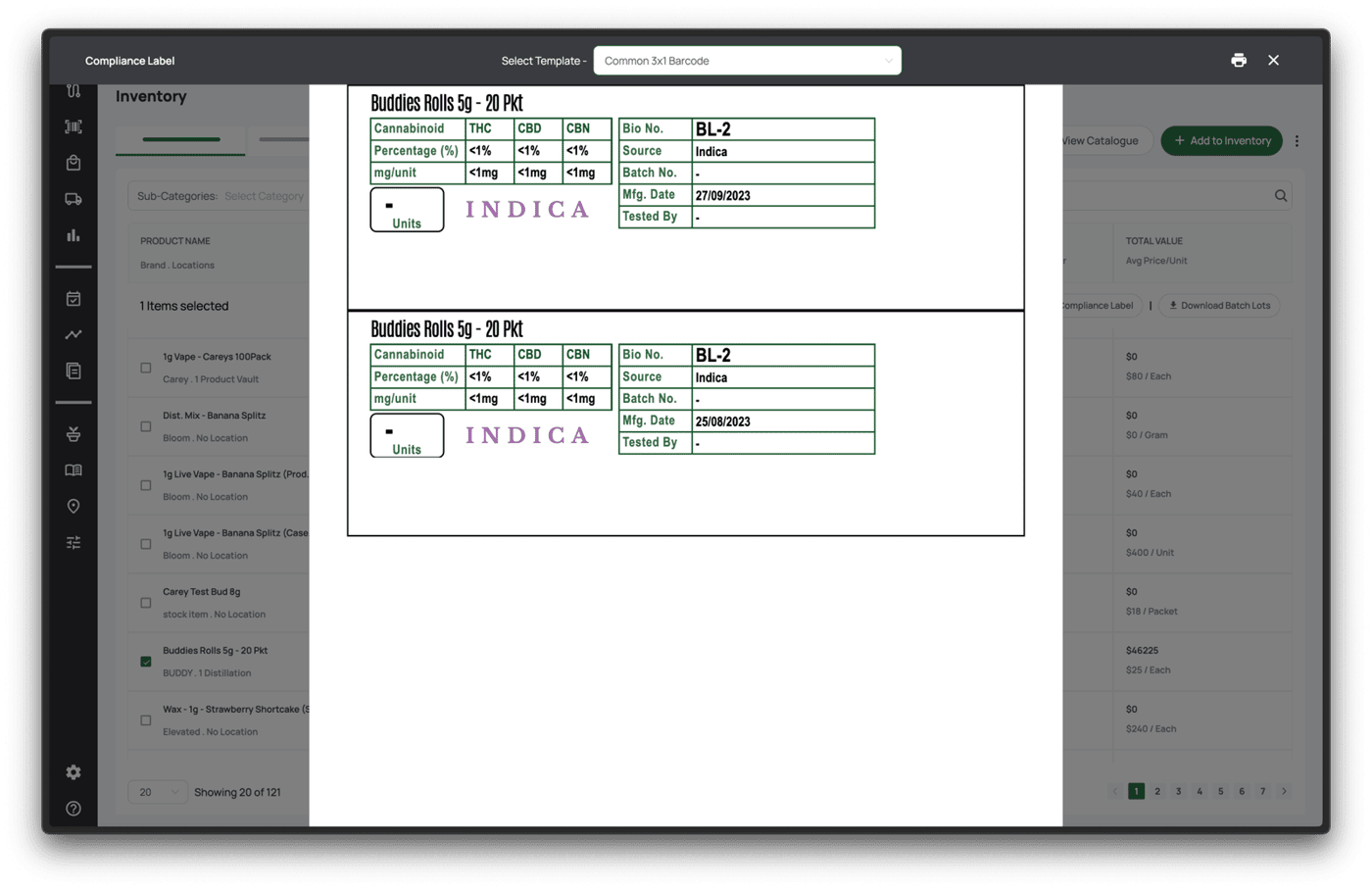
Compliance Labels
Inventory Value, Average Inventory Age
Linked to COA reported by labs
DFS (Drug Fact Sheet)
Source: https://www.copods.co/case-studies/agritech-erp-platform/

