Building Digital Trust with Two-Factor Authentication
Two-factor authentication has become a cornerstone of modern cybersecurity, offering a simple yet highly effective way to protect online accounts. In an era where digital interactions dominate daily life, passwords alone are no longer enough to guarantee safety. Two-factor authentication adds an extra layer of identity verification, ensuring that access is granted only to the rightful user. This is especially important in online environments such as Sell Phone services, where sensitive customer and transaction data must remain fully protected.
Rather than making access complicated, this security method enhances control while maintaining a smooth user experience. It represents a balanced approach where convenience and protection work together.
The Value of a Double Security Layer
The main strength of two-factor authentication lies in its layered structure. Instead of relying on a single password, it requires an additional confirmation step. This ensures that even if login credentials are exposed, unauthorized users cannot easily gain access.
This extra layer creates a more secure digital environment and significantly reduces the chances of account breaches. It adds a sense of reassurance, allowing users to engage with online platforms more confidently.
How the System Works in Practice
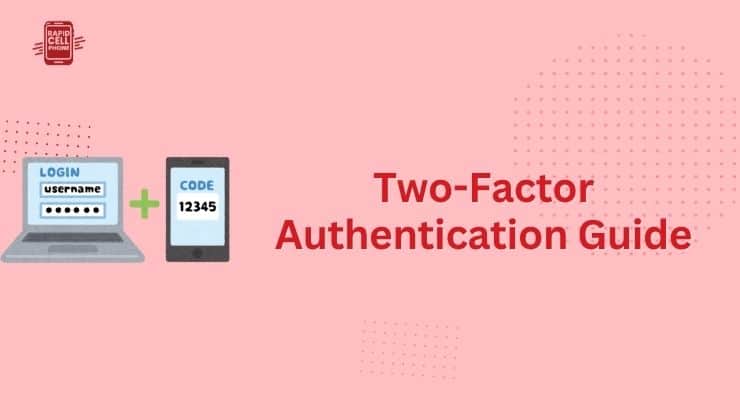
Two-factor authentication works by combining two different forms of verification. The first step is typically a password, while the second step involves confirming identity through another method. This could be a code sent to a mobile device, a prompt from an authentication app, or biometric verification such as fingerprint or facial recognition.
Once the password is entered, the system requests this second confirmation before granting access. This structured process ensures that identity is verified at multiple levels, making unauthorized access extremely difficult.
Popular Authentication Methods
There are several widely used methods for completing the second verification step. SMS-based codes are among the most common, offering quick and simple access to one-time login codes. Authentication apps provide a more secure alternative by generating time-sensitive codes that refresh frequently.
Biometric authentication offers an even more advanced option, using unique physical characteristics for verification. Each method has its own strengths, and users often choose based on their balance of convenience and security needs.
Strengthening Security Beyond Login Protection
While two-factor authentication is powerful on its own, combining it with other security practices enhances its effectiveness. Using strong and unique passwords reduces the risk of initial compromise. Regularly reviewing login activity helps identify any unusual access attempts early.
Backup recovery options are also essential. They ensure that users can regain access if their primary authentication method becomes unavailable. These additional layers create a more complete and resilient security system.
Everyday Use and Practical Importance
In daily use, two-factor authentication quickly becomes a routine part of logging in. Although it adds an extra step, the process is usually fast and seamless. Over time, users become accustomed to it, treating it as a normal part of digital life.
This method is especially valuable for accounts involving financial information, business operations, or services like Sell Phone platforms. It ensures that sensitive data remains protected even as cyber threats become more advanced.
Conclusion: A Simple Step Toward Stronger Protection
Two-factor authentication offers a practical and highly effective way to improve digital security. By requiring a second layer of verification, it greatly reduces the risk of unauthorized access while maintaining ease of use.
As digital systems continue to expand, adopting stronger security measures becomes increasingly important. Two-factor authentication provides a reliable foundation for safer online experiences, helping users protect their accounts and interact with confidence in both personal and professional environments.

