From Our Desks: Newsletter
R&D
A weekly tell-all from the people behind Indie Hackers. This week, we talk newsletter feedback, AI replacing jobs, Fartcoin, and more.
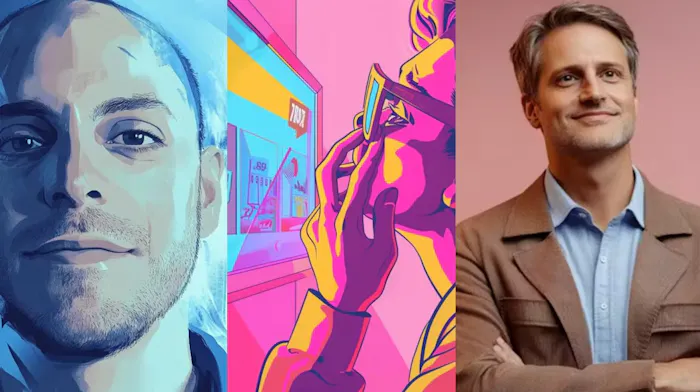
Welcome to From Our Desks, where the people behind Indie Hackers share the stories behind the headlines. This week, we talk newsletter feedback, AI replacing jobs, Fartcoin, and more.
@jayavery (Jay Avery, newsletter editor):
If you're subscribed to the Indie Hackers newsletter (which, if you aren't, what are you waiting for! 😆), you know that there have been lots of changes over the past two months or so. We went from three issues a week to five, from mostly evergreen content to news, from longer pieces to condensed ones... and those are just some of the high-level changes. Formatting, style, aesthetics, and even the time of day the newsletter goes out are all elements that require close consideration. Every issue is the result of hundreds of decisions made, both big and small.
I've been editing the newsletter for nearly four years now, and this isn't the first time we've implemented changes. But our transition to news has been, by far, the biggest. Here's something I've realized, though: Spending the past couple years reading and editing countless founder stories for the newsletter has taught me a lot about creating something amazing that lasts. Iterate constantly. Don't be afraid to change something that isn't working. Ask for feedback from your audience. Be thorough and rigorous in assessing and improving what you've created.
This week, we asked you all for feedback on the newsletter, and boy, have we gotten it! Much appreciated. It's great to hear what's working for you and what isn't!
@krhignett (Katie Hignett, journalist):
Mostly I don’t worry about AI taking my job. But that doesn’t mean I shouldn’t. I was genuinely shocked to find out this week that fintech firm Klarna (ubiquitous in European e-commerce and growing fast in the U.S.) has reduced its headcount by 1,000 this year because AI can do pretty much everything.
I think (/hope) it will be a while before AI can write convincingly, and even longer before it can do the other jobs a journalist performs — interviewing, cultivating sources, investigating, etc. But if a major fintech firm can cut that much of its staff while still growing, I should probably stop underestimating how much of an impact AI will have on the jobs market.
@StephenFlanders (Stephen Flanders, journalist):
People are just people. It seems like a basic fact, but two stories this week re-drilled it into my brain.
The first is the sudden wave of toxicity on the supposedly toxic-free Bluesky, including a scary situation involving a controversial writer. I don’t really know why people thought Bluesky would be any different from X. It’s not like pre-Elon X was all sunshine and rainbows. When you throw a bunch of people on the internet in a room together, chaos ensues. That’s just the way it is.
The second is the memecoin “Fartcoin” hitting a billion-dollar market cap. Yes, you read that right. This stunning financial success is driving a certain kind of boomer absolutely crazy. But, again, what did they expect? People like to buy stupid stuff if they think it will make them money. Just look at GameStop.
At the end of the day, people are going to people.
@zerotousers (Darko Gjorgjievski, journalist):
LLM models are getting commoditized. This story is just another "proof" that we've (probably) reached a plateau in what AI can (currently) do. Now the battle is to make things cheap/affordable for everyone.
Another interesting thing I've noticed this week is how Bluesky is getting quite aggressive in copying X/Twitter. There's also an insight here for us, IHers: To copy someone, try copying their initial design (from years ago) first. There are a group of people who are probably still nostalgic about "how things were" and are more willing to switch if they find you are "X, but from Y years ago."
@IndieJames (James Fleischmann, journalist):
This week, I interviewed three founders at various stages of their indie hacking journeys, from $10k MRR all the way up to a recent $32.5M exit.
All three niched down on one industry. And all three soon realized that they needed to expand into more lucrative markets.
If you aren’t already intimately aware of your market, it pays to do the research up front. But even then, you won’t get it right every time.
Be ready — and willing — to pivot when a better market presents itself. Then be quick about it. Moving quickly and pivoting often are indie hacking superpowers.
@Michal_kanka (Michal Kankowski, journalist):
This week’s been a whirlwind. Christmas preparations, lots of animals and nature, and articles from various topics. I love into how indie hackers are flexing their parenthood on X and LinkedIn bios. I'm happy to see the work-life balance is becoming about the true balance.
Then there’s remote work and how much people love it — freedom, global talent, no office drama. Sure, loneliness and burnout creep in, but hey, every problem’s just a product idea waiting to happen.
Also tackled some big consumer shifts — turns out 68% of people hate dynamic pricing (not surprising). Simple, steady pricing is the way to go if you want trust and loyal customers. And AI-powered reading? Imagine books that chat back or quiz you. This space is begging for innovation, and the market is hungry for solutions.


