Can Solar Panels Deliver True Energy Freedom?
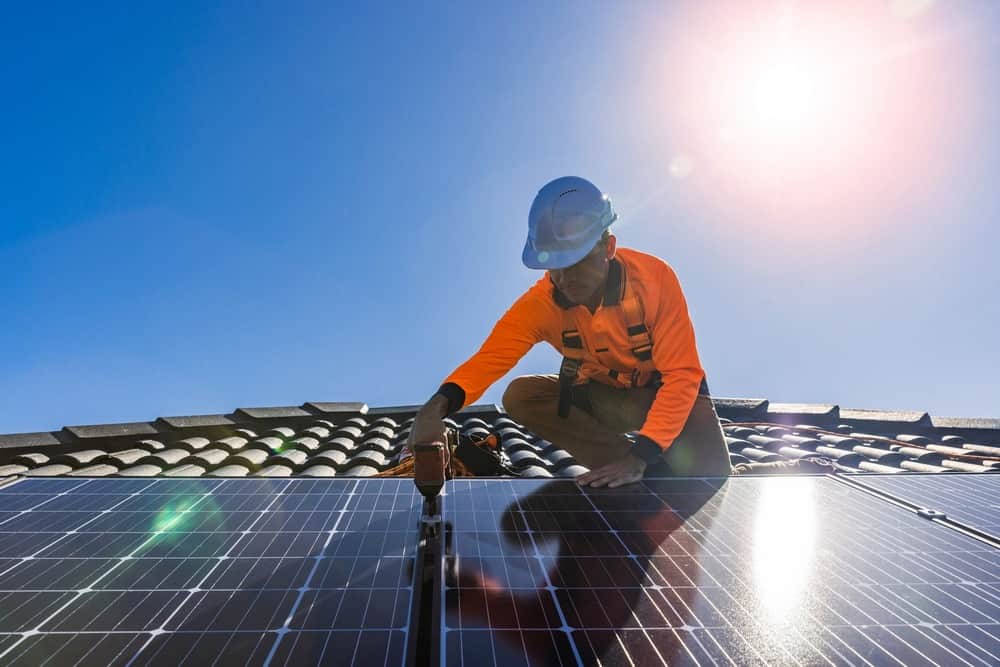
As energy bills continue to soar and power outages become more frequent, many homeowners are questioning their dependence on traditional power grids. What if there was a way to break free from rising costs and unreliable service while contributing to a sustainable future? Enter the concept of energy freedom - the ability to generate, store, and manage your own power supply independently. Solar panels have emerged as a promising pathway to this autonomy, offering both environmental benefits and potential financial independence. But can these sun-powered systems truly deliver the energy freedom that homeowners seek? This article examines the real potential of solar panels, exploring their technology, costs, benefits, and practical steps to achieve genuine energy independence. We'll separate fact from fiction to help you understand if solar power can transform your home into a self-sufficient energy hub.
Decoding Solar Panels: Technology and Types Explained
Solar panels harness the power of photovoltaic technology, converting sunlight directly into electricity through a fascinating process. At their core, solar panels consist of multiple photovoltaic cells made from silicon semiconductors. When sunlight strikes these cells, it excites electrons, creating an electric current. This direct current (DC) flows to an inverter, which transforms it into alternating current (AC) suitable for powering homes and appliances. The entire system relies on sophisticated mounting hardware that optimizes sun exposure while protecting the panels from environmental elements.
Modern solar panels come in three primary varieties, each offering distinct advantages. Monocrystalline panels, crafted from single silicon crystals, boast the highest efficiency rates of 15-22% and excel in limited space installations. Their darker appearance and superior performance make them ideal for residential applications, though they command premium prices. Polycrystalline panels, made from multiple silicon fragments, achieve 13-17% efficiency and provide a cost-effective alternative with their distinctive blue hue. Thin-film panels, while less efficient at 10-12%, offer remarkable flexibility and perform well in high-temperature conditions.
Today's solar panels demonstrate impressive durability, typically lasting 25-30 years with minimal degradation. Premium panels maintain 85% of their original output even after 25 years, protected by tempered glass and weather-resistant materials. Their resilience against hail, wind, and temperature extremes ensures reliable performance across diverse climate conditions, making them a dependable long-term investment for energy independence.
Breaking Down Solar Panel Costs and Financial Incentives
Understanding the true cost of solar panel systems requires examining multiple components beyond just the panels themselves. A complete residential solar installation typically includes panels, inverters, mounting hardware, and professional labor costs. While initial investments range significantly based on system size and location, homeowners can expect installation costs to comprise about 35% of the total investment. Permit fees and electrical work add necessary but often overlooked expenses to the equation. Regular maintenance costs remain minimal, usually involving annual professional inspections and occasional cleaning.
The federal government currently offers a substantial 30% tax credit on the total system cost, significantly reducing the initial investment burden. Many states provide additional incentives, including property tax exemptions, performance-based incentives, and sales tax exemptions on solar equipment. Some utility companies offer rebates or performance payments for solar energy production, creating additional savings opportunities. Solar renewable energy certificates (SRECs) allow homeowners in certain states to earn income by selling environmental credits generated by their systems.
Most homeowners achieve complete return on investment within 5-8 years through reduced electricity bills and incentive programs. Financing options have evolved to make solar more accessible, including solar loans with competitive interest rates, power purchase agreements (PPAs), and lease arrangements that require little to no money down. When compared to projected increases in traditional electricity rates, solar installations typically generate substantial long-term savings, with many systems paying for themselves multiple times over during their operational lifetime.
Solar Power Benefits: Beyond Savings to Energy Sovereignty
Solar power systems deliver substantial environmental benefits, typically reducing a household's carbon footprint by 3-4 tons annually – equivalent to planting 100 trees. This environmental impact extends beyond individual homes, as widespread solar adoption has already prevented millions of metric tons of carbon emissions across the country. During grid outages, solar installations equipped with battery storage provide crucial power independence, maintaining essential services when traditional power sources fail. Recent case studies in California show that homes with solar-plus-storage systems maintained power through 95% of planned outages, while their neighbors experienced complete blackouts.
Overcoming Grid Dependency Challenges
Net metering serves as a crucial bridge between solar independence and grid reliability, allowing homeowners to earn credits for excess energy production during sunny periods and draw from the grid when needed. However, grid-tied systems without battery backup still face limitations during power outages, as they must shut down for safety reasons. Modern battery systems like EcoFlow's energy storage solutions overcome this challenge by providing seamless power switching during outages and storing excess energy for nighttime use. The latest lithium-ion batteries offer 10-15 years of reliable service, with smart management systems that optimize charging cycles and extend battery life. When planning for future needs, homeowners should consider initial oversizing of inverters and panel mounting infrastructure, allowing for easy expansion as energy demands grow or electric vehicles enter the picture.
Your Roadmap to Solar Energy Freedom
Achieving true energy independence begins with a comprehensive energy audit to understand your household's consumption patterns and peak usage times. Professional auditors analyze historical utility bills, identify energy-intensive appliances, and recommend efficiency improvements that can reduce your overall power needs. The site assessment phase evaluates your property's solar potential through roof orientation, structural integrity, and shading analysis. Modern solar design software creates detailed 3D models to determine optimal panel placement and expected energy production throughout the year.
Long-Term Independence Maintenance
Maintaining solar independence requires regular system monitoring and preventive care. Monthly panel cleaning removes dust and debris that can reduce efficiency, while quarterly visual inspections check for potential damage or loose connections. Smart monitoring systems track real-time performance metrics, alerting homeowners to any significant drops in production. Battery systems need annual professional checkups to verify charge cycles and cell health. Component upgrades should follow a planned schedule, with inverters typically requiring replacement after 10-12 years. When issues arise, working with certified repair technicians ensures warranty protection and optimal system performance. Creating a maintenance calendar and budget helps prevent unexpected disruptions to your energy independence.
Achieving Sustainable Energy Independence
Solar panels represent a transformative technology that can indeed deliver meaningful energy freedom when properly implemented. The combination of advanced photovoltaic technology, decreasing installation costs, and robust financial incentives has made solar power increasingly accessible to homeowners. While complete grid independence may require additional investments in battery storage systems, modern solar installations offer substantial autonomy and resilience against power disruptions. The environmental benefits and potential for significant long-term savings make solar a compelling option for those seeking energy sovereignty. The path to solar independence requires careful planning, from initial energy audits to ongoing system maintenance, but the technology has proven its reliability and effectiveness. For homeowners considering this transition, the first step is scheduling a professional site assessment to evaluate your property's solar potential and develop a customized energy independence strategy. With proper planning and implementation, solar panels can deliver the energy freedom that many households desire while contributing to a more sustainable future.


Pairing panels with a decent battery has been the biggest upgrade for me, since it smooths out cloudy days and outages. I also bounced between suppliers before settling on one that kept costs predictable; octopus-referral-code.co.uk gave me an easy switch and a bit of bill relief, which made the whole solar setup feel more sustainable. The tech gets you part of the way, but the right tariff fills the gaps.