Carving out a $1M+/yr niche out of the Microsoft ecosystem
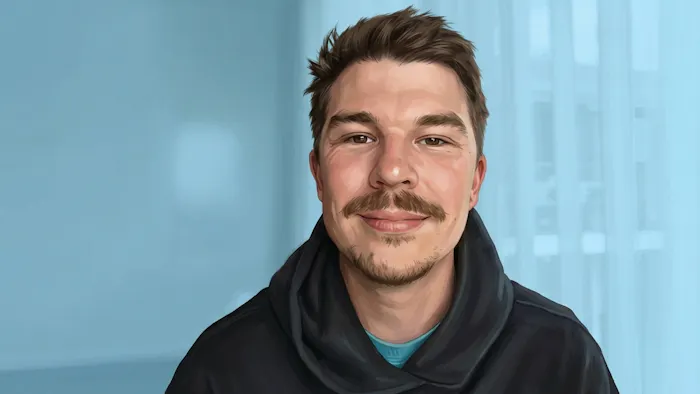
Thomas Mahony got a job that gave him the experience he needed to spot a niche problem and build a solution. Now, Pckgr is bringing in over $1M ARR with a small team.
Here's Thomas on how he did it. 👇
An unexpected path
I started working at a small managed service provider with five employees back in 2017. I started on the help desk and slowly built my knowledge on all things IT, from hardware to networking. After that, I worked at a consulting firm in Melbourne, mainly with Microsoft Intune. A massive consulting company called Capgemini then purchased the firm. I worked on some really big projects for clients at Capgemini, and that led to what I do today.
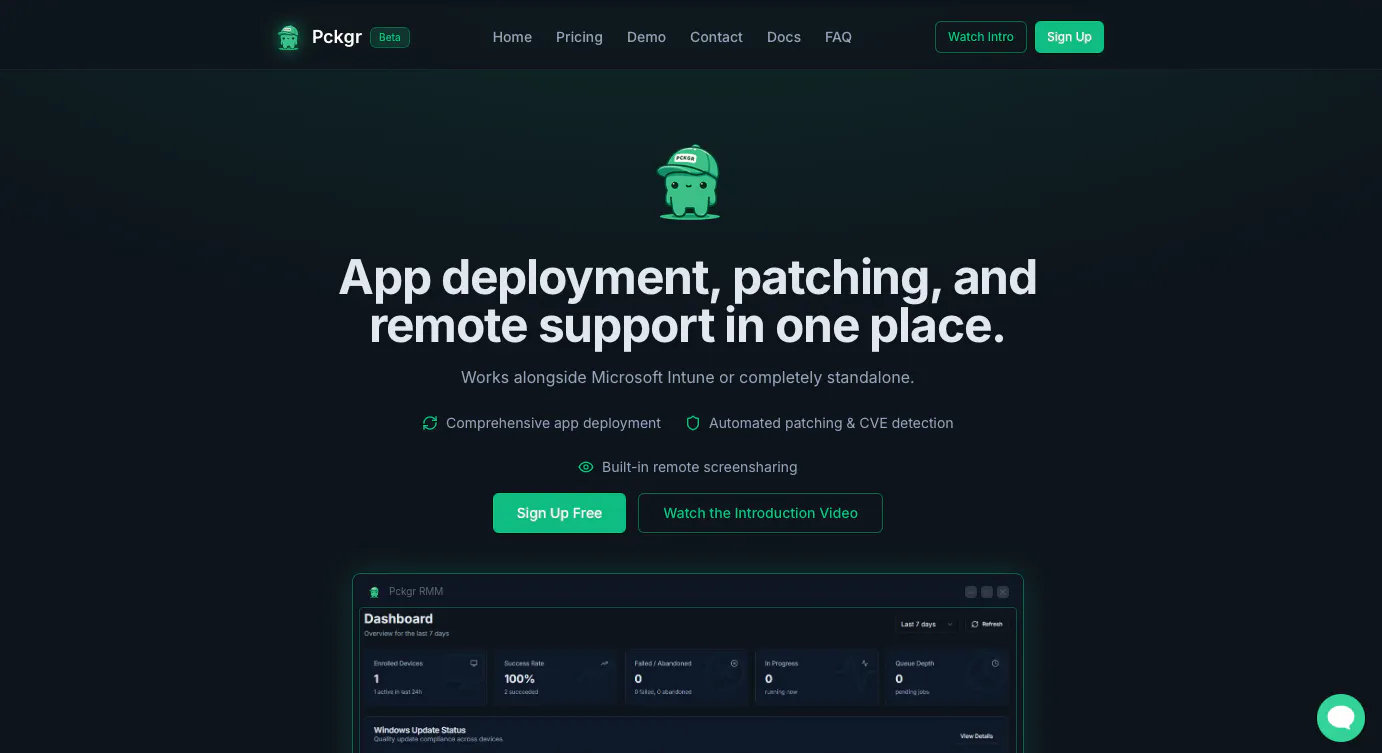
I am the founder of a company called Pckgr. We are a web-based SaaS located in Melbourne. Pckgr primarily helps IT Admins automate software and update packaging for their devices. Our customers range from under 100 devices to over 100,000 devices.
I started Pckgr because it solved a pain point I had experienced. Microsoft Intune features software deployment to your devices. I couldn't believe how much effort packaging an Intune-ready application required. Looking online for answers led me to forums where many people were in the same boat. Existing market solutions were too expensive for smaller businesses.
In other words, I spotted a niche where I could create a modern browser-based app deployment tool, keeping features and scope minimal for solo management.
So, I built it as a simple point-and-click tool that automatically packaged Intune-ready applications. For example, want Google Chrome deployed? Sign up for Pckgr, connect to Intune, then select Chrome and deploy. That's it.
We're currently over $1M ARR.
Bootstrapping a side project
I built most of the original product myself while Pckgr was still a side project. This was before AI tools like Claude Code and Cursor were available, so I completed much of the development and troubleshooting manually.
The business was fully bootstrapped, so I carefully managed costs, keeping the product as simple as possible and spending most nights working on the build. Luckily, SaaS startups can start extremely cheaply. Many services offer generous free tiers, helping to build with minimal overhead costs. This allowed the platform to scale while keeping it bootstrapped.
Pckgr uses a combination of no-code tools, cloud infrastructure, and custom automation.
Bubble for the application's front-end, which handles the user interface and custom front-end logic
GitHub Actions for application packaging and testing
Microsoft Azure for our back-end infrastructure, including serverless functions, storage, and the services that communicate with Microsoft Graph and our customers’ Intune environments.
My existing experience with Microsoft Intune was essential; I already understood the packaging process, the common failure points, and what IT administrators would expect from the finished product.
The main challenge I faced was building hundreds of application packages for deployment. I had to learn many fringe cases when dealing with Windows applications.
From free to recurring
I initially launched Pckgr completely free so I could attract early users and learn how the product performed in real environments. I think that's the best way to do it. Then, after resolving the most important early bugs and improving the platform based on user feedback, we introduced a subscription priced at $25 per month. That's when I went full-time on the product.
The recurring model works well because application management is not a one-off task; software must continually be deployed, updated, replaced, and maintained.
The first paying customer validated our product, demonstrating that the problem was significant enough for someone to pay to solve. As the product matured and delivered more value, we expanded the available plans and adjusted pricing to better reflect the capabilities of the platform. We now have four tiers: Starter, Pro, Business, and Custom. And increasing our prices played a significant role in our growth.
Our customers range from smaller IT teams managing their own environments to managed service providers supporting multiple client organizations.
Reddit and partnerships
Once we had a working minimum viable product, we launched Pckgr for free in subreddits and Facebook groups where Microsoft Intune administrators were already discussing application packaging and deployment. That gave us immediate access to a highly relevant audience and helped us validate whether the problem was important enough for people to try a new solution.
After the initial Reddit launch, we used our marketing budget to contact Microsoft MVPs (independent technology experts in the Microsoft ecosystem) to demo the product. Partnering with these specialists proved to be one of our most effective growth channels.
They already had trusted audiences in the Intune community, so we asked them to demo the product on YouTube. This worked well because the audience was highly targeted, and the content continued attracting customers long after it was first published. A useful YouTube demo can still generate sign-ups years later, which gives it a much longer return than a short-lived advertising campaign.
Removing roadblocks
I hit so many roadblocks. I was frequently sure that there was no way forward. The worst was when I was getting close to launching. Microsoft announced that it would release its own similar platform. I lost a ton of motivation and almost abandoned the idea of releasing.
But whenever I hit a roadblock, I'd go to sleep, wake up the next day with an idea, and keep going.
Staying motivated is important as an indie hacker.
Originality and passion
It's hard to give advice because it's much different now than when I started, and honestly, a bit scarier. With Claude Code and other AI solutions, the barrier to entry feels incredibly low. That means competition is increasing.
But the flipside of that is that it's also easier than ever for you to build an MVP to test an idea. So do that.
And make sure it's something unique that you are passionate about.

Leave a Comment
Microsoft announcing a competing platform was the useful stress test: Pckgr survived because it encoded the ugly Intune packaging edge cases, not because Microsoft lacked features. The stronger moat is the maintained application-package corpus plus the trust of admins managing real fleets. I'd track how many support incidents each newly automated package removes; that turns niche expertise into a measurable product asset.
Really interesting example of how a focused niche can still turn into a serious business. I like the point that you do not always need to chase a massive market if the problem is specific, painful, and recurring. Building around an existing ecosystem like Microsoft also makes sense because the users already have clear workflows, budgets, and reasons to pay for a better solution.
You didn't just build a product, you solved a problem you had experienced yourself and understood deeply. Well done, congrats!
you really nail it
Carving out a $1M+/yr niche in the Microsoft ecosystem requires identifying a specific underserved market and solving its most valuable problems.
By combining Microsoft technologies with specialised services, businesses can build recurring revenue and scale within a focused niche.
The part that stood out most was almost quitting when Microsoft announced a competing product—but shipping anyway. That's a reminder that execution and understanding your users matter more than fear. Inspiring journey!
Wow, that's like finding a needle in the haystack.
What's the task you keep putting off the longest?
Finding a small problem that people deal with every day can be more valuable than chasing a big idea.
What's the task you keep putting off the longest?
The niche specificity here is the real moat, Intune packaging is a problem specific enough that anyone searching for a solution is already pre-qualified as a buyer, which is why Reddit and YouTube demos in that exact community worked when broader marketing probably wouldn't have.
What's the task you keep putting off the longest?
I wish you all the best, and it's great that you've saved other people time. It's wonderful that you're doing something you love.
What's the task you keep putting off the longest?
If Pckgr saves an IT admin even a few hours each month and reduces deployment mistakes, the subscription fee is clearly valuable.
This gives me motivation to continue my own projects, thank you for sharing!
Congrats on the $1M+ ARR milestone, Thomas! This is a masterclass in carving out a highly profitable B2B niche.
The marketing channel you leveraged—partnering with Intune specialists to demo Pckgr on YouTube—is an underappreciated hack. In B2B, a trusted recommendation from a niche expert is worth 100x more than generic paid ads.
I’m currently bootstrapping qrbrand.cc (custom branded QR codes), and we are looking for similar "niche multipliers" (like print designers, packaging agencies, and retail consultants).
When you first approached these Intune specialists, how did you pitch the collaboration? Did you offer them a paid sponsorship/affiliate commission, or did they review it simply because it solved a huge headache for their community?
Thanks for sharing your journey!
What's the task you keep putting off the longest?
For me, the tasks sitting in my 'Next Steps' that I keep putting off the longest are all marketing and outreach-related:
Sending a cold pitch with a custom mockup to a potential packaging partner on Instagram.
Engaging and commenting in English-speaking Facebook Groups to build karma and trust.
Executing my daily $0 lead-gen playbook on X (Twitter), LinkedIn, and Instagram.
Why do we put these off the longest? It’s the classic developer-turned-founder trap. Writing code and optimizing systems is a safe haven. It's binary: it either works or it doesn't, and we are in absolute control.
Outreach, on the other hand, forces us out into the open. It means facing ambiguity, radio silence, and direct rejection. It’s incredibly easy to 'hide' behind refactoring and database optimization to feel productive, while avoiding the hardest but most crucial task: selling.
That's a sharp read the 'safe haven in code' trap is real. Out of those three, the daily lead-gen execution across platforms seems like the one that's most mechanical once the playbook is defined you set the rules once, then it's just consistent execution, not judgment calls. That's actually closer to what I'm building with TaskRelay. Would you ever hand off the daily grind part of outreach (not the strategy, just the doing) if it meant it actually got done consistently?"
brilliantly executed, especially the part where you partnered with your ideal audience to demo the product on YouTube.
praying for this bro
" That means competition is increasing". It's true, so as an independent developer, how should we address this challenge?
What's the task you keep putting off the longest?
The "existing solutions were too expensive for smaller businesses" line is the part that stands out to me. I hit something similar building a Chrome extension for YouTube analytics: the established players are solid but built for a broader audience and priced for a channel further along than a pre-monetization creator actually is. Scoping down to exactly the diagnosis a smaller channel needs, and pricing accordingly, ended up being the whole differentiator. Sounds like the same pattern here versus the enterprise Intune tooling.
I ran one of Microsoft's largest MSPs for almost 20 years, and the packaging pain Thomas describes is real: every Intune admin I knew treated app packaging as a tax on their week. The lesson worth stealing is that Microsoft announcing a competing feature is rarely fatal, since they build for the 80% case and leave the painful 20% to companies like Pckgr. Niches inside giant ecosystems are some of the most durable businesses I've seen.
What's the task you keep putting off the longest?
that is really something new and interesting I heard this week loved that !
What's the task you keep putting off the longest?