Choosing Between 5D and 7D Cinema Systems for Your Business
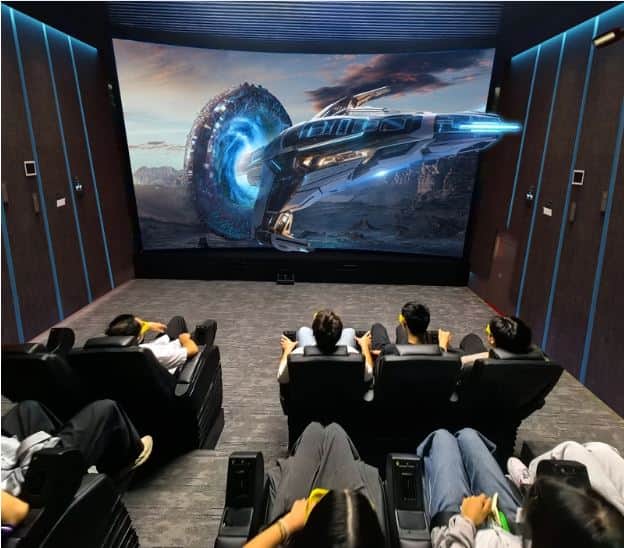
The entertainment industry continues to evolve as customers seek more immersive and interactive experiences. Traditional movie theaters are no longer enough to capture the attention of audiences who crave excitement beyond the screen. This growing demand has made immersive cinema technology one of the fastest-growing attractions in shopping malls, amusement parks, family entertainment centers, museums, and tourist destinations.
Among the most popular options are 5D cinema and 7D cinema systems. While both deliver an engaging experience through motion seats and special effects, they differ in terms of interactivity, investment cost, and target audience. Understanding these differences is essential before making a business decision.
In this guide, we'll compare both technologies, discuss their advantages, and help you determine which system best fits your business goals.
Understanding Immersive Cinema Technology
Immersive cinema combines high-quality visual content with synchronized physical effects that allow viewers to feel like they are part of the movie. Instead of simply watching a film, guests experience moving seats, environmental effects, and realistic sensations that create unforgettable entertainment.
These attractions have become increasingly popular because they encourage repeat visits, generate positive word-of-mouth marketing, and offer a premium experience that customers cannot enjoy at home.
Business owners often choose immersive cinema systems because they:
● Increase visitor engagement
● Generate additional revenue
● Require relatively small operating spaces
● Appeal to customers of all ages
● Complement existing attractions
What Is a 5D Cinema?
A 5D cinema combines 3D visual technology with motion simulation and environmental effects to create a realistic viewing experience.
Instead of sitting in fixed chairs, audiences enjoy synchronized motion seats that move according to the action on screen. Additional effects such as wind, rain, snow, bubbles, fog, lightning, vibration, leg ticklers, and scent systems further enhance the realism.
The experience makes viewers feel like they are racing through cities, flying over mountains, diving underwater, or escaping dangerous creatures.
Main Features of 5D Cinema
● Dynamic motion platform
● High-definition 3D projection
● Wind effects
● Water spray
● Snow and bubble effects
● Seat vibration
● Air blasts
● Environmental lighting
● Multi-channel surround sound
Because of its balance between affordability and entertainment value, 5D cinema has become one of the most widely installed immersive attractions worldwide.
What Is a 7D Cinema?
A 7d cinema takes immersive entertainment one step further by introducing interactive gameplay.
In addition to motion seats and environmental effects, visitors receive laser guns or interactive controllers that allow them to participate in the movie. Instead of passively watching the story unfold, audiences shoot zombies, aliens, monsters, robots, or other virtual targets while competing for high scores.
Interactive scoring systems make each session unique because every player influences the outcome through their actions.
Features of 7D Cinema
● Everything included in 5D systems
● Interactive shooting equipment
● Real-time score tracking
● Multiplayer competition
● Interactive game software
● Animated targets
● Higher audience participation
● Enhanced replay value
This level of interaction transforms the attraction into both a movie and a game.
Major Differences Between 5D and 7D Cinema
Although the two systems share many similarities, several important differences can influence your investment decision.
Level of Interaction
The biggest distinction is audience participation.
5D cinema focuses on storytelling and sensory effects. Guests simply enjoy the movie while experiencing synchronized movement and environmental effects.
7D cinema allows players to actively participate by shooting virtual targets throughout the experience.
Customer Engagement
While both attractions are exciting, 7D cinema generally keeps visitors more engaged because they become part of the action.
Interactive gameplay encourages repeat visits as guests attempt to beat their previous scores or compete with friends.
Installation Cost
Because of additional hardware, software, laser guns, and scoring systems, 7D cinema usually requires a larger investment than 5D cinema.
Businesses with limited budgets often begin with 5D systems before upgrading later.
Maintenance Requirements
Interactive equipment in 7D systems requires more frequent maintenance.
Laser guns, tracking sensors, and gaming software must remain properly calibrated to deliver smooth gameplay.
5D cinema systems generally involve simpler maintenance routines.
Which Businesses Benefit Most from 5D Cinema?
5D cinema works well for businesses looking to provide immersive entertainment without the complexity of interactive gaming.
Ideal locations include:
● Shopping malls
● Museums
● Science centers
● Theme parks
● Tourist attractions
● Educational centers
● Hotels
● Cruise ships
● Family entertainment centers
Its relatively lower investment makes it attractive for businesses entering the immersive entertainment market.
Which Businesses Should Choose 7D Cinema?
7D cinema is designed for operators seeking maximum customer engagement.
It performs especially well in locations where visitors enjoy competitive gaming experiences.
Popular venues include:
● VR arcades
● Gaming centers
● Indoor amusement parks
● Adventure parks
● Entertainment complexes
● Family entertainment centers
● Holiday resorts
Because guests actively participate, these attractions often generate stronger social media exposure and repeat business.
Revenue Potential
Both systems can generate attractive returns when installed in high-traffic locations.
Revenue depends on several factors:
● Daily visitor numbers
● Ticket pricing
● Seating capacity
● Film library
● Customer satisfaction
● Marketing strategy
Many operators also increase profits by offering:
● Group packages
● Birthday events
● Membership programs
● School visits
● Corporate entertainment
● Seasonal promotions
Interactive attractions like 7D cinema may achieve slightly higher repeat customer rates due to competitive gameplay.
Factors to Consider Before Investing
Before purchasing either system, evaluate your business objectives carefully.
Available Space
Measure your installation area to ensure adequate room for seating, projection equipment, emergency exits, and customer waiting areas.
Target Audience
Families with young children often enjoy story-driven experiences found in 5D cinema.
Teenagers and young adults typically prefer the interactive excitement of 7D cinema.
Budget
Calculate not only equipment costs but also installation, maintenance, staff training, software updates, and future upgrades.
Return on Investment
Estimate projected ticket sales based on visitor traffic and local competition.
Selecting the right capacity helps maximize profitability.
Content Availability
Choose a supplier offering a large collection of regularly updated films and interactive games.
Fresh content encourages repeat visits.
Future Trends in Immersive Cinema
Technology continues to improve every year.
Modern cinema systems now integrate:
● VR compatibility
● AI-enhanced animation
● Motion tracking
● Haptic feedback
● Improved visual effects
● Higher frame rates
● Interactive multiplayer experiences
● Cloud-based content management
As immersive entertainment becomes more advanced, businesses investing today position themselves for long-term growth.
Final Thoughts
Choosing between 5d cinema and 7d cinema depends on your business goals, available budget, target audience, and desired customer experience.
If you want a cost-effective attraction that delivers realistic motion effects and immersive storytelling, a 5D cinema system is an excellent investment. It offers broad appeal, simpler maintenance, and reliable profitability for many entertainment venues.
On the other hand, if your objective is to maximize visitor interaction, encourage repeat business, and create a gaming-style attraction that stands out from competitors, a 7D cinema system provides greater engagement through interactive shooting and real-time scoring.
Regardless of your choice, immersive cinema technology continues to attract customers seeking unique experiences that cannot be replicated at home. By carefully evaluating your business needs and selecting the right system, you can create a memorable attraction that increases customer satisfaction, strengthens your brand, and delivers long-term revenue growth.
