Choosing the Right Truck Crane for Your Business
In industries where lifting, loading, and transporting heavy materials are part of daily operations, having the right equipment can make all the difference. A truck crane is one of the most versatile pieces of machinery available for businesses that deal with construction, logistics, and material handling. Choosing the right one isn’t just about picking the biggest or most powerful model — it’s about finding the perfect fit for your specific needs, ensuring efficiency, safety, and long-term value.
Understanding What a Truck Crane Is
A truck crane combines the mobility of a truck with the lifting capability of a crane. It’s designed to move quickly between job sites and handle a wide range of lifting tasks without requiring separate transport equipment. This makes it ideal for businesses that need flexibility, from construction and roadwork to equipment delivery and installation.
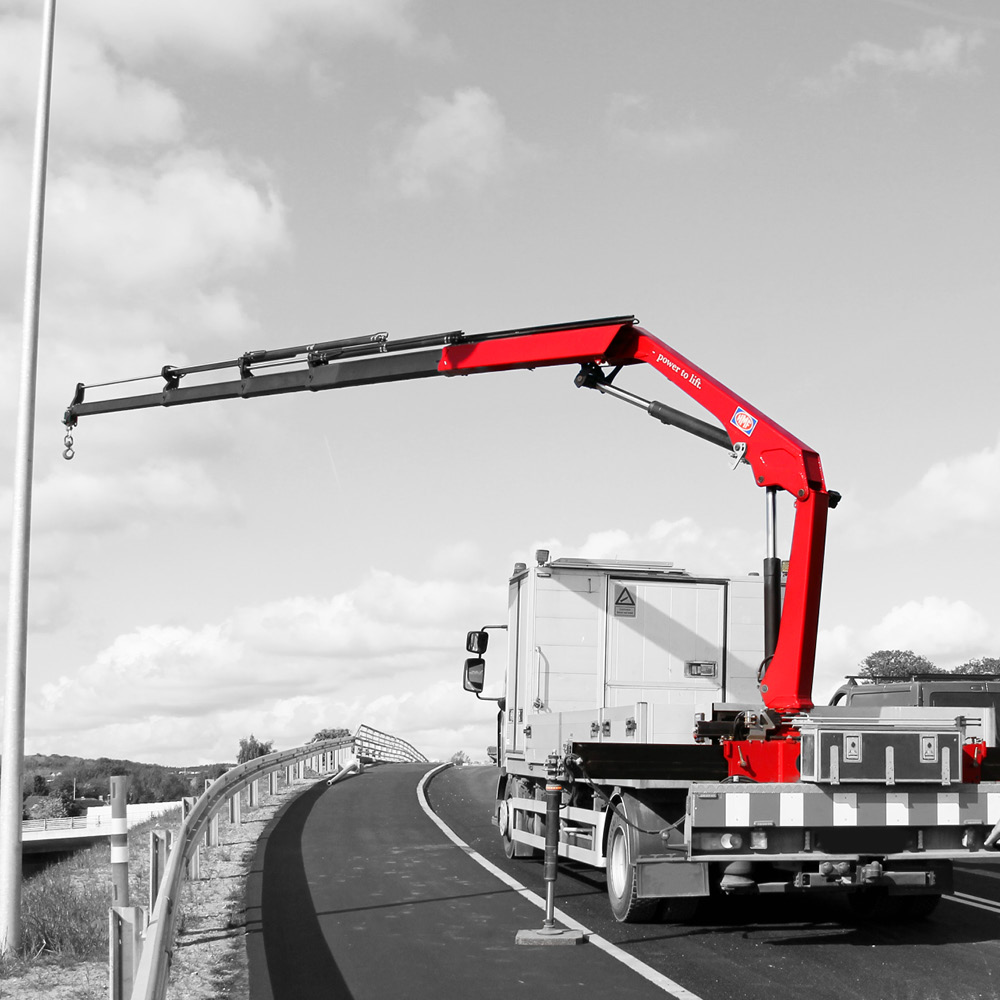
Truck cranes come in various sizes and configurations — from small, lightweight units that handle minor loads to heavy-duty machines capable of lifting several tonnes. The right choice depends largely on your typical workloads, site conditions, and the nature of your operations.
Key Factors to Consider When Selecting a Truck Crane
Lifting Capacity
The most important factor to assess is how much weight your crane needs to lift regularly. Always choose a model with a higher capacity than your maximum expected load to maintain safety and durability.Reach and Boom Length
Consider how high and how far the crane needs to lift. Longer booms are great for construction and infrastructure projects, while compact models are better suited for tight urban spaces or logistics yards.Mobility and Terrain
Will the crane operate mainly on paved surfaces or rough construction sites? Some models are designed for urban maneuverability, while others are built for stability on uneven ground.Ease of Operation
Modern truck cranes often feature advanced control systems that enhance precision and safety. Look for models with user-friendly controls, smooth operation, and strong safety features such as overload protection and stability sensors.Maintenance and Durability
A good truck crane should offer reliable performance with minimal downtime. Check for reputable manufacturers, readily available spare parts, and local service support. Regular maintenance schedules and inspections are also key to extending the lifespan of your equipment.Budget and Return on Investment
While upfront cost is an important consideration, think long term. A cheaper crane might save money today but could cost more later in repairs or inefficiency. Balance your budget with the total cost of ownership and operational reliability.
Matching the Crane to Your Industry
Different industries have unique requirements:
Construction companies often need high-capacity cranes with extended reach for lifting steel beams or concrete panels.
Transport and logistics businesses might prioritize mobility and quick setup for frequent loading and unloading.
Utility and maintenance services benefit from smaller, highly maneuverable cranes that fit in tight workspaces.
By identifying your main operational challenges, you can select a truck crane that aligns perfectly with your workflow.
Safety Should Always Come First
Regardless of model or capacity, every crane must be operated with strict attention to safety standards. Regular inspections, trained operators, and adherence to load limits are essential to prevent accidents and ensure consistent performance.
Conclusion
Choosing the right truck crane for your business is a strategic investment that affects productivity, safety, and profitability. Evaluate your lifting needs, job-site conditions, and long-term goals before making a decision. With the right equipment in place, your operations will run more smoothly, efficiently, and safely, helping your business lift to new heights.

