Choosing Window Shutters in York for Style, Privacy, and Everyday Comfort
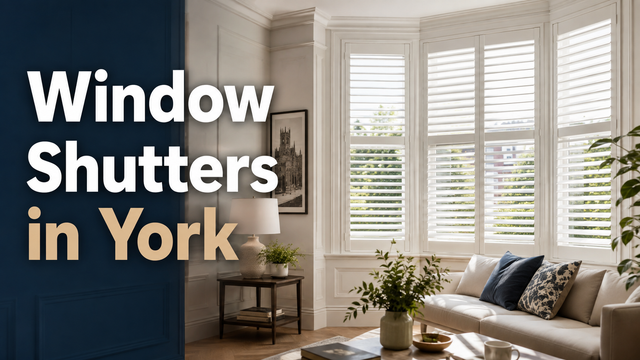
Windows influence more than the appearance of a room. They affect daylight, privacy, comfort, and the way an interior comes together. For homeowners who want a practical window covering with lasting visual appeal, shutters are an attractive option.
Well-fitted shutters can become a long-term feature of a property. Their clean, structured look suits many property styles. In a city with varied architecture, choosing the right shutter style matters.
This guide explains what to consider before buying shutters, how different designs work, and why careful planning matters when selecting a solution for your home.
Why Homeowners Choose Shutters
One of the main reasons people choose shutters is control. Curtains can be opened or closed, but shutters allow more precise management of light and privacy. Adjustable louvres can reduce glare without making a room feel dark.
This is useful in street-facing rooms where privacy matters during the day. The louvres can be tilted to limit views from outside while still allowing natural light to enter.
Shutters also offer a tidy appearance. Because they fit closely to the window, they avoid the bulk of heavy curtains and can help smaller rooms feel more open.
Other practical benefits may include:
• Better control over sunlight throughout the day
• Improved privacy for ground-floor rooms
• A durable alternative to fabric window coverings
• Easy cleaning with a cloth or duster
• A fitted appearance that can enhance interior design
These advantages make shutters suitable for living rooms, bedrooms, kitchens, home offices, and hallways.
Matching Shutters to York Homes
York has a distinctive mix of property styles. Some homes feature sash windows, bay windows, and period details, while others have modern frames and contemporary layouts. This variety means there is no single shutter design that works everywhere.
Start by looking at the architecture of the room and the shape of the window. A shutter should feel like part of the property rather than an added accessory. In traditional interiors, classic neutral finishes often complement original features without competing with them.
Modern rooms may suit cleaner lines and simpler panel arrangements. Homeowners exploring Window Shutters in York should also consider how the shutters will look from outside. A consistent appearance across the front of the property can create a more balanced impression.
Choosing the Right Shutter Style
Different shutter styles suit different needs. Understanding the main options makes it easier to choose a design for both the window and the room.
Full-height shutters cover the entire window. They work well in bedrooms, living rooms, and tall windows because they create a neat, complete appearance.
Cafe-style shutters cover only the lower section. This allows light to enter through the top while providing privacy at street level. They can be effective in front rooms or dining areas facing a pavement or neighbouring property.
Tier-on-tier shutters have separate upper and lower panels that can be opened independently. One section can remain closed while the other is opened, offering useful flexibility.
Solid panel shutters provide a more traditional look. Instead of adjustable louvres, they use solid sections that create privacy and a stronger sense of enclosure.
Light Control Without Losing Brightness
Natural light can transform a room, but too much direct sunlight may create glare, fade furnishings, and make screens difficult to view. Shutters provide a practical way to manage these issues.
By changing the angle of the louvres, homeowners can direct light rather than block it completely. This softens strong sunlight while maintaining a bright atmosphere.
In a home office, the louvres can reduce reflections on a computer screen. In a living room, they can limit direct sunlight on furniture while keeping the space comfortable and welcoming.
This flexibility suits rooms used for different purposes throughout the day.
Privacy for Busy Streets and Overlooked Rooms
Privacy is a common concern in residential areas. Homes close to roads, footpaths, neighbouring buildings, or shared spaces may feel exposed when windows are left uncovered.
Shutters offer a middle ground between fully open windows and completely closed curtains. The slats can be angled so daylight enters while direct views into the room are reduced.
This is particularly valuable in ground-floor bedrooms, lounges, bathrooms, and front-facing dining rooms. Homeowners can enjoy daylight without feeling overly visible from outside.
The right shutter configuration also makes privacy easier to manage as light conditions change.
Considering Colour and Finish
Colour strongly influences how shutters feel within a room. White and off-white shades remain popular because they reflect light and suit many decorative styles. They can make a room feel fresh, bright, and spacious.
Warmer neutrals may suit traditional interiors or rooms with natural wood furniture. Darker finishes can create a more dramatic effect in modern spaces.
The best choice depends on the existing room rather than trends alone. Consider the wall colour, flooring, furniture, window frames, and overall mood.
Long-term flexibility matters too. A neutral finish may be easier to live with if the room is likely to be redecorated later.
Why Accurate Measuring Matters
Shutters rely on accurate fitting. Even an attractive design can look disappointing if the panels do not align properly with the window.
Measurements should account for width, height, frame condition, recess depth, handles, and unusual features. Bay windows and shaped windows may need extra attention because several angles or sections are involved.
A careful survey helps prevent panels catching on handles, uneven gaps, or frames that do not sit correctly.
Professional measuring can be useful when windows are older, irregular, or unusually shaped. Period properties may not have perfectly square openings, so small differences can affect the final fit.
Maintenance and Everyday Care
One advantage of shutters is easy maintenance. Unlike fabric curtains, they do not need to be removed for washing. Regular dusting is usually enough to keep them looking clean.
For deeper care, a soft cloth can be used on the louvres and frames. Harsh cleaning products are usually unnecessary and may not suit every finish.
A simple routine can help preserve the appearance:
• Dust the slats regularly
• Wipe marks with a soft, lightly damp cloth
• Check hinges and moving sections occasionally
• Avoid forcing panels if something feels misaligned
Good care can help shutters remain attractive and functional for many years.
Making Shutters Part of the Interior Design
Shutters are not only a practical window covering. They also influence the character of a room.
In minimalist spaces, they can support a clean and organised look. In traditional rooms, they can complement mouldings, fireplaces, timber floors, and period furniture. In family homes, they provide a practical finish that can be easier to manage than long curtains.
They can also be combined with curtains to create a softer appearance, add decorative depth, or increase comfort in bedrooms and living spaces.
The key is balance. The shutters should support the room rather than overwhelm it.
A Thoughtful Upgrade for the Home
Choosing shutters is about more than selecting a style from a catalogue. The best result comes from considering the window shape, room use, privacy needs, light levels, colour scheme, and overall character of the property.
A well-planned installation can improve both the look and everyday usability of a room. It can make privacy easier to control, reduce glare, keep the space feeling bright, and add a fitted feature that feels intentional rather than temporary.
For York homeowners, the wide range of property styles makes careful selection especially important. A design that respects the architecture of the home while meeting practical needs is more likely to feel right for years.
When shutters are measured accurately, chosen thoughtfully, and matched to the interior, they can become one of those improvements that quietly makes daily life more comfortable while giving the room a polished, finished appearance.
