Cold Email: Your Secret Weapon in B2B
Cold emails are the silent workhorses of B2B marketing. When executed well, they open doors, spark partnerships, and drive serious business growth. But crafting a cold email that stands out in a crowded inbox? That’s a challenge. Decision-makers are spammed with emails daily, so yours needs to cut through the noise.
The Anatomy of an Effective Cold Email
A cold email is an unsolicited message sent to someone with whom you have no prior relationship. It's a bold move, but with the right strategy, it can pay off big. Key elements include:
-
Compelling Subject Line: This is your make-or-break moment. Your subject line needs to be clear, concise, and, most importantly, intriguing. Think of it as a hook—something that piques curiosity without sounding too salesy. Instead of a generic “Check out our product,” try a more click-worthy approach like, “What if you could boost your sales by 30%?” or “A quick idea to supercharge your next campaign.” It’s about sparking interest without over-promising.
For example, when we used the subject line “[companyName]'s Personalised emails,” we landed only a 30% open rate. However, when we changed it to “⛔ Stop Writing Icebreakers Manually”, the open rate increased to 60%. -
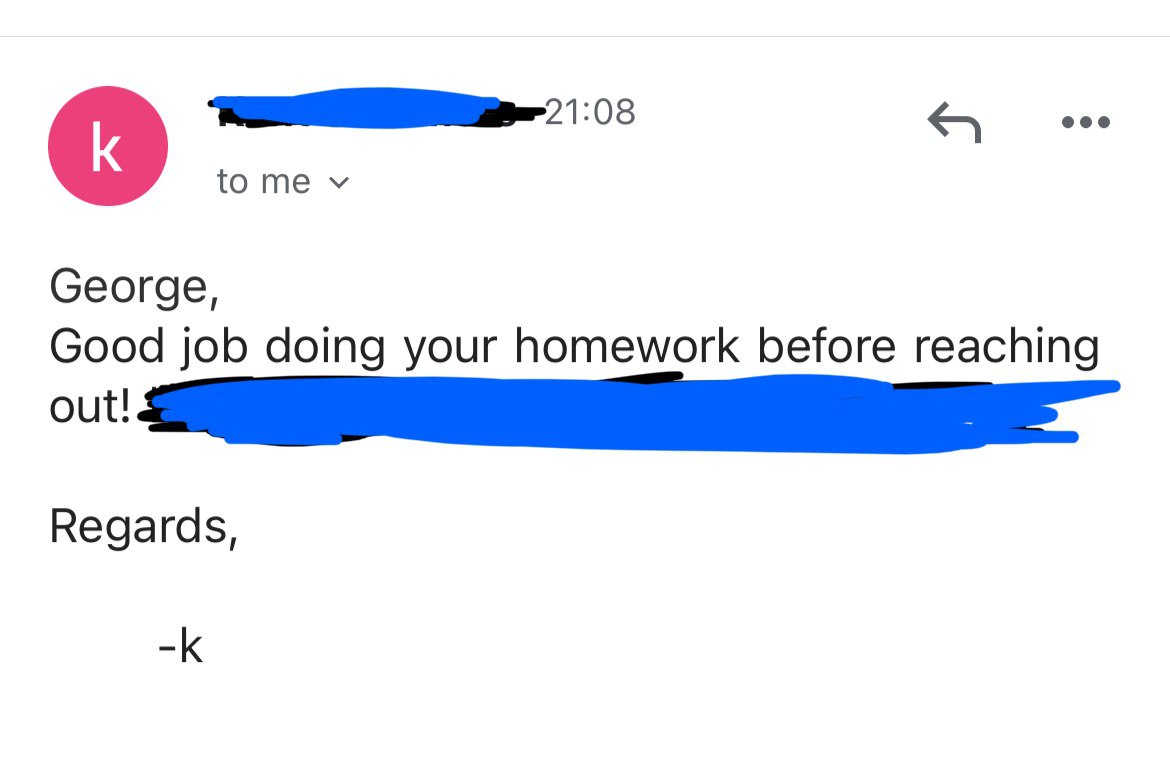
Personalization: Show that you’ve done your homework. Use the recipient's name, mention their company, and reference a recent achievement or challenge they’ve faced. A personalized touch—like “Congrats on your latest product launch, [Recipient’s Name]”—can make all the difference. Alternatively, use Icebreaker, a tool that can help you generate personalised icebreakers using open-source data.
-
Strong Value Proposition: This is the heart of your email. Clearly articulate what you can offer. For example, “We helped [Similar Company] increase their sales by 30% in six months, and we believe we can do the same for you.”
-
Call to Action (CTA): Guide the recipient on what to do next. Whether it’s scheduling a call, signing up for a demo, or simply replying to the email, make your CTA clear and direct. For example, “Are you available for a quick call next Tuesday to discuss this?”. Avoid giving more than 1 CTA.
Why Templates Matter
Cold email templates are your go-to tools. They streamline your outreach, ensure consistency, and can be optimized over time. For instance, a template for a sales outreach might start with, “Hi [Recipient’s Name], I noticed your company recently expanded to [New Market]. We specialize in helping businesses like yours succeed in new regions…” Templates like this save time and make sure you’re always putting your best foot forward.
Best Practices
-
Keep It Short: Decision-makers are busy. Stick to under 150 words.
-
Focus on Them: Make the email about their needs, not just your pitch.
-
Avoid Jargon: Use clear, simple language that anyone can understand.
-
Test and Refine: Continuously test different subject lines, CTAs, and formats to see what works best. A/B testing is your friend.
Follow-Up Matters
Don’t be discouraged if you don’t get a response right away. A polite follow-up can often turn a “no” into a “yes.” Space your follow-ups a few days apart, and always add new value or insights. For example, “I wanted to follow up on my previous email and share a recent case study that might interest you…”
Cold emails, when done right, are powerful. Whether you're reaching out for sales, partnerships, or lead generation, a well-crafted cold email can be the key to unlocking new opportunities and driving business growth.
50+ Cold Email Templates

We’ve created a workbook containing 50+ cold email templates sorted by category and use case.
Grab it → Here

Personalization is very important if not the most important step in cold email.
You don't want the email to look like it's been copy pasted hundreds of times. Icebreakers are also a good idea
They're becoming essential if you want to grab attention and stand out. It's challenging but necessary to write personalised emails
Attention to details is the key 🔑
100%