Commercial Plumbing Services: Essential Solutions for Sacramento Businesses
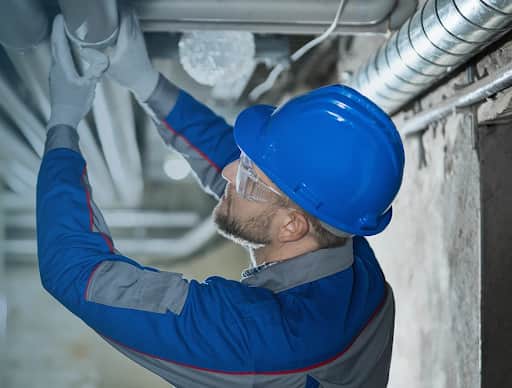
Plumbing plays a critical role in keeping commercial properties safe, functional, and comfortable. Restaurants, offices, retail stores, warehouses, medical facilities, apartment buildings, and industrial properties all depend on reliable plumbing systems every day. A small leak, blocked drain, damaged pipe, or water heater problem can quickly interrupt normal operations and create expensive damage if nobody addresses it promptly.
Commercial plumbing also differs from residential plumbing because business properties often have larger systems, higher water demand, more fixtures, and stricter operational requirements. Property managers and business owners need professionals who understand these demands and can handle routine maintenance as well as unexpected problems. Working with a reliable Commercial Plumber Sacramento can help businesses maintain their plumbing infrastructure and reduce the risk of disruptive failures.
Why Commercial Plumbing Requires Specialized Attention
Commercial plumbing systems often serve many people simultaneously. An office building may have multiple restrooms, kitchens, water heaters, and supply lines operating throughout the day. A restaurant may place even greater pressure on its drainage and water systems because of constant food preparation, cleaning, and customer use.
These systems require careful inspection and maintenance. A problem that seems minor in one area can affect other parts of the building if it remains unresolved. For example, a slow drain may indicate developing buildup inside the plumbing line, while unusual water pressure can point toward a larger supply issue.
Commercial plumbing professionals understand how these systems work together and can identify problems before they become major interruptions.
Common Plumbing Problems in Commercial Properties
Businesses can experience many different plumbing issues depending on their industry and building design. Some problems occur more frequently than others.
Leaking faucets and pipes may waste water and gradually damage surrounding materials. Clogged drains can create unpleasant odors and prevent sinks or fixtures from operating normally. Low water pressure can affect multiple areas of a property and make daily operations difficult.
Commercial properties may also experience sewer line problems, water heater failures, backflow concerns, and damaged fixtures. Regular maintenance can help identify these issues before they result in costly emergency repairs.
Commercial Drain Cleaning
Drain problems are particularly common in busy commercial environments. Restaurants, for example, send significant amounts of water, food residue, grease, and other materials through their drainage systems.
Over time, buildup can restrict water flow and eventually cause a complete blockage. A slow drain should not always be treated as a minor inconvenience because it can signal a developing problem deeper within the system.
Professional drain cleaning can remove buildup and restore proper flow. Regular service can also help businesses reduce the likelihood of sudden blockages during busy operating hours.
Sewer Line Services
A commercial property's sewer system carries wastewater away from the building. If the sewer line becomes damaged or blocked, the consequences can be serious.
Warning signs may include recurring drain backups, unpleasant odors, slow drainage across multiple fixtures, or unusual changes in water flow.
Professional plumbers can inspect the system and determine whether the problem involves a blockage, damaged pipe, tree root intrusion, or another issue. Early attention can sometimes prevent a localized problem from becoming a larger plumbing emergency.
Water Heater Maintenance and Repair
Hot water is essential for many commercial businesses. Restaurants need hot water for cleaning and sanitation, while hotels, healthcare facilities, and apartment buildings may depend on large water heating systems throughout the day.
A failing water heater can affect business operations quickly. Common warning signs include inconsistent water temperature, unusual noises, visible leaks, or insufficient hot water.
Routine inspections can help identify developing issues and keep the system operating efficiently. When replacement becomes necessary, a plumbing professional can help determine the appropriate system based on the building's water demand.
Preventing Plumbing Emergencies
Emergency plumbing problems rarely happen at a convenient time. A burst pipe during business hours can interrupt operations, while a major leak overnight can cause extensive property damage.
Preventive maintenance provides one way to reduce these risks. Businesses can schedule inspections and address small problems before they become serious.
A maintenance plan may include checking pipes, valves, fixtures, water heaters, drains, and other important components. The exact schedule should depend on the property's age, usage, plumbing design, and business type.
Plumbing for Restaurants
Restaurants place unique demands on plumbing systems. Sinks, dishwashing equipment, bathrooms, grease management systems, and kitchen appliances may all operate throughout the day.
Grease and food particles can create serious drainage problems when businesses do not manage them properly. Regular cleaning and appropriate disposal practices can reduce buildup.
Restaurants should also address leaking fixtures quickly. A small leak can waste significant amounts of water over time and may contribute to moisture damage.
Plumbing for Office Buildings
Office buildings typically have a large number of employees using restrooms, break rooms, kitchens, and other plumbing fixtures.
High usage can gradually affect fixtures and drainage systems. Restroom problems can also create an unpleasant experience for employees and visitors.
Regular inspections can help property managers identify leaking faucets, running toilets, clogged drains, low water pressure, and other common concerns before they affect the entire building.
Plumbing in Retail Properties
Retail businesses need functional plumbing to maintain daily operations. Customers and employees depend on accessible restrooms, sinks, and other fixtures.
A plumbing issue can become especially problematic in a busy retail environment because it may affect customer experience and employee productivity.
Businesses should have clear procedures for reporting plumbing problems and contacting professionals when immediate repairs are necessary.
Importance of Water Efficiency
Water consumption can contribute significantly to operating costs, especially in large commercial properties. Leaking fixtures and inefficient plumbing equipment can increase water bills without providing any business benefit.
Businesses can improve efficiency by repairing leaks, replacing outdated fixtures, and monitoring unusual changes in water usage.
Water-efficient fixtures can also reduce consumption while maintaining the functionality employees and customers expect. A plumbing professional can help identify opportunities to improve efficiency without compromising performance.
Backflow Prevention
Backflow can create serious concerns because contaminated water may enter a clean water supply under certain conditions.
Commercial properties may have specific equipment and plumbing configurations that make backflow prevention particularly important. Businesses should ensure that required prevention devices receive appropriate inspection and maintenance.
Professional plumbers can help property owners understand their systems and address backflow-related requirements.
Detecting Hidden Plumbing Leaks
Not every plumbing leak is immediately visible. Some leaks occur behind walls, beneath floors, or underground.
Hidden leaks may cause unexplained increases in water bills, damp areas, unusual odors, damaged materials, or changes in water pressure.
Early detection can reduce the amount of damage caused by a leak. Businesses should investigate unexplained water consumption or visible signs of moisture rather than assuming they will disappear on their own.
The Value of Regular Plumbing Inspections
Routine inspections allow professionals to examine plumbing components before serious failures occur.
During an inspection, a plumber may look for corrosion, leaks, damaged connections, drainage problems, worn fixtures, water pressure issues, and other potential concerns.
The goal is to identify problems while they remain manageable. Preventive service can often be less disruptive than emergency repairs because businesses can schedule maintenance around their operating hours.
Choosing a Commercial Plumbing Professional
Businesses should consider several factors when selecting a plumbing provider.
Experience with commercial properties is important because commercial systems can differ considerably from residential plumbing. Availability also matters, particularly for businesses that operate outside traditional working hours.
Companies should also consider communication, service scope, professionalism, and the ability to provide both maintenance and repair services.
A reliable plumbing partner should understand that minimizing downtime is an important part of commercial service.
Planning for Plumbing Emergencies
Even with good maintenance, emergencies can still happen. Businesses should have a response plan before a serious plumbing problem occurs.
Employees should know where major water shutoff valves are located and whom to contact when a leak or plumbing failure occurs. Property managers should also maintain records of previous repairs and important plumbing equipment.
Having this information available can help reduce confusion during an emergency and allow professionals to respond more efficiently.
Long-Term Plumbing Maintenance
Commercial plumbing should be treated as an ongoing property management responsibility rather than a system that only needs attention when something breaks.
A long-term maintenance strategy can include scheduled inspections, drain cleaning, fixture checks, water heater service, leak monitoring, and timely replacement of aging components.
Keeping maintenance records can also help property managers identify recurring issues and plan future upgrades.
Conclusion
Reliable plumbing is essential for businesses across Sacramento. Commercial properties depend on functioning water supply, drainage, sewer, restroom, and water heating systems to maintain everyday operations. When these systems fail, the resulting disruption can affect employees, customers, property, and revenue.
Regular maintenance, timely repairs, and professional inspections can help businesses reduce these risks. From drain cleaning and sewer services to water heater maintenance and leak detection, a comprehensive approach can keep commercial plumbing systems working efficiently.
By choosing experienced professionals and addressing small issues before they become major problems, Sacramento businesses can protect their properties, control operating costs, and maintain a more dependable environment for everyone who uses the building.

