Commercial Roof Installation: Building Long-Term Protection for Your Business
A commercial roof is one of the most important investments for any business. It protects your building, employees, customers, equipment, and inventory while helping maintain energy efficiency and the structural integrity of the property. Whether you're constructing a new building or replacing an aging roof, professional commercial roof installation is essential for long-term performance and reliability.
Unlike residential roofing, commercial roofing systems require specialized materials and installation techniques. Most commercial buildings have flat or low-slope roofs that use systems such as EPDM rubber roofing, TPO, PVC, or modified bitumen. Each roofing system offers unique benefits depending on the building's design, energy-efficiency goals, and budget.
Every commercial roof installation begins with careful planning and a thorough evaluation of the building. Professional roofing contractors inspect the roof deck, structural components, drainage system, insulation requirements, rooftop equipment, and flashing details before installation begins. Proper planning helps ensure the roofing system performs efficiently for decades.
A quality commercial roof installation starts with a solid foundation. Damaged or deteriorated roof decking is repaired or replaced before new materials are installed. High-performance insulation is then added to improve energy efficiency, reduce heating and cooling costs, and create a smooth surface for the roofing membrane.
The roofing membrane is one of the most critical components of a commercial roofing system. Whether installing EPDM, TPO, or PVC, professional contractors follow manufacturer specifications to ensure proper attachment, watertight seams, and long-lasting performance. Correct installation helps protect the building from leaks, standing water, UV exposure, and extreme weather.
Proper drainage is equally important. Flat roofs are designed with drains, scuppers, gutters, and tapered insulation to move water off the roof efficiently. Preventing ponding water helps extend the life of the roofing system while reducing the risk of leaks and structural damage.
Commercial roof installations often involve working around HVAC units, skylights, exhaust fans, plumbing vents, and other rooftop equipment. Professional roofing contractors install flashing and waterproof details around every penetration to maintain a watertight seal and protect vulnerable areas of the roof.
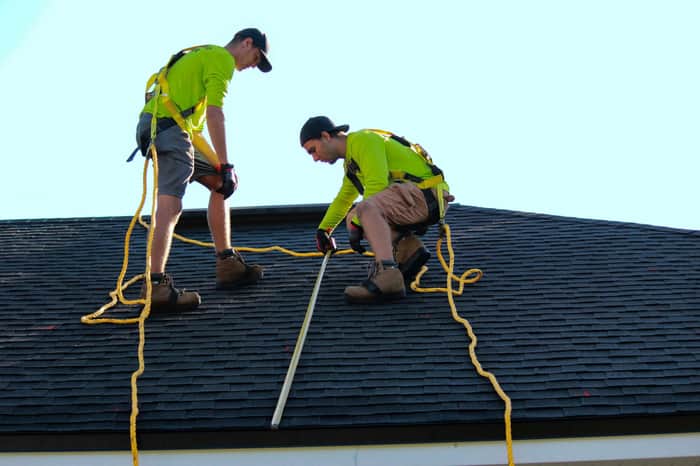
Safety is a top priority during every commercial roofing project. Experienced contractors follow OSHA regulations, use approved fall-protection systems, secure work areas, and coordinate material deliveries to minimize disruptions to daily business operations while maintaining a safe work environment.
After installation, routine maintenance is essential for maximizing the life of a commercial roof. Semiannual inspections, drain cleaning, debris removal, and prompt repairs after severe weather help prevent costly damage while protecting your investment.
Choosing a Commercial Roof Installation by experienced professionals ensures your building receives a durable, energy-efficient roofing system built to withstand years of harsh weather. With premium materials, expert craftsmanship, and ongoing maintenance, your commercial roof will provide dependable protection and long-term value for your business.
