Complete Guide to Fulfillment Process for Digital Goods
The world has come a long way from driving to brick-and-mortar shops, finding a software product on a shelf, and purchasing a physical copy.
Technology has radically transformed the order fulfillment process for digital goods, making it simpler, faster, and more efficient while bringing huge benefits for both sellers and customers.
But modern order fulfillment goes way beyond its obvious benefits. In a world wrapped around the need for instant gratification of otherwise evolving customer preferences, digital goods developers that are looking to cash in need to be able to offer a flawless delivery process.
After all, since it’s expected that by 2040, 95% of all purchases will be made online, there’s room to make a substantial profit amount. Now more than ever before, getting order fulfillment right is essential to business success.
What Is Order Fulfillment?
A new sale is reason for celebration, but when it comes to digital products, the process is not complete until that order is fulfilled and the customer receives what they have paid for.
With 69% of shoppers abandoning a brand if the product purchased is not delivered fast, the digital fulfillment process is a critical task, part of any business’s strategy for long-term success.
Due to their electronic format, the order and delivery of digital products are much simpler than physical ones. Once the payment is complete, the user receives the order almost instantaneously.
The 4 Order Fulfillment Challenges
Digital product sellers often encounter various challenges linked to order fulfillment, and your ability to solve them is crucial for maintaining the success of your business.
1. Digital Piracy
Depending on how it is used, technology can be an ally for business owners, as well as fraudsters. Take, as an example, the order fulfillment process for digital products.. Providing users with their orders may be simple and fast, but so is replicating and distributing unauthorized digital content.
Entrepreneurs must take different measures to ensure that their work is protected from fraudsters, such as implementing robust digital rights management (DRM) and delivery mechanisms.
2. Capacity and Scalability
The digital format of these products has numerous benefits for both users and sellers, from instantaneous delivery to being available for access and download from anywhere in the world. However, the problem is that as your company scales, your infrastructure needs to handle an increase in order volume, and this can be challenging.
It’s essential that you make use of digital technologies that can scale together with your ambitions. The servers and bandwidth involved need to be able to handle increased demand without compromising either delivery speed or quality.
3. Customer Expectations and Support
If your order fulfillment process doesn’t live up to your customer’s expectations, you might lose them. Even worse, they might leave negative feedback about your brand, turning away potential users and making it impossible for you to achieve your business objectives. It’s very important to do your best to offer flawless and fast delivery services and be prepared to provide shoppers with excellent customer service in case something goes wrong.
Whether users ask for assistance with downloading, accessing, or troubleshooting, you need to be able to offer prompt and knowledgeable customer service on all available channels.
4. Data Security and Privacy
One of the biggest challenges faced by eCommerce organizations is protecting user data and maintaining privacy. When purchasing digital products, customers entrust you with their personal information.
This makes you fully responsible for safeguarding them according to existing standards and implementing robust security measures against data breaches and unauthorized access. Complying with different regulations such as GDPR is not only mandatory but also imperative in gaining (and maintaining) your users’ trust.
Discover the 5 steps of the order fulfilment process on PayPro Global’s Blog.
DIY Vs. Third-Party Fulfillment Method: Which is Best?
Surely you’ve given this a thought. The self-fulfillment option might seem more appealing, most likely because of the idea of control. However, if you want total control, know that it comes with great costs and responsibilities. But then again, handing over one of the most important parts of a successful company seems like a tough decision to make too. Let’s understand what the pros and cons of each option are and then decide which would serve your needs best.
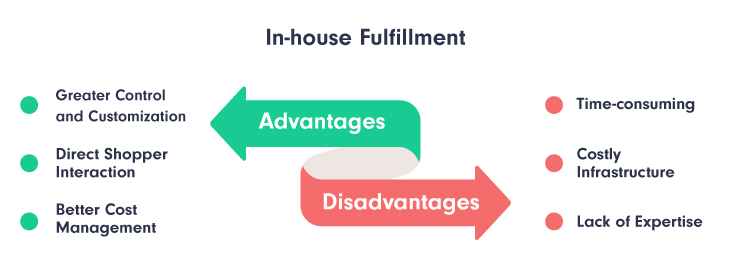
In-house Fulfillment
Also known as self-fulfillment, this model entails that the merchant handles the entire online process internally. Generally considered a better option for small businesses, it can be found in larger companies as well.
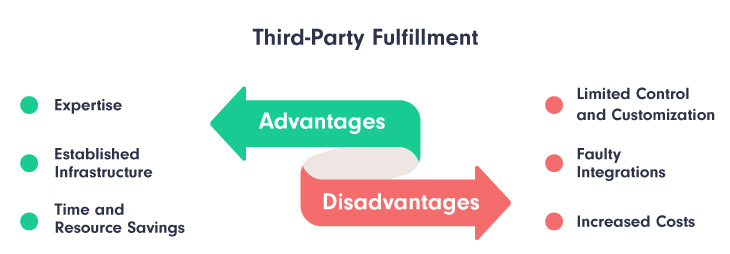
Third-Party Fulfillment
This method refers to solutions that provide complete assistance and handle the entire delivery of digital goods as a result of an existing partnership.