Construction Debris Disposal: Efficient Strategies for Jobsite Cleanup and Waste Management
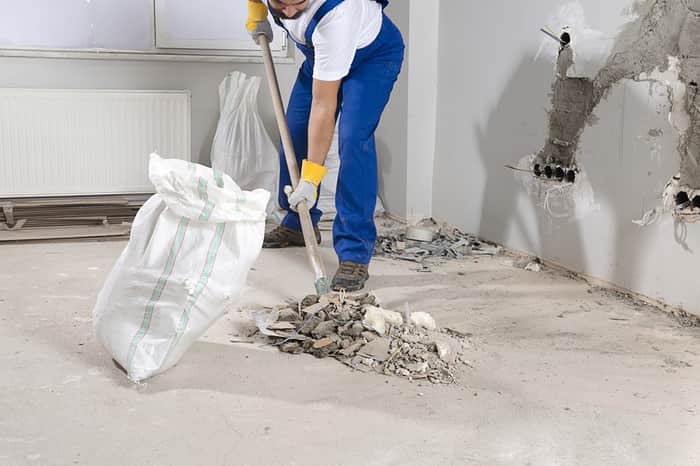
Construction sites generate a lot more than noise and dust—you also produce materials that add cost, delay, and environmental risk if you don’t manage them. You can cut debris disposal costs, meet regulatory requirements, and keep projects on schedule by sorting, recycling, and choosing the right removal services from the start.
This post Construction Debris Disposal will show practical methods for managing demolition and renovation waste, explain what regulations you must follow, and lay out environmental best practices that protect your budget and reputation. Expect clear, usable steps you can apply on your next job to reduce landfill waste and simplify compliance.
Methods for Managing Construction Waste
You will reduce costs and compliance risks by using targeted sorting, maximizing recycling/reuse, and meeting disposal facility standards. Implement clear roles, color-coded containers, and documentation to keep materials moving efficiently.
On-Site Sorting Strategies
Set up a sorting flow before work begins. Reserve a dedicated area near the site entrance for bins and temporary stockpiles so trucks can load quickly and you avoid cross-contamination.
Use color-coded containers and labeled skips for: concrete/asphalt, mixed inert, wood, metals, hazardous (asbestos/paints), and general refuse. Train crews with a one-page sorting chart and hold short toolbox talks weekly to keep compliance high.
Assign a waste lead to inspect loads daily and record weights or volumes. Use a simple log or mobile app to track diversion rates and contract haulers based on separated-stream volumes to lower tipping fees.
Recycling and Reuse Options
Identify high-volume recyclable streams on your project — concrete, brick, metal, untreated timber, and gypsum — and prioritize them. Crush concrete on-site or at a nearby plant for use as fill; metal should go to scrap yards under weight-based contracts.
Partner with material reuse networks and deconstruction contractors for fixtures, doors, and cabinetry. Salvaged items can be listed online or delivered to reuse stores, reducing disposal costs and procurement expenses.
For mixed drywall or contaminated wood, arrange dedicated processing or controlled recycling routes. Keep receipts and manifests for all recycled loads to document diversion for owners and regulators.
Disposal Facility Requirements
Confirm facility permits and accepted material lists before scheduling hauls. Not all landfills or transfer stations accept asbestos, PCB-containing caulk, or treated wood; sending prohibited items causes fines and return-haul costs.
Collect and supply required paperwork: manifests for hazardous loads, chain-of-custody forms, and weighbridge tickets. Inspect facility hours, truck access, load size limits, and tipping fees to optimize routing and avoid demurrage.
Verify environmental controls at the facility: stormwater management, dust suppression, and proper enclosures for hazardous stockpiles. Audit your disposal provider annually and keep emergency contacts and contingency plans for rejected loads.
Regulations and Environmental Best Practices
You must follow legal requirements, use proven recycling and treatment methods, and prioritize actions that cut landfill volume and environmental harm.
Legal Compliance in Debris Handling
You must identify and follow federal, provincial/state, and municipal rules that apply to construction debris at your site. Obtain required permits for demolition, hazardous waste transport, and landfill disposal before work begins.
Keep manifests and waste tracking documents for materials such as asbestos, lead paint, PCB-containing caulking, and regulated contaminated soil. These records protect you during inspections and help demonstrate chain-of-custody for hazardous loads.
Train on-site staff in segregation, labeling, and spill response procedures. Use licensed haulers and facilities; verify their permits and disposal receipts. Noncompliance can trigger stop-work orders, fines, and costly remediation, so document all contractor credentials and waste disposal receipts.
Sustainable Disposal Techniques
You should sort materials on-site into designated streams: clean wood, concrete/masonry, metals, mixed inert, gypsum, and hazardous. Use color-coded bins and signage to reduce cross-contamination and improve recycling rates.
Process large volumes of concrete and asphalt through onsite or nearby crushing for reuse as base material. Salvage doors, windows, fixtures, and structural lumber for resale or donation to avoid disposal fees and lower embodied carbon.
For hazardous materials, follow approved abatement protocols: encapsulation or licensed removal for asbestos, chemical testing for paints/solvents, and secure containment for contaminated soils. Use certified recycling facilities for metals, and document recycled tonnages to support sustainability reporting and green procurement credits.
Reducing Landfill Impact
You should set measurable diversion targets (for example, 75% by weight) and monitor progress with weight tickets and recycling receipts. Incorporate deconstruction methods—dismantling rather than demolishing—to preserve reusable materials and reduce mixed-waste generation.
Specify recycled-content and reclaimed-material procurement to create markets for recovered materials. Implement just-in-time ordering to minimize excess material and return policies for unused items. Use waste audits at project milestones to identify high-waste trades and adjust practices.
Consider on-site reuse workflows: cut lists to reduce offcuts, centralize scrap collection for contractors, and coordinate periodic donations to reuse centers. These steps lower disposal costs and the volume sent to landfills while improving your regulatory compliance profile.
