Day 9: 159 visitors, ~4,000 AI requests... but only 8 signups. Here's what I learned.
I'm building https://startuphq.site, an AI platform that helps founders validate startup ideas before they spend months building them.
Yesterday I finally stopped adding features and looked at the numbers.
Here's what I found:
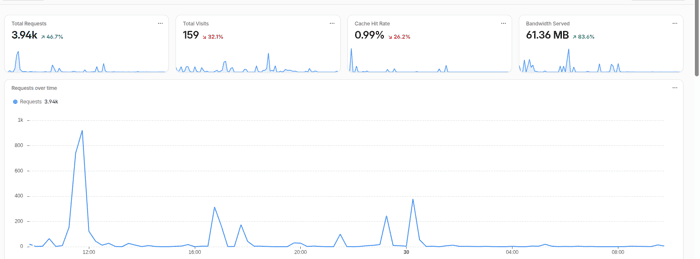
👀 159 unique visitors
⚡ ~4,000 AI requests processed
📝 18 registration attempts
✅ 8 completed signups
At first, I thought maybe people just weren't interested.
But after digging through the logs, the problem wasn't demand—it was the onboarding.
I found two issues:
- I asked for too much before giving value
Before users could start their first analysis, I asked them several questions to "improve the AI research."
In hindsight, I was optimizing for my AI instead of the user.
People wanted to experience the product first.
- A registration bug
To make things worse, there was a bug preventing some users from completing registration.
Nothing kills conversions faster than bugs in the signup flow.
Both issues are fixed now.
Biggest takeaway
As founders, we love shipping new features.
Yesterday reminded me that improving the first 30 seconds of the user experience is often more valuable than building the next feature.
My goal for today is simple:
See whether reducing onboarding friction improves the conversion rate.
I'm sharing screenshots of the current product as well—I'd love any brutally honest feedback on the onboarding or overall experience.
Question for other founders:
What's one change that unexpectedly had the biggest impact on your signup conversion? I'm always looking for ideas to simplify the experience.

Hi Viraj, Your day-nine StartupHQ update shared the full funnel—159 visitors, 18 attempts, eight signups—instead of hiding behind impressions. I’m building Build Before 2030: a manually reviewed public record where makers claim a Founding 100 number, set one measurable 30-day milestone, and later add proof of what shipped. The first cohort is free. StartupHQ feels like a strong fit. Interested? https://buildbefore2030.com
I'm struggling with this now. I can attract visitors but retention and follow through is rough. I was dropping people into their my account section after signup, and analytics showed people were bailing out. I've since dropped them right into the meat of the product. Will see if that helps at all, but onboarding friction seems to be tough to get right.
Your onboarding diagnosis is right, but there's a bigger signal buried in your own numbers you're under-reading: 4,000 AI requests from 159 visitors is ~25 requests per visitor. That's not a demand problem or even really an onboarding problem, that's people using the product heavily and then not signing up. Very different diagnoses.
Think about what that ratio means. People aren't bouncing. They're getting value, running analysis after analysis, and leaving without converting. That's not "onboarding asked too much before giving value" (though fixing that is right). It's closer to "you're giving so much value before signup that there's no reason to sign up." You may have the opposite of a friction problem, you're solving their problem completely in the anonymous session, so the signup has no job to do.
The question that matters: what does signing up actually get them that the free anonymous session doesn't? If the answer is "nothing they urgently need," 25 requests per visitor and 5% signup makes sense, they already got what they came for. The fix isn't less onboarding friction, it's giving signup a reason to exist: save your analyses, come back to them, track an idea over time, unlock the deeper output. The wall has to gate something they want, not just track them.
So before optimizing the first 30 seconds, figure out which of two problems you have. If people leave immediately, it's onboarding. If they run 25 requests then leave (which your numbers suggest), it's that signup isn't tied to anything valuable. Opposite fixes, and your data points at the second.
To your question: the change that moved signups most for people I've seen is tying the account to something the user would lose without it, saved work, history, continuity. "Sign up to keep what you just made" beats "sign up to continue."
What happens at request 25 that makes them leave, did they get their answer, or hit a wall? That tells you which problem you're solving.
Agreed, great advice. I will check once