Debunking Startup Myths: How to Actually Build a Cost-Effective MVP
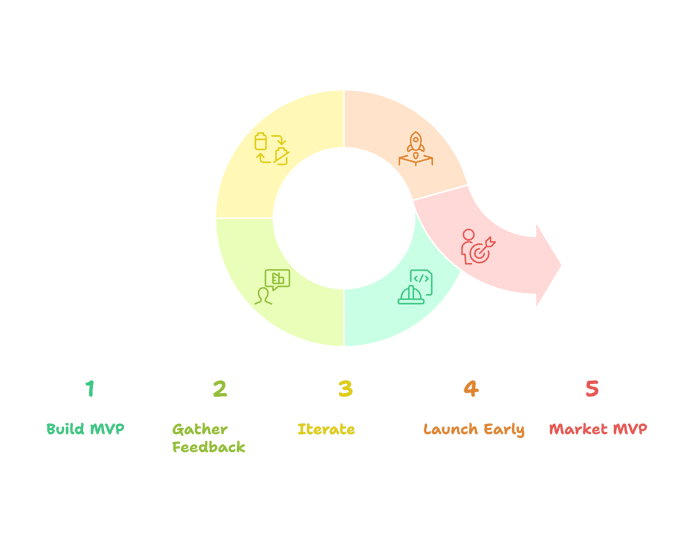
Remember those startup success stories we all binge-read late at night? They usually go something like this:
👤 Founder has a brilliant idea.
🔧 Spends a weekend building a basic prototype.
🚀 Launches it on Product Hunt.
📈 Overnight success ensues.
Yeah, that's a myth—a very persistent, sometimes damaging one. I fell for it myself once.
When I first started exploring SaaS ideas, I thought building an MVP would be ridiculously cheap and quick. Everyone was shouting from rooftops about building an MVP "in days" or "over the weekend," creating lofty expectations that set me—and probably many new founders—up for disappointment.
That's when reality hit me hard.
Sure, building a Minimum Viable Product (MVP) shouldn't cost a fortune, but it's rarely as cheap or quick as the internet startup myths suggest. It can, however, be cost-effective and realistic if you approach it the right way. Through trial, error, and many "facepalm" moments, I've learned the truth behind creating cost-effective MVPs. Here's a real, actionable breakdown that separates myth from reality:
Myth #1: Your MVP Must Be Perfect and Fully Functional
This one stung me bad. I spent months making my first MVP polished and feature-rich only to realize that the users didn't even care about half of the stuff I'd obsessed over.
Reality:
Your MVP should NOT be perfect—or even close to it. It's a minimal version of your product, specifically designed just to demonstrate a problem-solution fit. Take Dropbox as an example: Drew Houston simply created a demo video to illustrate his future product's functionality. It was simple, minimal, and effective—literally just a video!
Your MVP should:
- Solve a single core problem well enough.
- Demonstrate value clearly and concisely.
- Enable gathering immediate feedback for iteration.
Myth #2: You Need a Technical Co-founder or Expensive Developers
Worried that you have zero coding skills and money is tight? Same here. My second startup idea died because I thought I had to hire top-notch devs from day one.
Reality:
You don't always need expensive developers or a co-founder who codes. Today’s no-code and low-code tools make it easy and inexpensive to build an MVP that actually works—even for a complete beginner.
Here are tools I personally found game-changing and wallet-friendly:
- Fuzen.io: A great no-code platform for effortlessly developing SaaS and internal apps, especially if you're unfamiliar with complex coding frameworks.
- Bubble.io: Amazing for building web apps visually.
- Carrd or Webflow: For quick landing pages or simplified websites.
- Zapier: Seamless automation connection between your front-end (web app) and backend logic.
Myth #3: Launching Early is Risky—You Only Get One Chance
The famed "you only get one chance at launch" myth killed my motivation and productivity early in the process many times.
Reality:
You get continuous chances. Early launches of MVPs aren't about immediate success, they're about validated learning.
Launching early allows you to:
- Get brutally honest feedback on your idea and iterate faster.
- Avoid costly errors from assumptions you haven't tested.
- Identify and focus only on features users actually value and need.
Myth #4: Users Will Come If Your Product is Good
Believing my MVP would automatically find users because "it's good" led me to headaches, confusion, and even some existential dread (seriously!).
Reality:
The whole "build it and they'll come" theory is dangerously incomplete. Taking the initiative to market—even the minimal viable marketing—must begin before launching!
Ways I approached this successfully included:
- Creating simple breakdowns and explainer videos.
- Sharing meaningful, authentic stories about my journey online (Twitter, IndieHackers, LinkedIn).
- Actively seeking feedback from relevant online communities and posting candid reflections about learnings and challenges.
Myth #5: MVPs Are Cheap—You Won’t Spend Money At All
I believed an MVP meant zero expenses. Wrong again. Sure, an MVP doesn’t have to drain your wallet, but it’s rarely cost-free.
Reality:
An MVP still costs time, (some) money, and energy. But there are plenty of cost-effective ways to keep expenses manageable. Based on personal experience, your initial MVP costs can realistically range from a modest $50 to a manageable few hundred dollars, depending on your approach.
Ways I economized effectively:
- Leveraging the generous free tiers from popular no-code platforms.
- Investing in affordable yet reliable backend solutions such as AWS Free Tier, Heroku’s free tier, or Airtable.
- Outsourcing selectively when necessary through affordable freelance platforms (Fiverr, Upwork).
Summarizing What I Learned 📝:
- Forget Perfection: Launch quick and rough—iterate continuously afterward.
- Don't Overinvest Prematurely: Embrace cheap/free tools like Fuzen.io and Bubble.io for your MVP.
- Launch Early to Learn: Embrace criticism, feedback, and guidance from early adopters.
- Prioritize Outreach & Marketing: Engage people early and build genuine relationships.
- Expect Realistic Spend: Balance affordable resources with mindful budgeting.
Those startup legends we all read late at night fail to mention all the hidden trials, missteps, and expenses we encounter. But knowing the real truths above has dramatically improved my chances of success—hopefully, they do the same for you!
I'd genuinely love to hear about your MVP-building experiences as well:
- What's your biggest lesson learned about building an MVP?
- What myths did you fall for in the process?
Drop your experiences or questions in the comments below—let's bust some more startup myths together!
