Decks, Patios, and the “Third Place” at Home: Why Outdoor Platforms Feel Like Community (and How to Build One Safely)
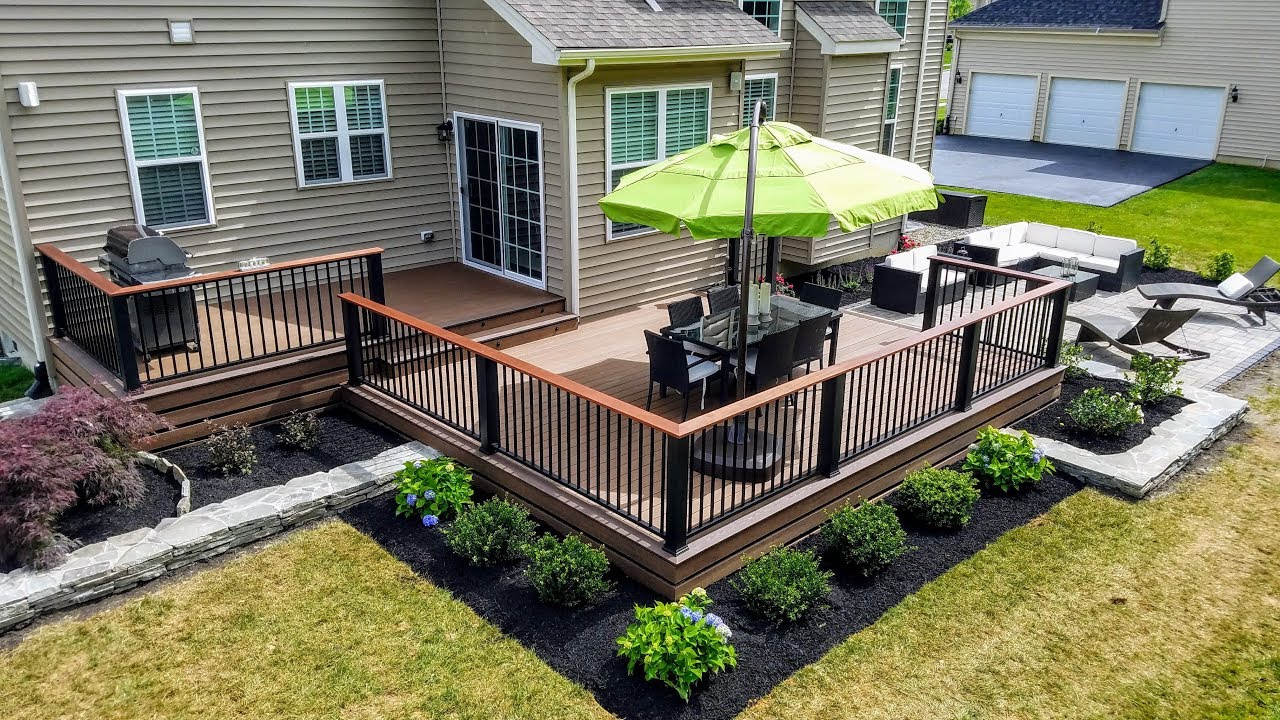
There’s a specific kind of conversation that happens outdoors. It’s looser, less performative. People linger longer. Phones get checked less (or at least less obviously). Even in a city that’s always moving, a small outdoor platform, deck, patio, or balcony can act like a pocket “third place,” the in-between space that’s not quite home and not quite the outside world.
For students and young adults, that in-between space matters more than we admit. College schedules and work hours can be isolating. Roommates rotate. Friend groups shift each semester. A shared outdoor spot, however small, becomes a soft anchor: a place for morning coffee, late-night debriefs, and the kind of small-talk that quietly turns into real talk.
But outdoor spaces are also a part of the home that people often “improvise.” A few chairs from a thrift store, some string lights, and a borrowed table. Then the upgrades start: planters, a grill, maybe a raised platform. And this is where vibes meet reality. Because anything that’s raised, attached to a building, or supporting people’s weight isn’t just décor, it’s structure.
Why decks are having a moment
Outdoor living has become a kind of cultural response to constant indoor life. After years of remote work, screen-heavy schedules, and crowded city living, people have learned to value “air time” as much as “down time.” Decks and patios offer something simple but powerful: an inviting place to be without needing a reservation, a cover charge, or a perfect outfit.
They’re also inherently social. Even the smallest platform changes the way a group gathers. A deck turns an awkward side yard into a hangout. It creates a boundary that says, “this is where we sit,” and that subtle definition makes people more comfortable. It’s the difference between standing around in a driveway versus settling into a space designed for staying.
The part nobody wants to think about: safety and longevity
It’s easy to treat a deck like a big piece of outdoor furniture, but it’s closer to a small bridge attached to your home. It needs to handle weight, weather, and time.
A few practical reminders that are worth taking seriously:
● Load matters more than people assume. A handful of friends, chairs, and a cooler add up quickly. If you ever host, your deck has to handle more than “normal use.”
● Water is the quiet enemy. Rot often starts where you can’t see it, around fasteners, at joints, under planters, and where the deck meets the house.
● Movement is a warning sign. A little bounce can be normal in some designs, but noticeable wobble, sagging, or shaking railings should never be ignored.
● Railings aren’t optional. If the platform is raised, railings are part of the structure, not an accessory.
If you’re renting, you usually don’t control construction decisions, but you can still make smart choices about how you use the space. Don’t overload one area with heavy furniture. Avoid clustering too many people near edges. And if something feels unstable, report it early instead of assuming it’s “just how it is.”
If you’re planning a deck: what to prioritize
Whether you’re building from scratch or updating an older setup, most good deck projects come down to a few core decisions.
1) Start with purpose, not aesthetics
Ask the unglamorous questions first:
● Is this for quiet mornings, bigger hangouts, or both?
● Do you need shade? Wind protection? Privacy?
● Will people be eating out there, working, or just sitting?
A deck that looks great but doesn’t match your habits becomes an expensive rectangle you rarely use.
2) Materials are a lifestyle decision
Wood can be beautiful, but it usually requires more maintenance. Composite materials can be lower maintenance, but they’re not automatically “better”,they’re different. Your choice should match your willingness (or unwillingness) to stain, seal, clean, and repair over time.
3) Drainage and airflow are non-negotiable
A deck that traps moisture will age faster. The design needs to let water move away and air circulate. This is one of those invisible details you only appreciate when it’s done right.
4) Don’t underestimate permits and code
This is the part people love to skip, until they can’t. Building codes exist for a reason, and permits protect homeowners long-term (including when selling). Even for smaller projects, it’s worth understanding what rules apply in your area.
5) Choose contractors like you choose roommates: carefully
When people are excited about a project, they want fast yeses. The smarter move is slow confidence:
● Ask for examples of similar work.
● Look for clear communication.
● Pay attention to how they explain tradeoffs (good builders don’t pretend every option is perfect).
● Make sure expectations are written down.
If you want a straightforward example of what professional deck services and project considerations can look like, you can browse a builder’s breakdowns and project approach, like USQualityConstruction.com, to get a sense of the questions you should be asking any contractor, anywhere.
The best decks aren’t “extra”, they’re intentional
A deck doesn’t have to be fancy to be meaningful. Some of the best outdoor spaces are simple: stable seating, a clean layout, a little greenery, and lighting that makes people want to stay.
What matters is intention. The deck becomes valuable when it supports the life you actually live, quick breaks between tasks, long conversations that start casually, and friends stopping by without it feeling like an “event.”
In a world where community often gets scheduled into existence, it’s worth building (or protecting) the small spaces where community happens naturally.


Really enjoyed this perspective on outdoor spaces as a “third place.” The way you connected decks and patios to community and everyday connection was thoughtful and relatable. It’s interesting how small design choices can completely change how people gather and interact. Great insights!