Desk Sign: Elevating Your Workspace with a Personal Touch
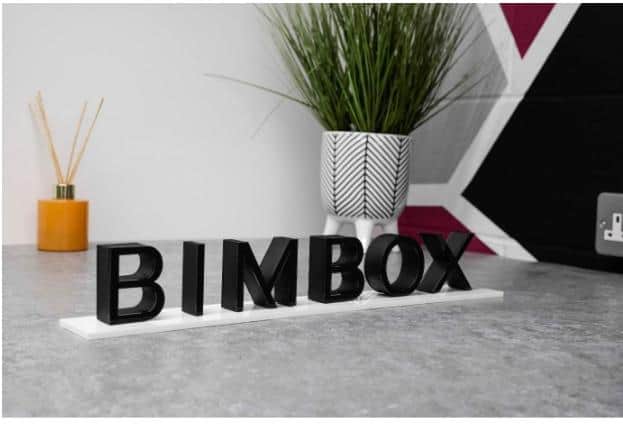
What is a Desk Sign?
A desk sign - often the first thing people notice when they glance around a office - is a small vital piece of your professional workspace. Usually sitting on a desk, reception counter, or office surface, it's a clear and concise way to display someone's name, job title, or a short message.
While a desk sign may look simple, it helps create order, improves communication and adds a professional touch to any environment. From big corporate offices to small clinics and shared workspaces, it's a useful tool that supports both staff and visitors alike.
A well-designed desk sign is about more than just identification - it's also a reflection of the overall quality and organisation of your business.
Why Desk Signs Matter in Today's Workplaces
In open-plan offices and flexible workplaces, clear identification has become more important than ever. A desk sign helps cut down confusion and makes it a lot easier for people to navigate the space.
For visitors, it gives them reassurance that they're talking to the right person. For staff, it creates structure and a sense of belonging.
A well-chosen desk sign can help you:
• clearly identify which team members are who
• keep busy areas organised
• give your office a professional appearance
• reinforce company branding
• create a more welcoming space for visitors
Even in small offices, it's these small details that contribute to a better overall experience.
How a Desk Sign Makes a Good First Impression
First impressions aren't just made up of big things like signage and interior design. Small details, like a desk sign, play a big part in how people perceive a business.
A clean, well-placed desk sign shows that a business pays attention to detail. It creates a sense of structure and professionalism, which helps build trust from the minute someone walks in.
In reception areas, desk signs are especially important. They help guide visitors and create a clear point of contact, making the experience a lot smoother.
Different Types of Desk Sign
There are loads of different types of desk signs, each suited to a different style or environment. Choosing the right one depends on the look you want to achieve.
The Acrylic Desk Sign
An acrylic desk sign gives a modern and clean look. It's often used in offices, studios and reception areas where a simple and professional look is needed.
The Metal Desk Sign
Metal desk signs give a more traditional and corporate feel. Durability and a refined finish make them a great option for materials like aluminium or stainless steel.
Wooden Desk Signs
Wooden desk signs bring a warmth and character to a workspace. They're ideal for creative environments, cafes and businesses that prefer a natural aesthetic.
Changeable Desk Signs
These desk signs make it easy to update the text. They're useful in environments where staff roles or names change frequently.
Double-Sided Desk Signs
These are designed to be read from both sides, so they're ideal for shared desks or spaces where visibility from different angles is important.
Each one offers a different balance of style, practicality and branding.
Choosing the Right Material for Your Desk Sign
The material you choose for your desk sign has a big impact on how it looks and how well it performs.
• Acrylic : sleek, modern and easy to keep clean
• Metal : durable and professional looking
• Wood : warm and natural
• Mixed materials : combine textures for a more premium look
Picking the right material helps ensure your desk sign fits in with the rest of your workspace and supports your brand identity.
Making Your Desk Sign Truly Yours
One of the best things about a desk sign is the ability to customise it. This lets businesses create a consistent and professional look across all desks and departments.
Customisation options include:
• name and job title
• font style and size
• logo placement
• colour combinations
• layout and alignment
The key is to keep the design simple and easy to read. A well-balanced desk sign should be clear at a glance while still reflecting your business.
Where Desk Signs Are Used
Desk signs are used in loads of different environments, making them a versatile addition to any workspace.
Common uses include:
• reception desks
• office workstations
• meeting rooms
• clinics and healthcare settings
• hotels and customer service areas
You can also use them in home offices to create a more structured and personalised working space.
Desk Signs and Branding
A desk sign is a small but effective way to reinforce branding within your business. When all desk signs follow the same design style, they contribute to a consistent and professional environment.
This consistency helps strengthen brand identity and makes sure every part of your workspace reflects your business values.
Even small details, like matching colours and fonts, can make a difference in how your office is perceived.
Easy to Install and a Breeze to Use
Most desk signs are simple to use and install. They're typically freestanding, so you can place them anywhere without the need for fixing.
Being light makes them easy to move or reposition, which is useful in flexible workspaces.Because of just how straightforward they are, desk signs make a pretty practical choice both for situations where you're setting something up for good & also when you need a temporary fix.
Final thoughts
Add a desk sign to the mix and suddenly your workspace is looking a lot more polished and put together - despite it being a tiny addition.
Whether it's just about communicating a bit more clearly or actually hammering home that company branding, desk signs have a quietly effective job to do in making your business look confident and on-point.
And with all the different styles, materials & customisation options you can get your hands on, it's actually pretty easy to find a desk sign that fits right in with your surroundings & supports your overall brand image.
