Dog Tag Necklaces: From Military Identification to Modern Men’s Jewelry
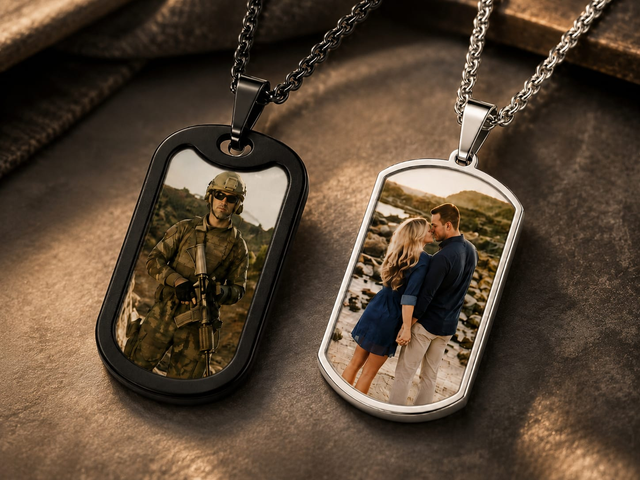
Few accessories have crossed from functional equipment into mainstream fashion as successfully as the dog tag necklace. Originally designed for identification, dog tags have developed into versatile jewelry pieces worn for style, commemoration, self-expression, and personalization.
The familiar rectangular tag remains easy to recognize, but contemporary versions now vary considerably in material, color, engraving, size, and finish. Some retain a rugged military-inspired appearance, while others are polished, minimal, decorative, or designed to carry highly personal messages.
Understanding how dog tags developed—and how they are styled today—can help buyers choose a necklace that feels meaningful without looking like a costume.
The Original Purpose of Dog Tags
Military identification tags were created to carry essential information about service members. Their purpose was practical rather than decorative: they helped identify individuals and provided important personal details when required.
The exact design and information displayed have varied between countries, military branches, and historical periods. Names, identification numbers, blood types, and other details have all appeared on different versions.
The informal term “dog tag” emerged because the identification plates resembled tags used for animals. Although the nickname became widely recognized, official military terminology differs by organization and location.
Traditional tags were designed to withstand demanding conditions. They were generally produced from durable metal, used simple lettering, and attached to chains that could be worn beneath clothing. Their plain shape, strength, and direct purpose helped establish the visual identity that later influenced civilian jewelry.
How Dog Tags Entered Popular Fashion
Military garments and accessories have influenced civilian clothing for decades. Bomber jackets, cargo pants, combat boots, field coats, and camouflage patterns all moved beyond their original functions and became familiar elements of everyday fashion.
Dog tags followed a similar path. Their compact form and industrial character appealed to people interested in military-inspired, utilitarian, punk, rock, and streetwear aesthetics.
Music, film, and celebrity fashion also contributed to their popularity. Performers and public figures began wearing tags as visible accessories, sometimes layering them with chains, pendants, or religious symbols. As the design reached a wider audience, jewelry makers started experimenting with new proportions, finishes, and decorative details.
Today, a military dog tag chain may reference the original utilitarian style while functioning primarily as a personal accessory. It can be worn with a plain T-shirt, hoodie, leather jacket, or casual button-down shirt without being connected to military service.
The Appeal of the Dog Tag Shape
The dog tag’s continued popularity is partly due to its simple geometry. Its rectangular surface provides a clear visual presence without requiring a complicated design.
Unlike small round pendants, dog tags offer enough space for multiple lines of text, symbols, numbers, or artwork. The front and back can often be customized separately, allowing one side to remain decorative while the other contains a private message.
The shape also works with many chain styles. Traditional ball chains maintain the recognizable military-inspired appearance, while curb, box, rope, or Cuban-style chains can make the pendant feel more contemporary.
Because the tag hangs vertically, it creates a clean line down the chest. This can complement the relaxed silhouettes common in men’s streetwear and casual fashion.
Traditional Ball-Chain Necklaces
The ball chain is closely associated with classic identification tags. It consists of small metal spheres connected at regular intervals, typically secured with a simple connector.
Ball chains are lightweight and flexible. Their understated appearance allows the tag to remain the main visual element. They are also easy to cut or adjust, although modifications should be made carefully to avoid creating an uncomfortable length.
This chain style works particularly well for men who want a traditional or industrial look. It pairs naturally with plain shirts, workwear, denim, utility jackets, and military-inspired outerwear.
However, ball chains may not appeal to everyone. Some wearers prefer the weight and texture of conventional interlocking links. Replacing the chain can change the entire character of the necklace while preserving the original tag.
Modern Chain Alternatives
Contemporary dog tag necklaces are frequently paired with curb, box, rope, or Cuban-style chains.
A box chain has square links and a structured appearance. Its clean geometry complements the straight edges of a dog tag. Curb chains lie relatively flat and create a familiar masculine profile. Rope chains introduce more texture and shine, while Cuban-style links can give the necklace a stronger streetwear influence.
The chain should be proportionate to the pendant. A very thin necklace may look unbalanced with a large, heavy tag. Conversely, an extremely wide chain can overpower a small pendant.
The clasp also deserves attention. A sturdy lobster clasp may be more convenient for daily use than a small spring-ring closure. Whatever the design, the chain should comfortably support the tag’s weight.
Materials Used in Modern Dog Tags
Dog tag jewelry is produced from several materials, each with different characteristics.
Stainless steel is widely used because it is durable, accessible, and relatively easy to maintain. It can be polished, brushed, blackened, or treated with gold-colored finishes. Steel also works well for engraving because it can support clear lettering and detailed designs.
Sterling silver offers a traditional precious-metal appearance. It is generally softer than stainless steel and may develop tarnish, but appropriate cleaning can restore its brightness.
Gold and gold-plated options create a warmer, more luxurious appearance. Solid gold carries a significantly higher price, while gold plating offers a similar color at a lower cost. Plated pieces require careful handling because repeated friction and chemical exposure can gradually affect the finish.
Titanium is lightweight and strong, making it useful for people who want a substantial-looking tag without excessive weight. The exact engraving and finishing options may vary depending on the grade and manufacturing process.
Buyers with metal sensitivities should review the full material description instead of relying only on general terms such as “silver-tone” or “gold-tone.”
Polished, Brushed, and Black Finishes
Surface finish changes how a dog tag interacts with light and how easily it fits into different wardrobes.
A polished tag has a bright, reflective appearance. It tends to look dressier and more noticeable, especially against black or dark clothing. Fingerprints and minor surface marks may also appear more clearly on highly polished metal.
A brushed finish creates a softer, matte texture. It often feels closer to the utilitarian origins of the dog tag and can be easier to incorporate into understated outfits.
Black finishes introduce a modern or industrial quality. They work well with monochrome streetwear, leather jackets, dark denim, and utility-inspired clothing. Black tags can also include contrasting silver or gold engraving for greater visibility.
Two-tone designs combine different metal colors or finishes. These pieces are more decorative and can help connect several accessories within an outfit.
Engraving and Personalization
The dog tag’s broad surface makes it particularly suitable for engraving. Names and initials are common choices, but personalization can extend much further.
A tag may feature a birthday, anniversary, graduation date, sporting number, personal motto, geographic coordinates, or a meaningful quotation. Some designs allow handwritten messages, fingerprints, soundwaves, or custom artwork to be reproduced.
For a private design, the front can remain simple while the engraving appears on the reverse. This allows the wearer to carry a personal message without displaying it publicly.
Customized dog tag necklaces for men engraved with important details may serve as birthday, graduation, anniversary, memorial, or achievement gifts. Their value comes from connecting a wearable object to a specific person or experience.
When choosing text, shorter is usually better. Large, clear lettering is easier to read and often looks more refined than several crowded lines.
Memorial and Commemorative Dog Tags
Dog tags can carry strong emotional meaning when used to remember a person, place, or event.
A memorial tag might include a loved one’s name, initials, birth date, or a short phrase. Some people add a photograph, fingerprint, signature, or piece of handwriting. Others choose a private symbol understood only by the wearer.
Commemorative designs can also recognize positive milestones, including graduations, promotions, athletic achievements, travel experiences, or the birth of a child.
When giving memorial jewelry, sensitivity is important. Not everyone processes loss in the same way, and a wearable reminder may feel comforting to one person but too personal to another. The giver should consider the recipient’s preferences and relationship with jewelry.
A discreet engraving on the back can make the piece more private and easier to wear in different settings.
Medical and Emergency Information
Some dog tags are used to display practical medical or emergency details. Their visible surface can carry an allergy, condition, medication, emergency contact number, or other important information.
A medical identification tag should prioritize clarity over decoration. The text needs to be accurate, legible, and organized so that essential information can be found quickly.
Anyone considering medical jewelry should consult an appropriate healthcare professional about what information to include. Space limitations may require prioritization, and personal circumstances will determine which details are most relevant.
It is also important not to assume that a decorative dog tag automatically functions as recognized medical identification. Purpose-made medical jewelry may include established symbols and layouts intended to attract attention during an emergency.
Choosing the Right Tag Size
Dog tags are available in several dimensions. A larger pendant provides more engraving space and creates a stronger visual impact, while a smaller tag offers a more discreet appearance.
The ideal size depends on the wearer’s body proportions, chain choice, and personal style. A large tag may suit someone who regularly wears bold streetwear, while a slim, compact version may be easier to combine with office or smart-casual clothing.
Weight matters as much as visible size. A thick steel tag can feel significantly heavier than a hollow or lightweight design. Product descriptions should be checked for measurements and weight whenever possible.
The edges should also be smooth. Rounded corners and properly finished surfaces help prevent the pendant from scratching the skin or catching on clothing.
Finding a Comfortable Chain Length
Chain length determines where the dog tag rests on the chest. Shorter necklaces keep the pendant near the collar, while medium and long chains create a more relaxed drop.
A medium length is often versatile for everyday use. It allows the tag to sit over a T-shirt, beneath an open shirt, or inside a hoodie. Longer chains can complement oversized streetwear but may move more during physical activity.
Use a flexible tape or piece of string to test the proposed length. Try it with several common necklines to see whether the tag remains visible and comfortable.
Remember that the pendant adds extra drop beyond the chain measurement. A chain that seems appropriate by itself may place a long tag lower than expected.
Styling a Dog Tag with Casual Clothing
A dog tag necklace works naturally with everyday basics. A plain T-shirt provides a clean background, allowing the shape and engraving to remain visible.
For a rugged casual combination, wear a brushed or black tag with dark denim, boots, and an overshirt. A traditional ball chain reinforces the utilitarian character.
For a cleaner urban look, combine a polished steel tag with a fitted black or white shirt, straight trousers, and minimal sneakers. Replacing the ball chain with a box or curb design can make the necklace feel more contemporary.
With hoodies, the tag can be worn outside the garment for a bold effect or underneath it for a subtle glimpse near the neckline. If the hoodie already includes prominent graphics and hardware, a simple tag will usually create better balance.
Incorporating Dog Tags into Smart-Casual Outfits
Dog tags can work with smart-casual clothing when their proportions and finish are restrained.
Choose a smaller tag with a clean surface and pair it with a slim chain. Wear it partially beneath an open-collar shirt rather than fully over the fabric. This allows the accessory to add detail without becoming the center of the outfit.
Neutral colors such as black, navy, gray, cream, and olive create a sophisticated background. A brushed finish may feel less flashy than polished metal, while a simple engraving maintains a refined appearance.
Avoid combining a large military-style tag with a formal suit unless the necklace carries personal significance and is intended to remain beneath the shirt.
Layering Dog Tags with Other Chains
Layering adds depth, but each necklace needs enough space to remain visible. Pair a longer dog tag necklace with a shorter, simpler chain. The difference in length prevents the pendants and links from gathering in one area.
The supporting chain should usually be lighter than the dog tag arrangement. Two large pendants can compete and may tangle during movement.
Metal colors do not have to match exactly, but the combination should feel deliberate. A silver tag can work with a black chain, particularly when both tones appear elsewhere in the outfit.
Two necklaces are generally sufficient for everyday styling. Additional layers may work for expressive streetwear, but they require closer attention to spacing and weight.
Respecting the Military Meaning
Because dog tags have a strong connection to military service, context matters. Fashion versions should not be presented as authentic service identification when they are not.
Wearing a decorative tag does not necessarily imply military experience, particularly when the piece is clearly customized or styled as jewelry. However, reproducing official information, unit details, insignia, or medals can carry additional significance.
Those interested in historical or military-inspired designs should approach the subject respectfully. Learning about the origins of the accessory helps distinguish appreciation from misrepresentation.
Personalized civilian tags can retain the practical, minimal character of the original design without making claims about service or identity.
Proofreading a Custom Engraving
Personalized jewelry is often made to order and may not be returnable. Every detail should be checked before confirming the purchase.
Review names, numbers, dates, punctuation, capitalization, and line breaks. If geographic coordinates or Roman numerals are used, verify them independently.
Check whether spaces count toward the engraving limit and whether the selected font supports special characters. A preview should be examined carefully, but it may not always represent the final size exactly.
Asking another person to proofread the text is a simple way to catch mistakes. A small error can be particularly noticeable on a minimal metal surface.
Caring for a Dog Tag Necklace
Regular care helps preserve both the tag and its engraving. Wipe the necklace with a soft, dry cloth after wearing it to remove perspiration, skin oils, and residue.
Store it separately from other jewelry to reduce scratching. If the necklace includes a pendant with a polished surface, avoid placing it directly against rough metal pieces.
Apply fragrance, lotion, and hair products before putting on the necklace. Allow them to dry so that less residue transfers to the metal.
Cleaning methods should match the material. Stainless steel, sterling silver, solid gold, plated metal, and coated black finishes require different treatment. Abrasive cleaners can damage plating or alter surface textures, so the manufacturer’s instructions should be followed.
Removing the necklace before swimming, showering, sleeping, or intense exercise can help limit exposure to moisture, chemicals, sweat, and friction.
A Design That Continues to Evolve
The dog tag necklace has changed considerably since its introduction as a form of practical identification. Its military origins remain an important part of its story, but contemporary versions now serve many different purposes.
Some wearers choose dog tags for their rugged,minimalist appearance. Others use them to carry names, dates, messages, medical details, or reminders of significant people and events. Changes in chains, materials, finishes, and engraving methods have allowed the familiar shape to adapt to a wide range of personal styles.
A thoughtfully chosen dog tag can be both visually distinctive and deeply personal. By considering its size, material, chain, engraving, and historical context, wearers can select a piece that respects the design’s origins while making it relevant to modern life.
