EchoAPI vs. Insomnia: A Comprehensive Comparison with Practical Examples
In the realm of API development, having robust tools for debugging, testing, and documenting your APIs is crucial. EchoAPI and Insomnia are two prominent players in this space, each offering unique features and capabilities. This article will introduce both tools, compare their functionalities and advantages, provide practical examples, and offer guidance on when to choose EchoAPI over Insomnia and vice versa.

Introduction to EchoAPI and Insomnia
EchoAPI
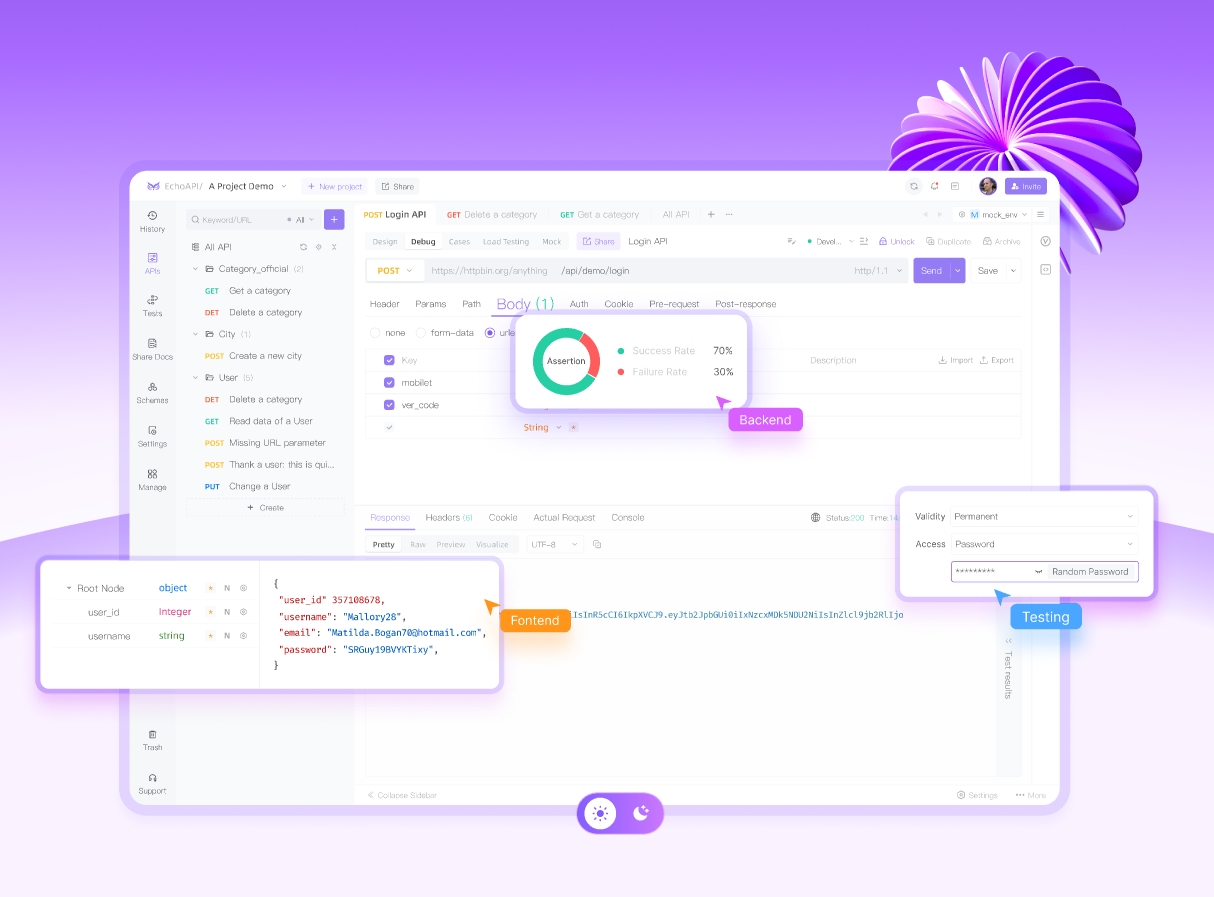
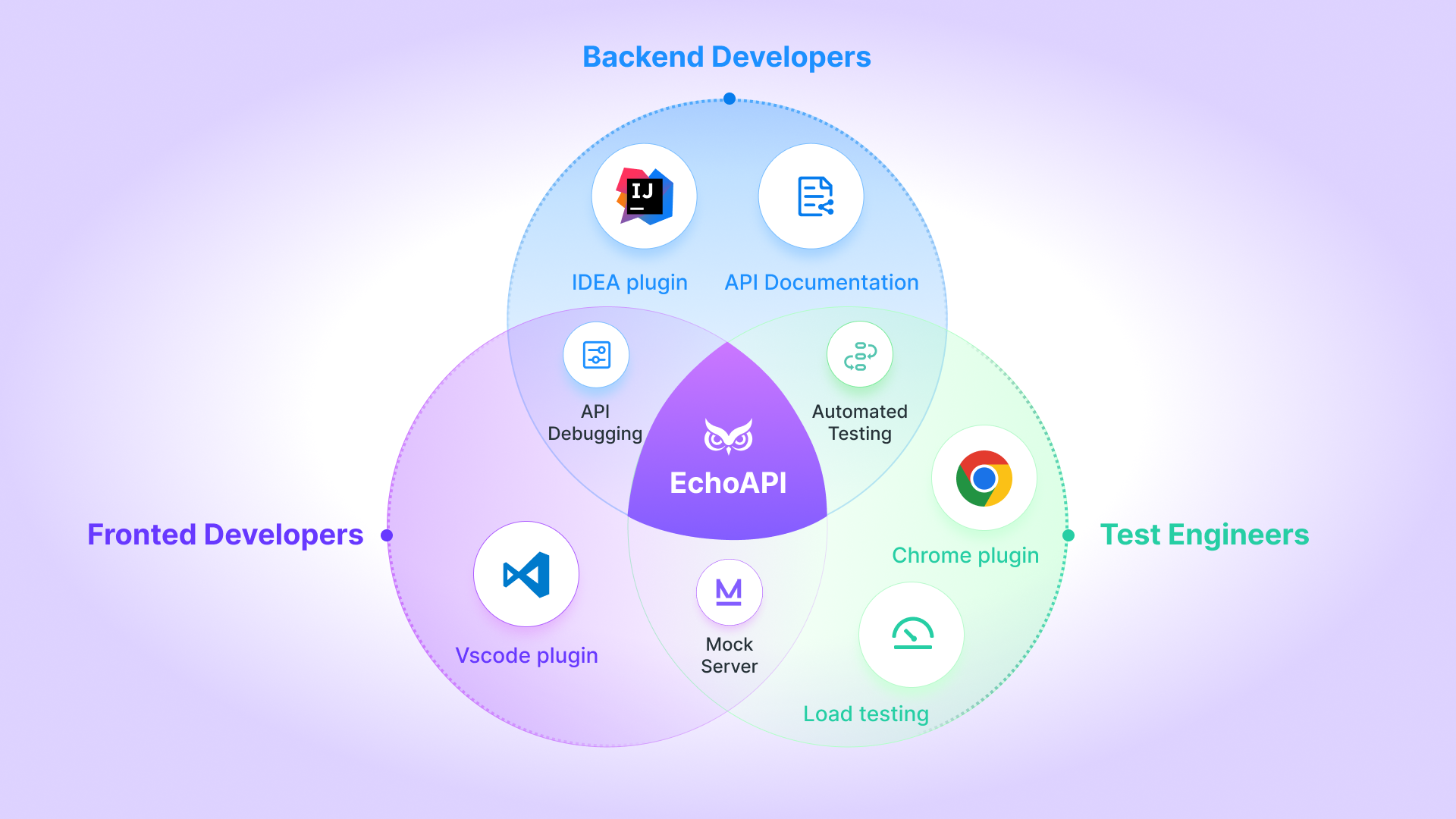
EchoAPI is a powerful API debugging tool known for its comprehensive functionality. It supports API testing, automated testing, load testing, and effortless one-click API documentation generation. EchoAPI also provides a variety of plugins:
- EchoAPI Interceptor (Chrome Extension): No login required, captures web page APIs, allows parameter modification, and syncs with EchoAPI.
- EchoAPI for IntelliJ IDEA: Java plugin for directly generating, modifying, and debugging interfaces from code.
- EchoAPI for VS Code: Enables adding, modifying, and debugging APIs, including pre and post-scripts, visual assertions, and automated tests.
Insomnia
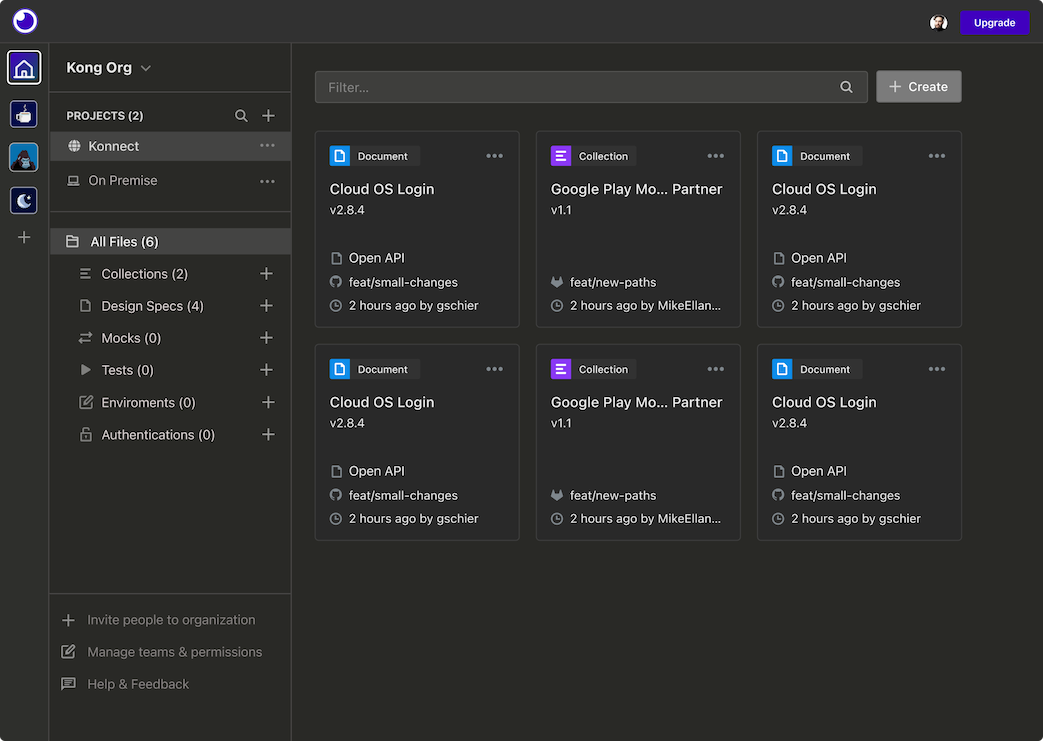
Insomnia is another powerful tool designed for RESTful APIs and GraphQL. Insomnia focuses heavily on simplicity and user experience, providing a straightforward interface for managing requests, environments, and API documentation generation.
Feature Comparison with Practical Examples
Let's delve into a detailed comparison of EchoAPI and Insomnia based on key functionalities, illustrating each with practical examples:
1. API Debugging and Testing
-
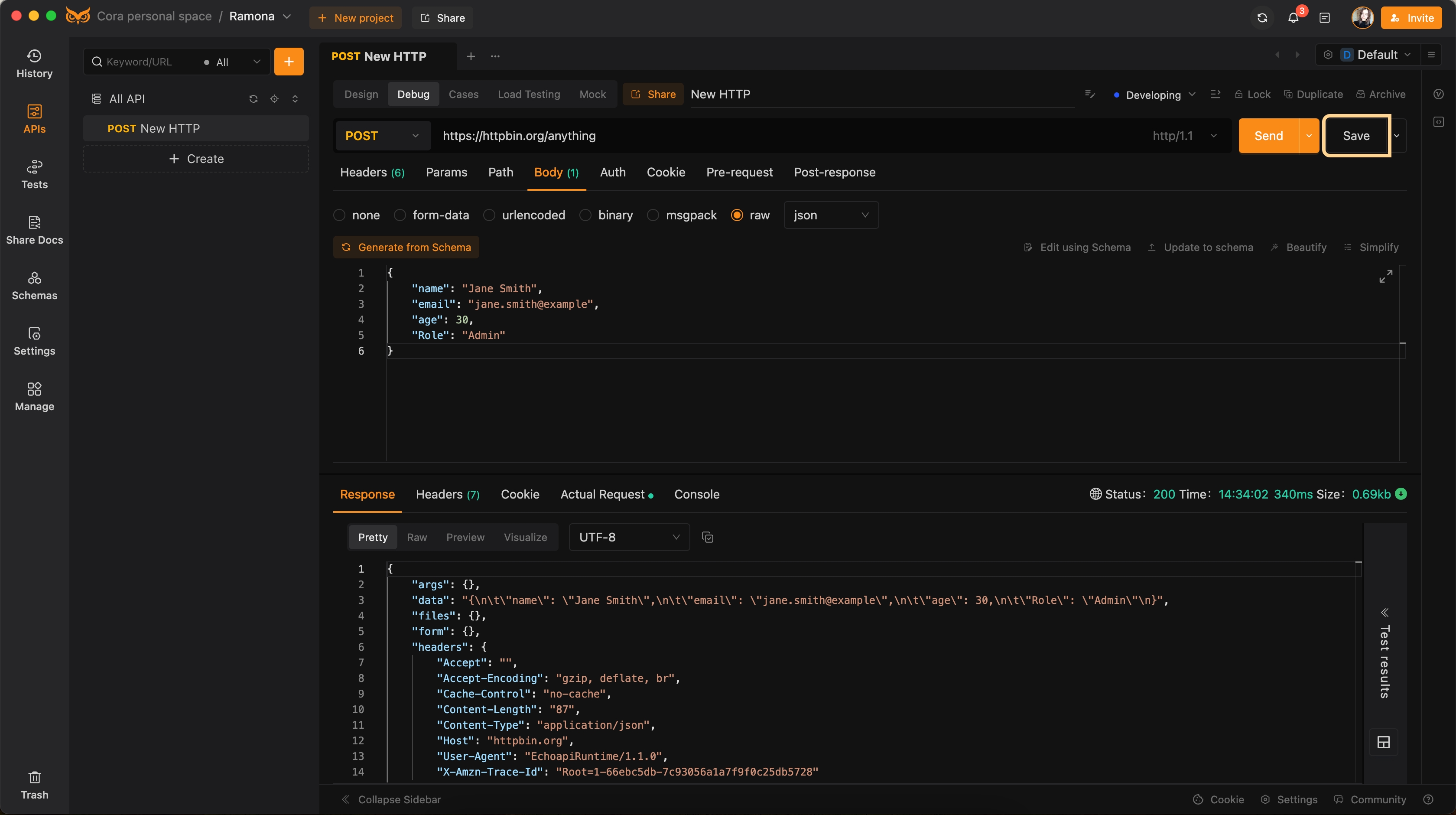
EchoAPI: EchoAPI is designed to be both user-friendly and visually appealing, providing a smooth and intuitive interface for managing and testing your APIs. You can effortlessly create and send API requests from the interface, adjusting parameters to test different scenarios, ensuring that your API functions correctly under various conditions.
Example:
-
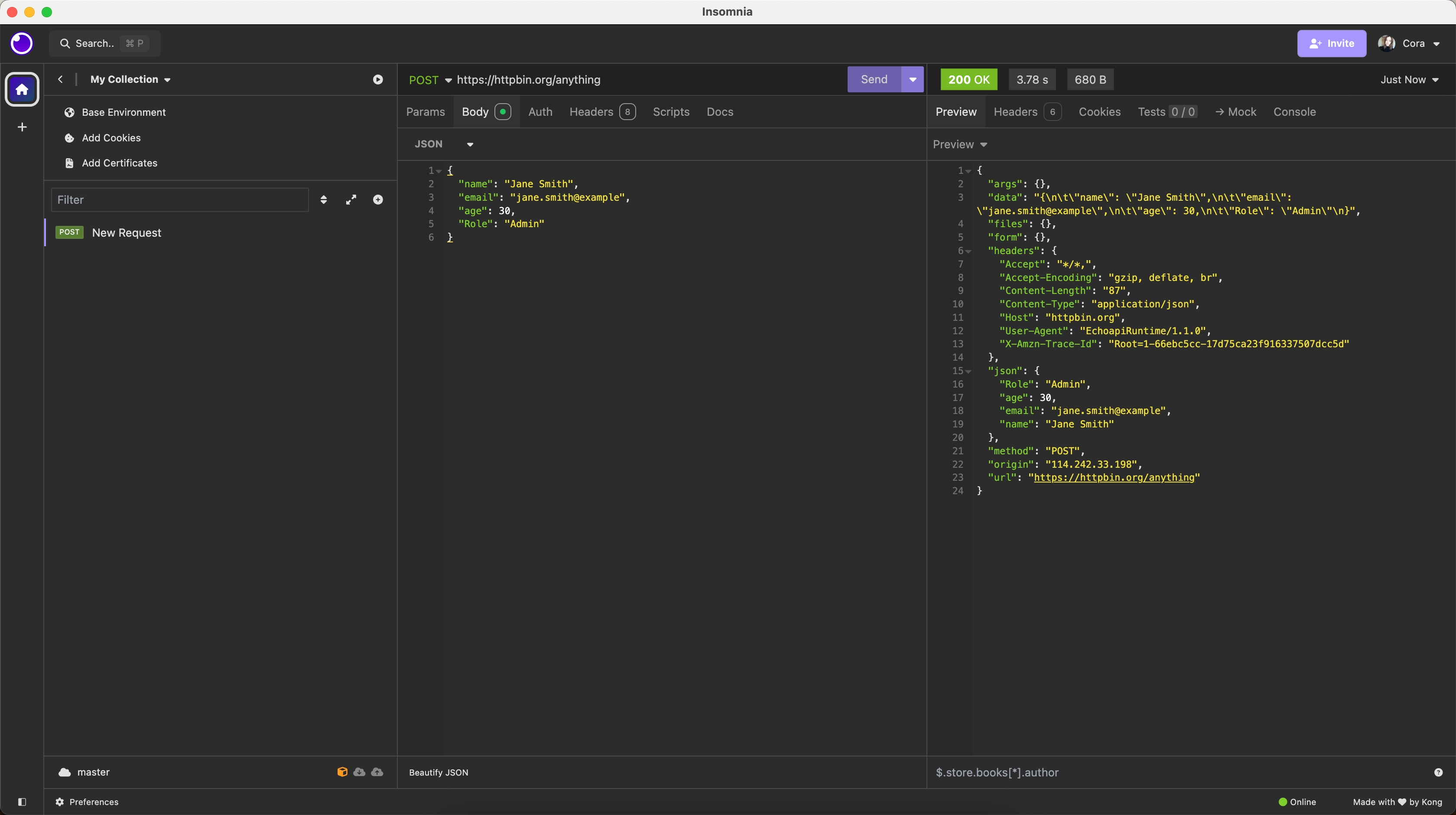
Insomnia: Suppose you are developing a user management RESTful API. In Insomnia, you can easily create requests to add, update, or delete users. The environment variables feature allows you to switch between different environments, such as development, testing, and production, with just a click.
Example:
2. Automated Testing
-
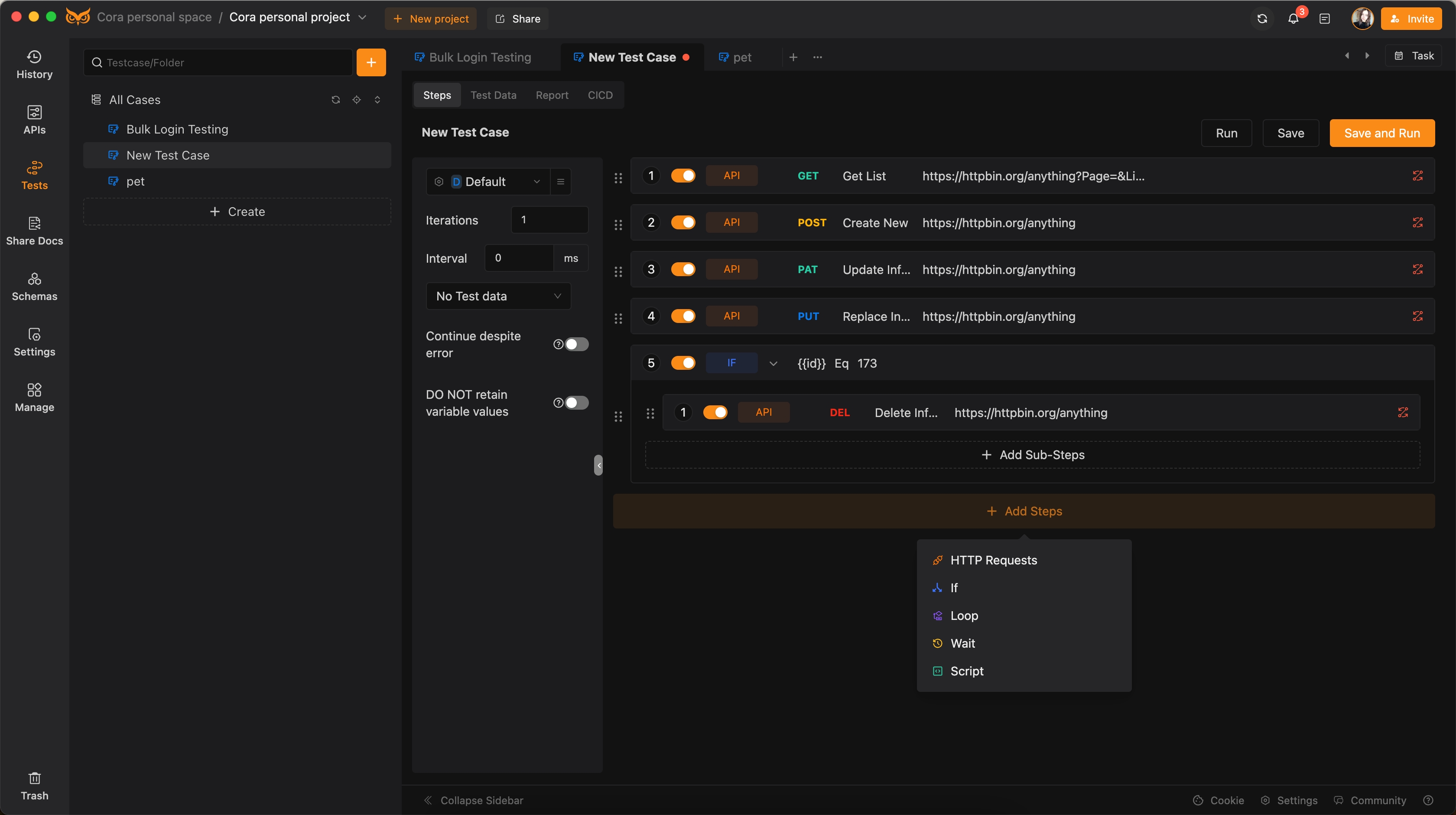
EchoAPI: Let's say you have an API that fetches user data. You want to ensure it performs correctly under various conditions. With EchoAPI's automated testing feature, you can write pre and post-scripts to set up and validate tests. Visual assertions enable you to check if the response meets the expected conditions.
Example:
-
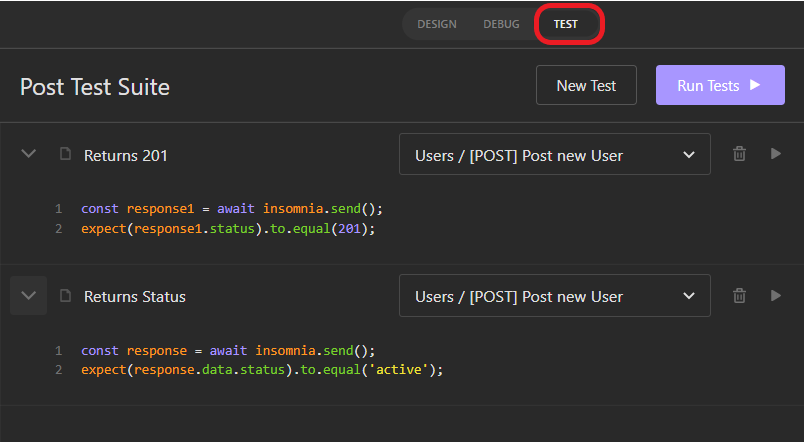
Insomnia: Automated testing can be achieved through plugins or by integrating with third-party tools like Jenkins. You can write custom tests within the "Test" tab of a request, allowing you to automatically validate responses.
Example:
3. Load Testing
-
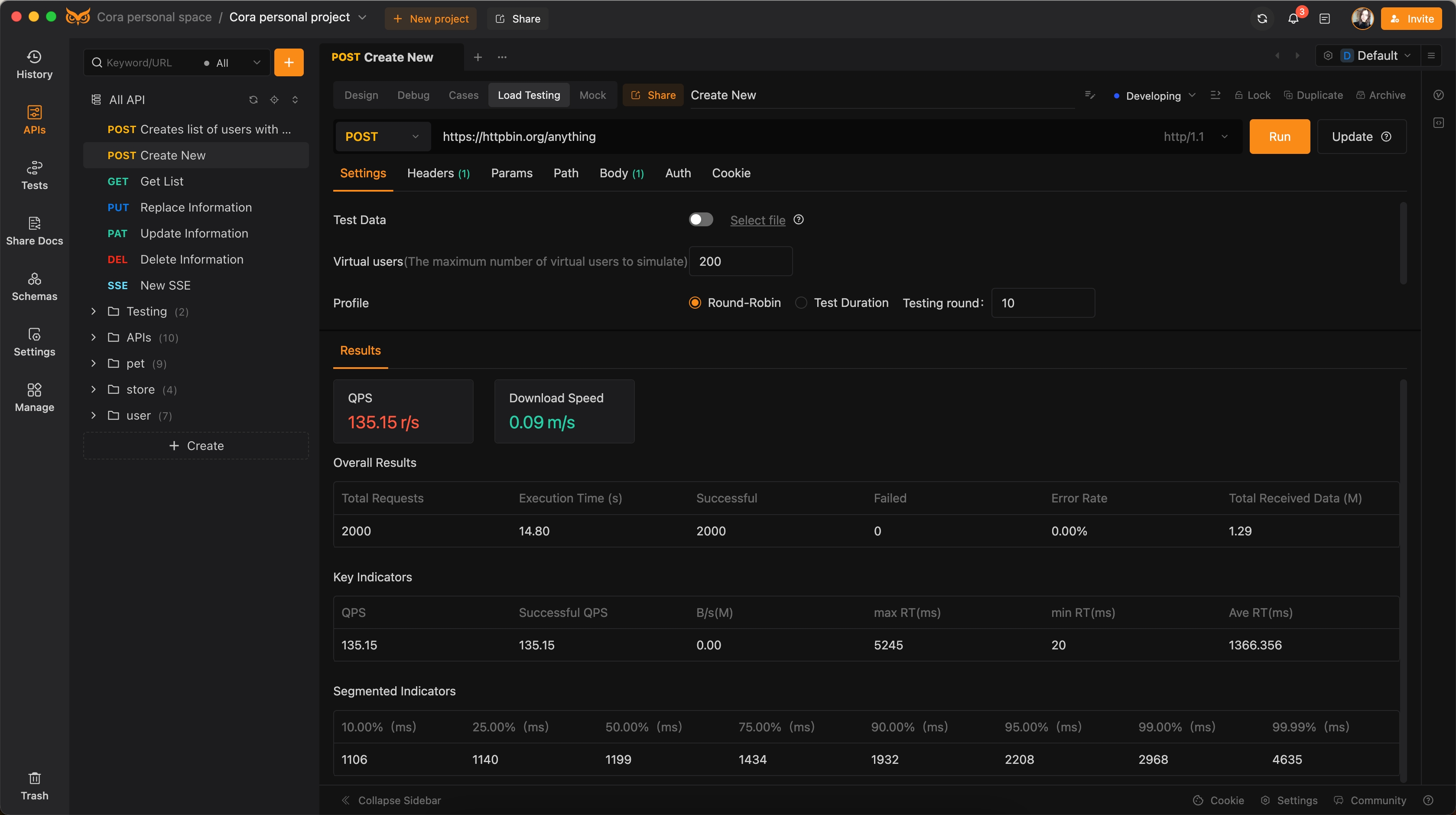
EchoAPI: Suppose you want to test the load capacity of your API, EchoAPI offers built-in load testing, enabling you to simulate multiple requests and evaluate how your API performs under heavy traffic.
Example:
-
Insomnia: Insomnia does not have built-in load testing capabilities. However, you can export your requests and use tools like
k6or Apache JMeter for load testing.Example with k6:
import http from 'k6/http';
import { check } from 'k6';

export let options = {
  stages: [
    { duration: '1m', target: 100 },
    { duration: '1m', target: 200 },
    { duration: '1m', target: 0 }
  ]
};

export default function() {
  let res = http.get('https://api.example.com/users');
  check(res, { 'status was 200': (r) => r.status == 200 });
}
4. API Documentation
-
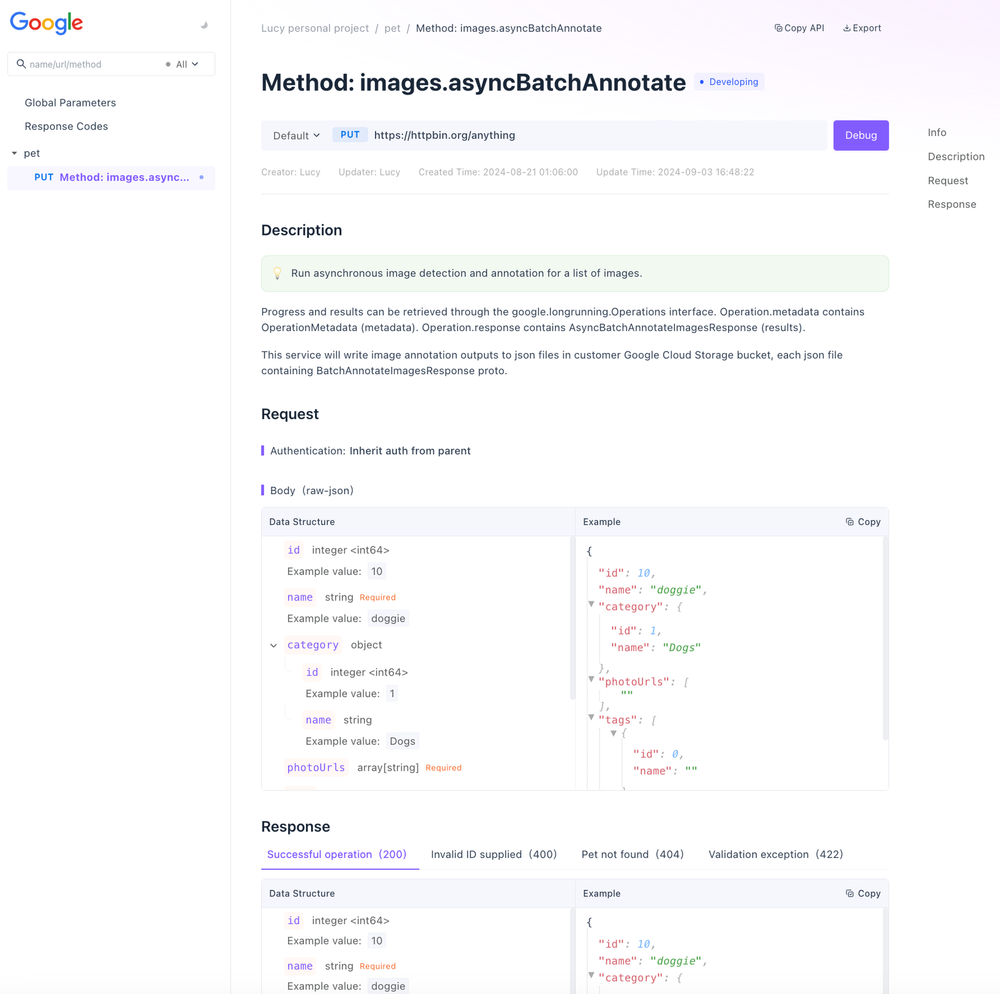
EchoAPI: EchoAPI makes it easy to generate complete API documentation. With just one click, you can create and share API documentation directly from your project using the "Share" feature, ensuring that your team or clients always have the most up-to-date API information with minimal effort.
Example:
-
Insomnia: You can create detailed API documentation within Insomnia, which is easy to generate and share. However, keeping it synchronized with your codebase might require additional manual steps.
Example:
// Insomnia API documentation snippet
{
  "name": "User Service API",
  "requests": [
    {
      "method": "GET",
      "url": "{{ base_url }}/users",
      "description": "Fetch all users"
    },
    {
      "method": "POST",
      "url": "{{ base_url }}/users",
      "description": "Create a new user",
      "body": {
        "username": "new_user",
        "email": "[email protected]"
      }
    }
  ]
}
When to Use Insomnia
Insomnia is an excellent choice when:
- You Need GraphQL Support: Insomnia excels in GraphQL management, making it ideal for projects heavily utilizing GraphQL APIs.
- Simplicity and Ease of Use Are Critical: If your primary requirement is a straightforward, intuitive tool for managing RESTful requests with minimal setup, Insomnia is very effective.
- Environment Management: Insomnia's robust environment management is particularly useful for projects with multiple stages (development, testing, production).
When to Use EchoAPI
EchoAPI is a better fit when:
- You Require Offline Capabilities: EchoAPI’s plugins for IDEs and browsers work smoothly without constant internet access, making it ideal for secure or restricted environments.
- Integrated Automated and Load Testing: EchoAPI comes with built-in automated testing and load testing features, eliminating the need for external tools.
- Development Environment Integration: EchoAPI’s robust plugins for IntelliJ IDEA and VS Code enable effortless API debugging and testing directly within your code, saving valuable time.
- One-Click API Documentation: EchoAPI streamlines the creation and maintenance of API documentation, ensuring it stays up-to-date and easy to access.
Conclusion
Both EchoAPI and Insomnia are powerful tools that cater to different aspects of API development. Insomnia excels in providing a simple, user-friendly interface with strong environment management and GraphQL support. On the other hand, EchoAPI offers a comprehensive suite of features including automated testing, load testing, and deep integration with development environments, all while being lightweight and easy to use offline.
Choosing between EchoAPI and Insomnia depends on your specific needs:
- Opt for EchoAPI if you require a robust tool that integrates well with your development workflow and provides extensive testing and documentation capabilities.
- Choose Insomnia if you need a straightforward, easy-to-use tool that supports GraphQL and focuses on simplicity and efficiency.
By understanding the strengths of each tool and leveraging the practical examples provided, you can select the best one to enhance your API development, ensuring efficiency, reliability, and ease of use. Happy API testing!
