Electrical Panel Upgrades for Older Homes in Northeast Pennsylvania
Many homes across Northeast Pennsylvania are still running on the same electrical panel that was installed when the house was built. Some of these panels are more than fifty years old. As families add more appliances, electronics, and devices, an old panel can struggle to keep up. This can lead to tripped breakers, flickering lights, and in some cases, a real fire risk. Bee Lectric works with homeowners across the region who are dealing with exactly this problem. This guide covers the warning signs, what an upgrade actually involves, and how to know when it is time to make the switch.
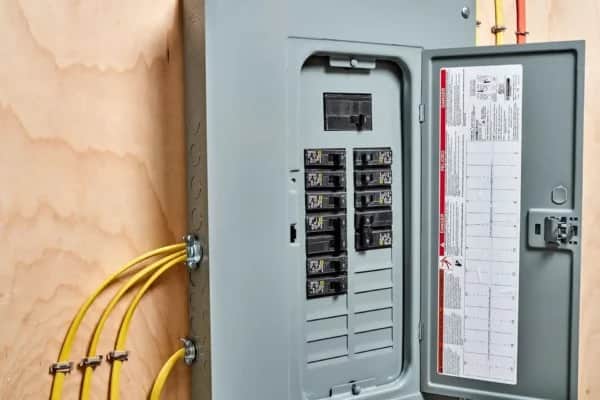
Why So Many NEPA Homes Still Have Outdated Electrical Panels
Northeast Pennsylvania has a lot of older housing stock, especially in towns that grew up around mining and manufacturing. Many of these homes were built decades before modern appliances, air conditioning, and electronics became standard in every household. A panel that was considered plenty back then often cannot handle what a modern home actually needs today. Electricians across the region see this pattern constantly on service calls, especially in homes that have never had an upgrade since they were built. Fuse boxes and small panels rated for 60 amps or less are still common finds in older NEPA neighborhoods. These panels were never designed for the number of devices, chargers, and appliances that a typical household plugs in today.
Signs Your Electrical Panel Needs to Be Upgraded
A few warning signs tend to show up before a panel becomes a real problem. Homeowners should pay attention if they notice any of the following:
Breakers trip often, even during normal daily use
Lights flicker or dim when appliances turn on
A burning smell comes from near the panel
The home still has a fuse box instead of circuit breakers
The panel feels warm or hot to the touch
An insurance company has flagged the panel during an inspection
Major appliances or a home addition are being planned
Any one of these signs on its own is worth a closer look. More than one together usually means it is time to call a professional.
What Happens During a Panel Upgrade
A panel upgrade starts with an inspection to see what the home actually needs. From there, a licensed electrician pulls the required permit and coordinates with the local utility company, since power to the home has to be shut off during the swap. The old panel is removed and replaced with a new one rated for the home's actual electrical load. New breakers are installed for every circuit in the house, and everything is checked against current code before the job is considered done. Bee Lectric's electrical panel upgrade service handles the entire process from the first inspection through the final code check, so homeowners are not left figuring out permits or utility coordination on their own. Most upgrades are completed in a single day, though older homes with more involved wiring can sometimes take a bit longer. Once the new panel is in place, an electrician will walk through the home to confirm every circuit is labeled and working the way it should.
How Much Amperage Does a Modern Home Actually Need
Amperage is simply a measure of how much electricity a panel can safely handle at once. A 100 amp panel is generally considered the bare minimum for a home today, and many older properties still have less than that. A 200 amp panel has become the standard for most homes, especially larger ones or those with central air conditioning. Homes planning to add an EV charger, a hot tub, or a large addition often need even more capacity than a standard 200 amp setup provides. The right amperage depends on the size of the home and everything that needs to run off the panel at the same time. A licensed electrician can calculate this based on the home's actual layout and appliances rather than guessing.
Panel Upgrade Safety Risks Homeowners Should Know About
Some older panel brands have a known history of failing to trip during an overload, which defeats the entire purpose of a breaker. Homes with these panels are often flagged during inspections or when a homeowner applies for insurance. Beyond specific brands, any panel that is significantly overloaded for the home's actual power use becomes a fire risk over time. Old wiring paired with a newer panel can also create compatibility issues if the rest of the home's electrical system was never updated. A professional inspection is the only reliable way to know whether a specific home falls into any of these categories.
What to Expect Before Scheduling a Panel Upgrade
Every upgrade starts with an inspection so the electrician can see the current panel, the home's wiring, and what the household actually needs. Once a plan is in place, a permit is pulled before any work begins, since panel upgrades are not a job that skips code requirements. Homeowners should expect power to be off for part of the day during the actual swap. Only a licensed electrician should perform this work, both for safety and because most local codes require it.
Common Questions About Electrical Panel Upgrades
How long does a panel upgrade take? Most residential panel upgrades are completed in a single day. Homes with more complex wiring or additional code issues may take a bit longer.
Do I need a permit to upgrade my electrical panel? Yes. A panel upgrade requires an electrical permit and inspection in almost every case. A licensed electrician handles this as part of the job.
Will my power be off during the upgrade? Yes, power to the home is turned off for part of the day while the old panel is removed and the new one is installed and connected.
How do I know what amperage my home needs? An electrician can calculate this based on the size of the home and the appliances and systems that need to run at the same time. Guessing at amperage can lead to a panel that is still undersized.
Can an old panel really be a fire hazard? Yes. An overloaded or outdated panel is one of the more common electrical fire risks in older homes, especially when breakers no longer trip the way they are supposed to.
Is It Time to Upgrade Your Panel?
An outdated panel does not usually cause problems until it does, and by then it is often an emergency instead of a planned upgrade. If your home is showing any of the warning signs covered here, it is worth having a professional take a look before a small issue turns into a bigger one. Bee Lectric helps homeowners across Northeast Pennsylvania upgrade outdated panels safely and get their home's electrical system ready for modern demands. Call (570) 525-5908 today to schedule an inspection and find out what your home actually needs.

