Everything You Need to Know About Turning Collectibles into Cash
Many people reach a point where their collectibles feel ready for a new home and a profit. Selling them can be simple once you know the options available. Direct sales let you deal with buyers who already understand the value of what you own. Online marketplaces reach wider audiences and help niche items find the right match.
Trade-in programs offer quick payouts for categories such as trading cards, games, and certain hobby items. Consignment services handle most of the work when you prefer a guided approach. Each path can work well, and understanding how they differ sets the stage for smart decisions.
Understanding the Real Market Value of Your Collectibles
Clear pricing starts with research. Value rises or falls based on demand, rarity, condition, and brand history. Items with dedicated communities usually stand out because buyers already know what they want. Scarce pieces gain momentum when the right collectors notice them, though realistic expectations matter.
Price guides, online communities, and hobby-specific resources add context when your item sits in a specialized category. Professional appraisals help when you deal with antiques, high-end memorabilia, or limited releases. These evaluations create a dependable benchmark and make your next steps easier to plan.
Choosing the Right Place to Sell Collectibles
Each selling channel brings different advantages, so choosing the right one shapes both your experience and your earnings. Local stores create fast transactions and let you speak with someone who already understands the market. Online platforms give you broader visibility, which helps when your collectible attracts national or international interest.
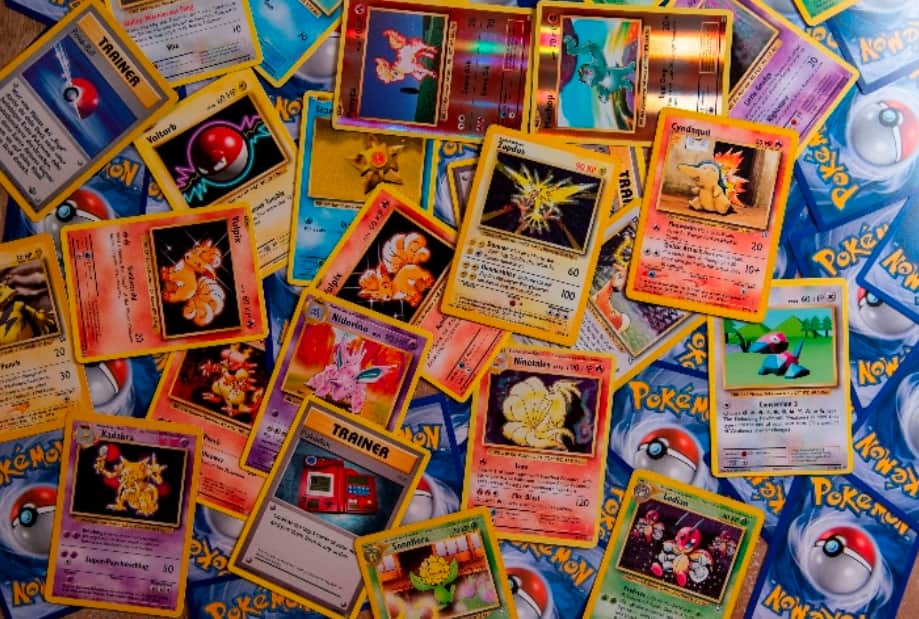
Specialty retailers stand out when your item fits a focused category. Pokémon cards, for example, offer a clear look at how niche markets operate, as many shops and online buyers follow them closely. If you’re wondering where to sell Pokemon cards, you’ll find established retailers that specialize in trading items and collectibles. These retailers often provide in-person evaluations and same-day payouts, which removes uncertainty and makes the selling process faster and more transparent.
Preparing Your Collectibles for Sale
Good preparation increases buyer confidence. Gentle cleaning brings out the best features without risking damage. Secure storage keeps the item safe until it sells. Many collectibles gain value when original packaging or authentication materials are included, so gathering those pieces makes your listing stronger.
Proper organization matters when you handle sets, series, or multiple variations. Careful presentation signals that the item has been well-maintained, which helps buyers trust your listing.
Building Attractive Listings That Capture Buyer Attention
Clear communication supports every good listing. Descriptions should explain what makes the item appealing, note any flaws, and offer simple details that help buyers evaluate condition. Photos play an equally important role. Sharp images that show multiple angles remove uncertainty and encourage potential buyers to move forward.
Highlights about history, features, or unique qualities work well when they stay honest and easy to understand. Pricing should reflect market research while leaving room for negotiations based on interest.
Managing Negotiations and Setting Realistic Expectations
Negotiations feel easier when you approach them with awareness of market conditions. Fair offers reflect what you already observed in your research. Staying open to discussion helps you secure suitable results without feeling pressured.
Clear communication keeps conversations productive, especially when buyers ask follow-up questions. Patience often leads to better outcomes because the right buyer may take time to appear. The goal is to find a reasonable balance between a solid return and a comfortable selling experience.
Navigating Shipping, Insurance, and Safe Transactions
Shipping becomes a key part of the selling process once your item finds a buyer. Careful packaging protects fragile or high-value pieces and keeps them secure throughout transit. Soft padding, sturdy boxes, and proper sealing reduce the risk of damage. Shipping insurance becomes helpful when you handle rare or expensive collectibles.
This small step protects both you and the buyer in case something unexpected happens during delivery. Reliable carriers offer tracking features that keep everyone informed, which builds trust and keeps conversations simple.
Knowing When to Use Auctions or Consignment Services
Some collectibles benefit from a selling method that goes beyond standard listings. Auctions attract buyers who enjoy competing for rare or sought-after items. Strong demand can push prices upward, which makes auctions appealing when you believe your collectible will draw attention.
Consignment services work well when you prefer assistance with pricing, presentation, and negotiations. Stores or online sellers handle most of the process, leaving you free from the daily work of managing inquiries. Each option comes with fees, so understanding the structure helps you avoid surprises. Auctions may charge listing fees or a percentage of the final sale.
Tracking Trends and Planning Future Selling Strategies
Trends shift over time, and collectibles often move through cycles of rising and cooling interest. Staying aware of these rhythms helps you decide the best moments to sell. Hobby communities, discussion groups, and market reports reveal patterns that guide your timing. Some categories gain momentum during movie releases, game launches, seasonal events, or anniversaries. Others follow slower, long-term growth driven by nostalgia or cultural relevance.
Organizing your collection and keeping notes on past sales creates a useful reference for future decisions. Patterns begin to show which items hold steady value and which ones spike during certain periods. This awareness helps you choose when to keep, trade, or sell with confidence.
Turning collectibles into cash becomes much easier when you understand the landscape. Valuation, preparation, and marketplace selection shape your results more than many people expect. Each step builds toward a smoother transaction and a fair return. Collectors who research their options tend to feel more confident because they approach the process with clarity instead of guesswork.
Good timing, honest communication, and practical safety measures contribute to a positive experience for both you and the buyer. Every collectible has its own story, and selling it becomes a continuation of that story in a new direction. A thoughtful approach helps you reach the outcome you want while treating your pieces with the care they deserve.

