Expert Tips for Creating Personalized Content That Builds Brand Loyalty
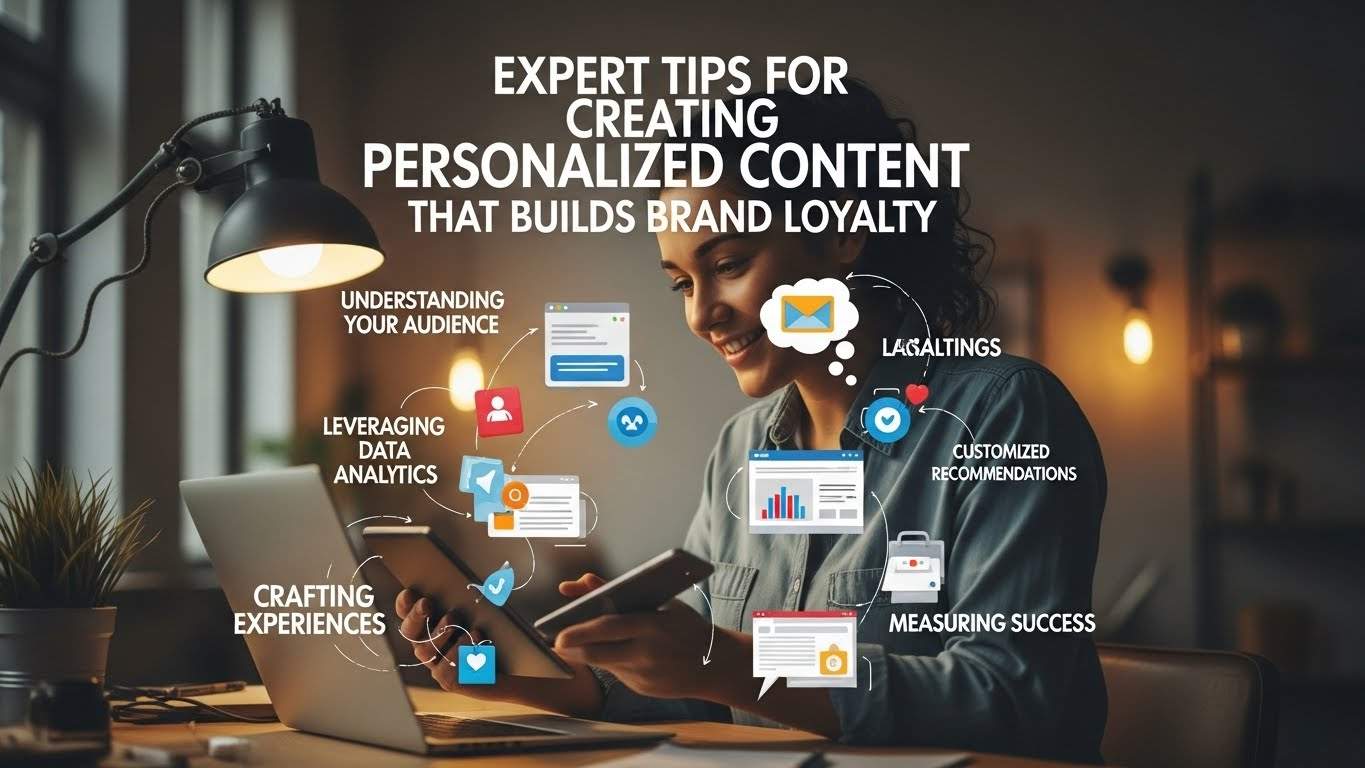
In recent years, personalization has been the key to the success of businesses that thrive online. But still, businesses can not effectively use personalized content experiences for building trust and increasing conversions. This is because each customer is unique, having their own platform preferences, times of participation, and types of content they are interested in. Brands find it difficult to understand these preferences and deliver the experience that customers expect.
A solution to this challenge is to engage customers at every stage of their buying journey using powerful personalization tools. They give a solid view of client behavior at each phase of the purchasing funnel and show different means of improving user engagement through personalized experiences. By removing doubts and rapidly offering clients access to relevant materials, this can readily increase user engagement and revenue.
Personalized Content Experiences: An Essential for Today’s Businesses
Online clientele has a wide variety of products to choose from, and is quickly able to change. This indicates that businesses must collect relevant information to give a relevant experience to clients, to keep them engaged.
Personalizing content is not merely addressing the client by name and making product suggestions. Customers are more and more used to the requirement that every step of the purchasing process be personalized. Individualized suggestions, promotional materials, and information in various formats, such as email, overlays, pop-ups, landing sites, and call-to-action sections, are all included in this.
When organizations offer personalized content experiences that are realistic, current, and relevant across a range of platforms, they can establish new, genuine connections with customers. This, in turn, encourages repeat business and boosts sales.
Best Strategies to Build Loyalty with Personalized Content Experiences
For businesses to succeed in the digital era, their personalization tactics must be more focused. At every stage of interaction, they need to distribute content that directly engages people. The seven expert tips below to deliver personalized content experiences can help brands forge closer ties with their clients and encourage enduring loyalty.
1. Displaying the Most Popular Content
One of the popular strategies used by brands to provide personalized content experiences is to recommend the most popular material to each site visitor. Businesses can establish a number of these content groups according to criteria such as product category and recommend them to consumers who might find them useful.
The total number of page views or unique visitors that a piece of content receives is typically used to determine which content group is most seen. This approach works particularly well for attracting new visitors.
2. Suggestions for Related Content
Unlike popular content recommendations, which create content groups on specific categories, associated content suggestions focus on each individual’s current interests. It is one of the most effective ways to give new visitors personalized content experiences. For instance, businesses can monitor a new user's initial interactions with the website and offer related content as additional recommendations to improve their experience. This is also beneficial when creating original and captivating themes for audiences.
3. Last-Viewed Content-Based Recommendations
When businesses present returning customers with the content they left behind during their last visit, they can significantly improve engagement. They can employ AI-based engines to monitor past data and present returning users with the most recently seen information first. The recommendations are typically derived from looking at records from the previous week, month, or specified period of time. This reduces the search time, improves satisfaction, and increases the chances of repeated visits.
4. Providing Hyper-Personalized Content Experiences
Users of today anticipate highly customized experiences on all digital platforms. Businesses must go beyond demographic data to better understand customers and deliver hyper-personalized content experiences. They can utilize content recommendation systems to look at users’ search terms, geography, past purchases, and social media activity. This enables companies to better understand customers’ position in the buying journey and to provide relevant content that assists in progressing further.
5. Content Suggestions Using Common Characteristics
AI-powered content recommendation systems are able to look at vast amounts of client data and look for commonalities among them. Businesses can take advantage of this data and provide personalized content experiences based on the things that other people have looked at. This method will enable businesses to expose their customers to new product lines that they may not think of initially.
6. Hyper-local Content Suggestions
When brands create hyper-local content, they tap into the distinctive qualities of specific communities, cultures, and local interests. This approach allows them to resonate more deeply with their audience, making customers feel recognized and valued, which in turn can increase engagement and boost conversion rates.
Bottom Line
Personalized content experiences are a vital part of today’s business, as they increase ROI and additionally, engagement. Identification of target audience, setting corporate targets, and the implementation of best practices, businesses can establish a more meaningful connection with their clientele.
In the future, more consumer touchpoints and improved AI data will power a more individualized customer experience. Businesses that put greater emphasis on the desires of consumers, continue improving on their strategies, while at the same time ensuring that their experiences are meaningful to those consumers, will only build greater relationships with their clients, engender trust, and build their businesses through the years.

