FIFA World Cup 2026 Ball Made in Which Country?
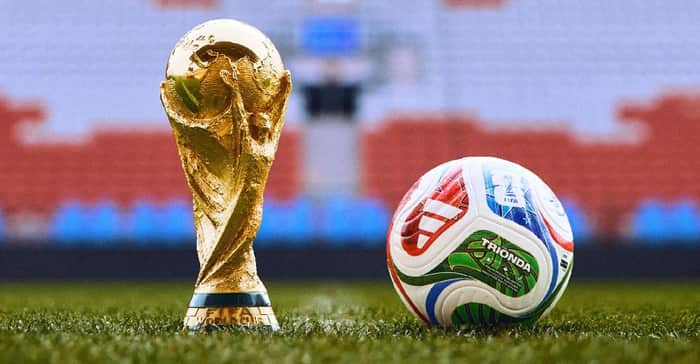
The FIFA World Cup is the most prestigious football tournament in the world, capturing the attention of millions of fans across the globe. Every aspect of the tournament is closely followed, from the teams and players to the stadiums and even the official match ball. As the FIFA World Cup 2026 approaches, many people are curious about one important detail: where is the official World Cup ball made? This question highlights not only the production process but also the global collaboration behind one of football’s most essential elements.
The Role of Adidas
The official match ball for the 2026 World Cup is produced by Adidas, a globally recognized sports brand. Adidas has been the official supplier of FIFA World Cup balls since 1970 and has consistently introduced new designs and technologies over the years. The company is responsible for creating the concept, design, and advanced features of the ball. Their research and development teams work extensively to ensure the ball meets the highest standards of performance, durability, and accuracy.
Manufacturing in Pakistan
While Adidas handles the design and innovation, the actual manufacturing of the ball is usually carried out in Pakistan, particularly in the city of Sialkot. Sialkot is known worldwide as a major center for sports goods manufacturing, especially footballs. For decades, this city has been producing high-quality footballs that are used in international matches and tournaments.
The workers in Sialkot are highly skilled and experienced. Their craftsmanship ensures that each football is made with precision and care. Even with modern manufacturing techniques, the expertise of these workers remains a key factor in producing world-class footballs.
Why Sialkot Is Important
Sialkot holds a unique position in the global football industry. A significant portion of the world’s footballs are produced in this city. The region has a long history of sports manufacturing, and its reputation for quality has made it a trusted partner for international brands like Adidas.
The factories in Sialkot follow strict quality control measures to meet international standards. This ensures that the footballs used in major tournaments like the World Cup perform consistently on the field. The combination of traditional skills and modern technology makes Sialkot an ideal location for manufacturing.
Technology and Innovation
The 2026 World Cup ball is expected to include advanced technology. Modern footballs are designed with thermally bonded panels, which improve aerodynamics and reduce water absorption. This helps the ball maintain its shape and performance in different weather conditions.
In recent years, connected ball technology has also been introduced. This involves placing sensors inside the ball to provide real-time data during matches. Such innovations help referees make accurate decisions and enhance the overall fairness of the game. Adidas continues to lead in developing these cutting-edge features.
Global Collaboration
Although Pakistan plays a major role in manufacturing, the production process is part of a global effort. Design and innovation may take place in Europe, while manufacturing happens in Asia. This collaboration ensures that the final product meets the highest standards of quality and performance.
In some cases, additional production may also occur in countries like China. However, Pakistan remains one of the most important and trusted locations for football manufacturing, especially for high-quality match balls.
Conclusion
In conclusion, the official ball of the FIFA World Cup 2026 is designed and developed by Adidas but is most likely manufactured in Pakistan, particularly in the city of Sialkot. This highlights Pakistan’s significant contribution to the global football industry. The World Cup ball represents a blend of innovation, technology, and skilled craftsmanship, making it an essential symbol of the beautiful game.
