Finding the Best IPTV Solution for Seamless Home Entertainment
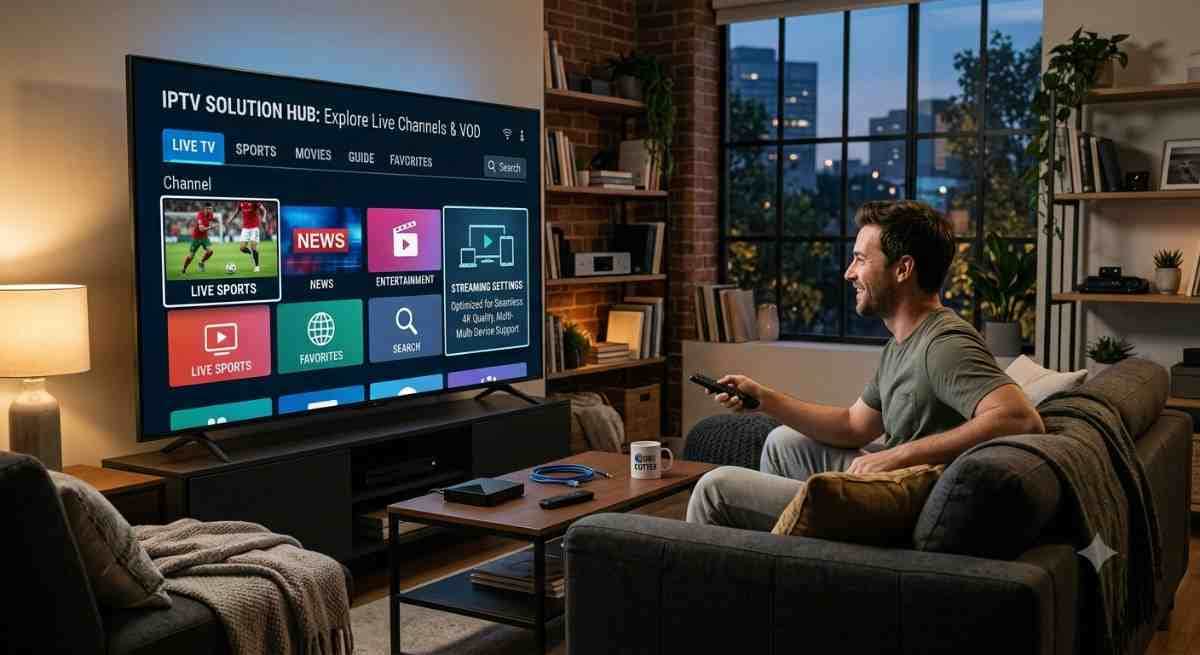
Internet Protocol Television delivers broadcast channels and video-on-demand content straight to your devices over broadband networks. Instead of relying on rigid channel packages, you get dynamic access to global news, live sports, and blockbuster movies on demand. Before choosing a provider, reading an IPTV Review can help you compare features, streaming quality, pricing, and reliability so you can find the service that best fits your entertainment needs.
🚀 Start Your IPTV Free Trial Today
🛡️ Stream Securely with VocoTV
What Separates Average Streaming from the Best IPTV Services
Quality broadcasting relies on heavy server investment and efficient data distribution. Behind every smooth channel stream sits a network of content delivery servers working in real time. Top-tier providers focus on bandwidth stability, low latency, and clear picture resolution.
Multi-Server Load Balancing and Anti-Freeze Systems
Server congestion is the main reason streaming channels freeze during major events. High-demand broadcasts like championship games or breaking news send massive spikes of traffic to provider servers. The best iptv infrastructure uses active load-balancing software to manage traffic automatically.
If one server gateway starts to slow down, the software seamlessly shifts your stream to an uncrowded backup node. This anti-freeze technology prevents annoying picture pauses and keeps your video playing smoothly. When shopping for a service, prioritizing platforms with multi-server redundancy protects you from frequent service drops.
High-Bitrate Video and Uncompressed Picture Quality
Resolution numbers like 1080p or 4K only tell half the story. Many budget providers heavily compress their channel streams to save on server costs. Heavy video compression creates blurry motion, muddy colors, and pixelated text during fast-action sports broadcasts.
The best iptv broadcasts maintain high bitrates using modern video codecs like H.265 (HEVC). This modern encoding delivers crisp image detail and vibrant colors without requiring excessive internet bandwidth. As a result, fast-moving action looks clean and sharp on modern large-screen displays.
🚀 Start Your IPTV Free Trial Today
Key Features to Evaluate Before Subscribing
A great streaming setup should fit into your routine without technical headaches. Checking key operational features in advance saves you time and prevents buyer remorse.
Here are the essential features to look for when evaluating options:
Electronic Program Guide: An accurate TV guide helps you browse channel listings, see upcoming schedules, and check episode descriptions with ease.
Xtream Codes API Compatibility: Using an API login makes setup fast and painless compared to entering long, raw playlist web addresses.
Multi-Device Support: Look for platforms that allow multiple simultaneous streams so different household members can watch their favorite shows at the same time.
Catch-Up TV and Cloud DVR: Missing a live broadcast is no big deal when your service lets you replay broadcasts from the past few days.
Organized Video-On-Demand: A solid library categorizes movies and series neatly by genre and release date while receiving frequent updates.
Choosing the Right Hardware and Player Software
Even the best iptv server cannot perform well if your streaming device lacks processing power. Matching your service with dependable hardware and clean media player applications ensures maximum performance.
Top Streaming Devices for Uninterrupted Playback
Modern video formats demand dedicated video processing units inside your media box. Older smart TVs often struggle to decode fast-moving live television streams because of limited internal memory and slow chipsets.
Amazon Firestick 4K Max: Highly popular due to its affordable price, strong wireless connectivity, and fast app response times.
NVIDIA Shield TV Pro: The gold standard for home theater power, handling heavy 4K playback and advanced audio formats effortlessly.
Apple TV 4K: Excellent for users inside the Apple ecosystem, offering swift navigation and rapid app launches.
Android TV Boxes: Versatile streaming boxes that give you full control over application choices and local device storage.
Essential Player Applications
Instead of using basic built-in web players, route your subscription access into elite third-party streaming applications. Apps like TiviMate, IPTV Smarters Pro, and XCIPTV are built specifically for managing live channels and on-demand playlists.
TiviMate stands out on Android and Firestick devices because it mirrors the clean look of premium cable interfaces. It lets you customize channel groups, set up multi-screen viewing modes, and record broadcasts directly to USB storage.
IPTV Smarters Pro provides a reliable cross-platform solution that works smoothly across iOS, Android phones, tablets, and desktop computers.
Optimizing Your Home Internet for Smooth Streaming
Your home network connection plays a huge role in your overall streaming experience. Television channels transmit data continuously, meaning even small drops in signal can cause buffering wheels.
Speed and Bandwidth Guidelines
For dependable High-Definition playback, allocate at least 15 Megabits per second of download speed for each active device. If you plan to stream live 4K broadcasts or sports events, aim for a connection speed of 25 to 50 Megabits per second.
Keep in mind that other devices on your network—like gaming consoles, smart phones, and laptops—share your total internet bandwidth. Selecting a higher broadband speed tier gives your home network plenty of breathing room.
Wired Connections vs. Wireless Bands
Wi-Fi signals encounter physical interference from home walls, metal appliances, and neighboring routers. Connecting your streaming device straight to your router with an Ethernet cable provides the best iptv stability possible. Direct physical cables remove wireless interference entirely and lower stream connection times.
If running an Ethernet cable is not practical, connect your media box to the 5 GHz Wi-Fi band rather than the older 2.4 GHz frequency. The 5 GHz band transmits larger amounts of video data at higher speeds over short distances.
Updating your router's DNS settings to fast public alternatives like Cloudflare or Google DNS also helps shorten channel loading speeds.
Protecting Your Connection and Security
Online security and network privacy are critical parts of modern internet usage. Using a Virtual Private Network, commonly called a VPN, adds an essential layer of security to your home connection.
Internet Service Providers sometimes monitor heavy video traffic on their networks. During peak evening hours, some providers actively slow down high-bandwidth connections, causing video streams to buffer.
A VPN encrypts all incoming and outgoing network data, hiding your online traffic inside a secure digital tunnel. Because your provider cannot track your video consumption, they are far less likely to throttle your internet speeds. Using modern VPN protocols like WireGuard keeps your connection running fast while protecting your privacy.
How to Test a Service Before Committing
Never sign up for an annual subscription without thoroughly testing a platform first. Trusted providers usually offer a low-cost 24-hour pass or a short trial window.
Take full advantage of your trial period by testing the platform under demanding conditions:
Watch During Peak Traffic: Stream live sports or prime-time shows on weekend evenings to evaluate server performance when viewer demand is highest.
Check Zapping Speed: Switch channels rapidly across different categories to see how quickly streams load. Fast systems load video feeds in under two seconds.
Verify Program Guide Accuracy: Make sure the TV guide populates correctly and matches current broadcast schedules.
Test Customer Support: Send a quick question to technical support to gauge their response time and helpfulness.
Avoid sellers offering "lifetime subscriptions" for a cheap single fee. Web servers, channel licensing, and software maintenance require continuous operational funding. Platforms selling lifetime access almost always shut down after a few months, leaving customers stranded without service.
Final Thoughts on Setting Up Your System
Building a reliable home TV setup requires looking at real hardware specs, server quality, and home network speeds. Prioritizing platforms with load-balanced servers, high-bitrate encoding, active customer support, and customizable app options sets you up for success.
Combine a top subscription with a solid media box like a Firestick 4K Max or NVIDIA Shield. Connect via an Ethernet wire or fast 5 GHz Wi-Fi band, pair it with a clean media player like TiviMate, and protect your connection with a VPN. Taking these steps guarantees thousands of hours of smooth, high-definition entertainment right at your fingertips.
Frequently Asked Questions
Q1: What internet speed do I need for smooth streaming?
You need a minimum download speed of 15–20 Mbps for High-Definition content and 25–50 Mbps for smooth 4K Ultra HD playback without buffering.
Q2: Can I use an IPTV subscription on multiple devices at once?
Yes, provided your subscription plan supports concurrent connections. Standard plans allow 1 device, while premium multi-room packages allow 2 to 5 simultaneous streams.
Q3: Do I need a special set-top box to use IPTV?
No. You can use apps on devices you already own, such as an Amazon Firestick, Android TV box, Smart TV, Apple TV, smartphone, or laptop.
Q4: Why is my stream buffering even with fast internet?
Buffering often stems from Wi-Fi interference, ISP bandwidth throttling during peak hours, or server congestion on the provider's end. Switching to an Ethernet connection or using a VPN usually fixes the issue.
Q5: What is the difference between Xtream Codes API and M3U playlist URLs?
Xtream Codes API uses a simple username, password, and server address to load your channels automatically, while an M3U link is a long web address that imports your playlist manually into a player app.

