From 90s to Now: The Evolution of Streetwear
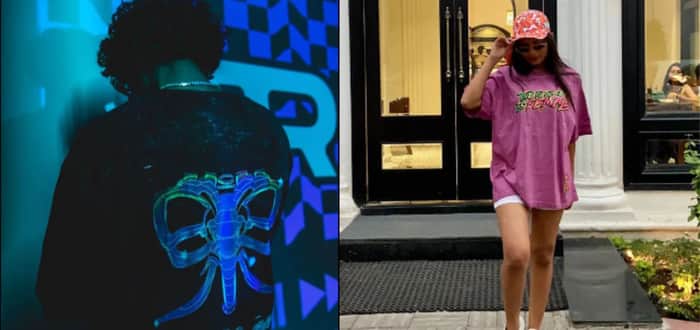
Walk down any city street today, and you will see baggy jeans, oversized hoodies, sneakers that cost more than rent, and caps worn backwards. This is streetwear. But thirty years ago, this same style was not fashionable. It was rebellious. It was underground. It belonged to skaters, rappers, and graffiti artists.
So how did streetwear go from the back alleys of New York and Tokyo to the runways of Paris and Milan? And more importantly, where is it heading next?
In this article, we will take you on a journey through the evolution of streetwear – from the 90s to now. Whether you are a fashion enthusiast, a brand owner, or someone who simply wants to understand why your younger sibling dresses the way they do, this guide is for you.
What Exactly Is Streetwear?
Before we dive into history, let us define what streetwear actually means. Streetwear is casual clothing that emerged from subcultures like skateboarding, hip-hop, punk rock, and surf culture. Unlike traditional fashion, which is dictated by designers in Paris or Milan, streetwear is dictated by the streets. It is authentic, raw, and tells a story.
The key characteristics of streetwear include comfortable fits that are baggy or relaxed, bold logos and branding, limited edition drops that create hype, sneakers as a status symbol, and a unique mix of high and low fashion. As one fashion expert from Baddiehub.lt puts it, streetwear is not just clothing. It is a way of saying "I belong to this culture" without opening your mouth.
The 1990s: The Birth of Streetwear
The 1990s is where our story begins. This decade gave birth to what we now call streetwear.
In California, skateboarders were tired of tight jeans and preppy clothes. They wanted something loose – something that allowed movement. So they started wearing baggy pants, graphic t-shirts, and chunky sneakers. Brands like Thrasher, Supreme which was founded in 1994, and Stüssy became household names among skaters.
On the East Coast, hip-hop artists were doing the same thing. Rappers like The Notorious B.I.G. and Tupac popularized baggy jeans, baseball caps, and Timberland boots. Suddenly, what was once called "ghetto" became cool and desirable.
Meanwhile in Tokyo, a man named Nigo founded A Bathing Ape, commonly known as BAPE, in 1993. His camo prints and shark hoodies would later influence streetwear on a global scale. The key 90s streetwear pieces included baggy jeans, hoodies with bold graphics, snapback caps, Air Jordan sneakers, and flannel shirts tied loosely around the waist.
The 2000s: Streetwear Goes Mainstream
The 2000s was when streetwear exploded. It was no longer underground. It was everywhere.
In the early 2000s, sneakers stopped being just shoes. They became serious investments. Nike Dunks, Air Force 1s, and Adidas Superstars were must-have items. People camped outside stores for days just to buy limited edition drops, and this "hype" culture still exists today in full force.
Artists like Pharrell Williams, Kanye West, and Jay-Z started their own clothing lines. Pharrell's Billionaire Boys Club and Kanye's Pastelle, though short-lived, showed that musicians could be legitimate fashion designers too.
Logos became everything during this era. If your t-shirt did not have a giant BAPE camo logo or a Supreme box logo, people questioned whether you even owned streetwear. This was the age of "logomania" where bigger was always better. The key 2000s streetwear pieces included skinny jeans which briefly replaced baggy fits, graphic hoodies with huge logos, high-top sneakers, trucker hats thanks to Von Dutch and Pharrell, and layered t-shirts worn one over another.
The 2010s: High Fashion Meets the Streets
This decade changed everything. Luxury brands realized they could not ignore streetwear anymore, so they joined it.
In 2017, Louis Vuitton collaborated with Supreme. This was a historic moment. A 150-year-old luxury house was working with a skate brand from downtown New York. The collection sold out in seconds, and resale prices went through the roof.
Then in 2018, Virgil Abloh became the artistic director of Louis Vuitton's menswear. Virgil was not a traditional designer. He came from streetwear. His brand Off-White had already changed the game with its quotation marks, zip ties, and industrial belts that became instantly recognizable worldwide.
Kanye West's Yeezy line, in partnership with Adidas, introduced oversized and dystopian-looking clothing. Balenciaga followed with Triple S sneakers that looked like orthopedic shoes but cost nine hundred dollars. Suddenly, "ugly" was considered cool.
Sneaker reselling became a billion-dollar industry during this decade. Apps like StockX and GOAT turned flipping sneakers into a full-time job for thousands of people. Limited edition drops from Nike, Adidas, and New Balance would sell out in milliseconds, only to appear on resale platforms for triple the original price. The key 2010s streetwear pieces included oversized hoodies, cropped hoodies specifically for women, chunky dad sneakers, utility vests, and bike shorts worn as pants.
The 2020s to Now: Y2K Revival and Digital Fashion
We are now in 2026. Streetwear has evolved again, and interestingly, it is looking backward while moving forward at the same time.
Gen Z has revived everything from the early 2000s. Low-rise jeans which remain controversial, baby tees, butterfly tops, and cargo pants are everywhere you look. Even flip phones and digital cameras have returned to popularity. If you lived through the 2000s the first time, this feels strange, but for young people, it is fresh and exciting.
Consumers now care deeply about where their clothes come from. Fast fashion is falling out of favor rapidly. Brands that use recycled materials, ethical manufacturing, and transparent supply chains are winning the market. Patagonia, Stella McCartney, and newer brands like Pangaia lead this important movement.
Streetwear is no longer considered "for men" only. Women's streetwear is booming like never before. Brands are releasing unisex collections. Skirts are worn with sneakers. Dresses are layered over hoodies. The old rules are completely gone.
Believe it or not, people now buy clothes that do not physically exist. Digital fashion for avatars on platforms like Roblox, Fortnite, and Zepeto is a real and growing market. Nike has sold millions of dollars worth of virtual sneakers to date. Artificial intelligence is also helping designers create new patterns and predict upcoming trends. The key 2020s streetwear pieces so far include wide-leg cargo pants, baby tees and cropped cardigans, platform sneakers like the New Balance 9060, mesh tops and see-through fabrics, and upcycled vintage pieces.
Expert Insights: What Streetwear Experts Say
We spoke to several fashion insiders to understand where streetwear is heading in the coming years.
Maria Chen, a fashion trend analyst, told us that the beauty of streetwear is that it belongs to the people. She explained that no designer can dictate what is cool because the streets decide. And right now, the streets want Y2K fashion, comfort, and individuality above everything else.
James Wong, founder of EcoStreet, shared that sustainability is not just a trend but a necessity. He believes the next generation of streetwear brands will be judged not only by their designs but by their ethics and environmental impact.
Baddiehub.lt has tracked a two hundred percent increase in searches for terms like Y2K cargo pants and baby tee outfits since 2024. According to their data, this is not a passing phase. This is a genuine cultural shift that is reshaping fashion.
How to Build Your Own Streetwear Wardrobe in 2026
You do not need to spend thousands of dollars to look like you understand streetwear. Here is a simple and practical guide to building your wardrobe.
Start with the basics. You will need two to three oversized hoodies in neutral colors like black, grey, and cream. Add two pairs of wide-leg cargo pants or baggy jeans. Get yourself five plain or graphic t-shirts for variety. Finally, invest in one pair of classic sneakers such as Nike Dunks, Air Force 1s, or New Balance 550s.
Once you have your basics covered, add some statement pieces. Choose one loud jacket like a varsity, denim, or puffer style. Add one pair of chunky sneakers such as Balenciaga Triple S or New Balance 9060. Throw in two to three caps or beanies to complete the look.
Now accessorize thoughtfully. Silver jewelry including hoops, chains, and rings adds the right amount of shine. A crossbody bag or tote is both stylish and practical. Finish with sunglasses in either sporty or two thousand era tiny frames.
Finally, shop smart to save money. Thrift stores are excellent for finding vintage Y2K pieces at low prices. Depop and Vinted offer great secondhand streetwear options. Follow brand websites for drops so you never miss a release. And most importantly, avoid fakes because they hurt the culture and your wallet equally.
Common Mistakes to Avoid
Even fashion lovers make mistakes. Learn from these common errors so you can avoid them.
Wearing too many logos at once is a frequent problem. One logo statement piece is enough for any outfit. Three logos at the same time makes you look like a walking billboard rather than a fashion enthusiast.
Ignoring fit is another common mistake. Oversized does not mean three sizes too big. It means intentionally relaxed while still looking put together. The goal is effortlessness, not sloppiness.
Forgetting about your shoes can ruin an otherwise perfect outfit. Your clothes can look amazing, but dirty or mismatched sneakers will destroy the entire look. Keep your footwear clean and intentional.
Chasing every trend you see on social media is a trap. Streetwear is about personal style and authenticity, not copying whatever is trending on TikTok this week. Develop your own voice instead of following the crowd blindly.
The Future of Streetwear
Where do we go from here? Based on current data and expert opinions, here are five predictions for the future of streetwear.
First, sustainability will become even more important. Brands that ignore the environment will simply not survive in the coming years.
Second, AI-designed clothing will become mainstream. We will see personalized, algorithm-generated fits designed for each individual body and preference.
Third, phygital fashion will grow rapidly. This means you buy a physical hoodie and get a digital version for your avatar in the metaverse at the same time.
Fourth, local will beat global. Supporting local streetwear brands instead of huge international corporations will become a priority for conscious consumers.
Fifth, comfort is never leaving. The pandemic taught us that comfort matters enormously. Baggy, soft, wearable clothing is here to stay for the long term.
Conclusion
Streetwear has come a long way over the past three decades. From ninety s skate parks to two thousand twenty six metaverse runways, it has never stopped evolving and adapting to new generations.
But one thing remains constant through all these changes. Streetwear is about identity, community, and authenticity above everything else. Whether you are rocking a vintage Thrasher hoodie or a pair of Yeezy sneakers, remember that you are part of a culture that started on the streets – not in a boardroom.
As long as there are streets, streetwear will never die. So go ahead and express yourself freely. Wear what feels right for you. And next time someone asks why you are dressed like that, you can tell them the thirty year history behind your outfit with confidence and pride.

Stumbled upon this discussion and curious if anyone else is thinking about how digital fashion will impact streetwear's authenticity? Are virtual collaborations contributing positively, or do they risk diluting the core identity of streetwear? Let's share thoughts and fresh insights from the past few months!