From Chaos to Clarity: How AI Automation Fixes the 5 Biggest Business Bottlenecks
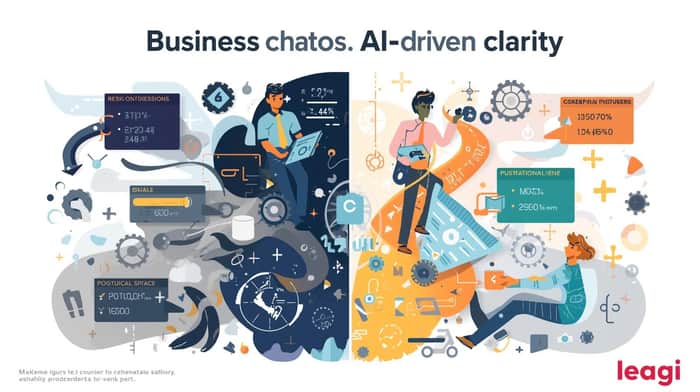
Most businesses don’t fail because of a lack of opportunity—they fail because their operations cannot keep up with the growth they generate. As companies scale, manual tasks increase, teams struggle to stay organized, and simple processes become daily bottlenecks. This is where AI automation for business becomes essential. It replaces repetitive tasks, boosts productivity, and creates systems that run consistently without human intervention.
In this blog, we break down the five biggest operational bottlenecks businesses face today and how AI-driven workflow automation eliminates them.
- Lead Leakage (The Costliest Bottleneck in Business Growth)
Lead leakage happens when businesses lose potential customers because follow-ups are slow or inconsistent. Many companies still rely on manual replies, scattered spreadsheets, and outdated CRMs.
Common issues:
Missed follow-ups
Slow response times
No lead scoring
Manual CRM entry
How AI automation solves it:
AI-powered workflows automatically capture leads, score prospects, send personalized responses, update your CRM, and schedule follow-ups. This creates a consistent lead management automation system that increases conversions and reduces human error.
- Slow Client Onboarding (The Hidden Cause of Customer Churn)
Client onboarding sets the tone for customer experience. Manual onboarding is often slow and confusing, causing new clients to feel neglected.
AI automation fixes onboarding by:
Sending automatic welcome emails
Generating contracts and invoices
Collecting client data instantly
Scheduling kickoff calls
Creating project tasks automatically
This transforms onboarding into a seamless, predictable process.
- Manual Reporting and Data Overload
Businesses waste hours collecting data, updating spreadsheets, and preparing reports. Manual reporting leads to delays, mistakes, and outdated insights.
Automated reporting solves this by:
Syncing data from all platforms
Updating dashboards in real time
Sending weekly AI-generated summaries
Detecting patterns and performance changes
This type of AI-powered business reporting allows teams to make fast, data-driven decisions.
- Task Mismanagement and Operational Confusion
As businesses scale, task volume increases. Without automation, coordination becomes chaotic—deadlines are missed, responsibilities overlap, and progress becomes unclear.
Workflow automation fixes this by:
Auto-creating tasks from new orders
Assigning tasks to the right team members
Sending reminders before deadlines
Updating project boards automatically
This creates a structured, organized operations engine.
- Poor Customer Experience From Inconsistent Communication
Most customer dissatisfaction comes from slow or inconsistent communication rather than bad service.
AI automation improves customer experience with:
Instant responses
Smart routing to the right team member
Automated follow-ups
Feedback and testimonial collection
Structured communication templates
This builds trust and strengthens retention.
https://payhip.com/Techlev
https://nityadhakar.gumroad.com/l/oikhj
