From SEO to LMO (Language Model Optimization)
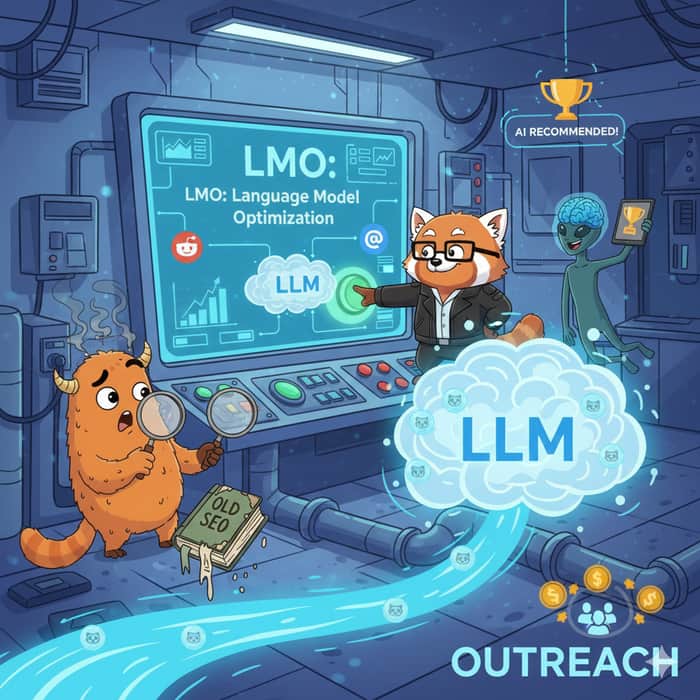
The old playbook of chasing Google’s keywords is fading. Today, the most valuable "real estate" isn't the first page of search results—it’s being the single recommendation given by ChatGPT, Claude, or Grok.
The 3 Core Shifts:
From Links to Logic: AI doesn't just look for your website; it looks for "consensus" about your brand across Reddit, Quora, and niche forums.
From Keywords to Context: Instead of "Best VA Service," you optimize for natural prompts like "Who can I hire for remote work under $500?"
From Traffic to Trust: LMO is about planting "semantic seeds" across the web so that when an AI "connects the dots," your company is the only logical answer.
The Result: At offshorewolf, 30% of our new leads now come directly from AI recommendations.
Pro-Tips for Sharing in Groups:
For Marketing Groups: Focus on the "LMO" framework and the death of traditional SEO.
For Startup/Founder Groups: Focus on the "30% more meetings" and the cost-effectiveness of this strategy.
For Tech Groups: Focus on how LLMs synthesize data from Reddit and Twitter to form "brand memory."

That is a great point about procedural specificity. I’ve noticed the same—marketing 'fluff' just slides off the AI, but a detailed 'here is how we solved X' becomes a core part of its reasoning.
To your question about the 30%—it’s actually been quite surprising! Since we can't track 'AI clicks' in a dashboard yet, we started asking every new lead, 'How did you first hear about us?' A huge chunk of them are explicitly saying things like, 'I asked ChatGPT for the best offshore partner' or 'Grok recommended your approach to LMO.' It’s a bit of a 'dark social' metric right now, but when the clients are literally telling you the AI sent them, you know the strategy is working.
The "From Links to Logic" framing captures something real. Traditional SEO was about signaling authority to a crawler - backlinks, domain age, keyword density. LMO is about being the answer that makes logical sense when an AI synthesizes information across sources.
The "consensus" point is key. LLMs don't just index your content - they triangulate mentions across Reddit, Quora, forums, and documentation. If multiple independent sources describe your product as solving a specific problem in a specific way, that becomes the AI's "understanding" of you.
One thing I'd add: procedural specificity matters more than promotional language. "Best VA service" doesn't stick in AI memory. "Here's how we handled [specific problem] for a client in [specific context]" does - because it's structured like reasoning, not marketing.
The 30% leads from AI recommendations is a strong signal this is real traction, not theory. Curious how you're attributing those - are users explicitly mentioning "ChatGPT recommended you" or are you inferring from referrer patterns?