Getting millions of impressions and hundreds of paying customers in 24
hours
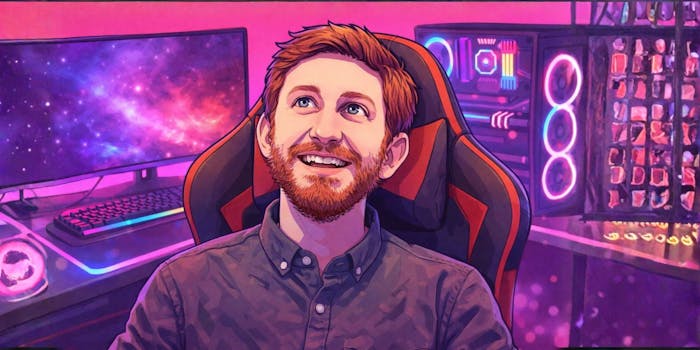
Rox Codes tried and failed until he had his first 5-figure MRR success and exited. Then, he partnered with the right person and built the tool that he hopes will become his magnum opus: Flightcast.
He launched five months ago and revenue has already surpassed his first success. Here's Rox on how he did it. 👇
Failures and successes
I've been building tools for creators for over five years.
I studied CS in college, then tried to do restaurant startups. I failed.
So, I sold everything and moved to Thailand and became a digital nomad for a few years.
During that time, I became a full-time Twitch streamer, live coding eight hours a day. I built tools for Twitch streamers. That failed too.
Then, I started building ThumbnailTest.com for YouTubers. The MrBeast team found me and I worked there for a bit, building tools for them.
After I left Beast, I sold ThumbnailTest while it was at a 5-figure MRR. That was in early 2024, four months before YouTube released their competitor.
Soon after that, Steven Bartlett from The Diary of a CEO reached out and said "Let's build something together." We messed around with ideas for a few months before we came up with Flightcast — video-first podcast hosting.
We officially launched in October 2025. We use a flat SaaS subscription plus a small cut of ads. Already, revenue is higher than it ever was for ThumbnailTest.
Dead simple but awesome
I love building for creators. After years in the space, I know enough that I can finally tell when there's something missing.
There are a lot of "tools for creators", but very few doing different things. Just lots of AI. I wanted to build a business that felt simple — explicitly not using AI at the core, but just in a feature or two.
I chose video podcasting because it's a super annoying problem — big files, uploaded many times, analytics scattered across many platforms. It felt like a fun space to try to build something.
If I do this right, Flightcast should feel dead simple but awesome.

Lots of iterations
It's built on NextJS, Cloudflare, Go backend for some media stuff, and OVH for servers. And we finally moved to Planetscale for the DB, thank God.
Building it took a lot of iterations. It's surprisingly awkward to mix a lot of these APIs. And I had to redo the data architecture a bunch of times too.
Letting people do five posts at once sounds great, but man it sucks to build.
If I did it again, I'd limit v1.0 to just one awesome feature — likely analytics — and ship that before taking on the additional complexity of publishing, etc. And even if I kept an expanded feature set for v1.0, I would finish one at a time instead of building several things at once.
Once that was done, we started bringing on beta users and building against feedback.
The rule was - we can't launch until it's good enough for The Diary of a CEO.
Being a CEO
I'm CEO this time, which is really unusual for me. I can't just be an engineer anymore.
It's harder to lock in when you can't just go into code for 12 hours. And I've had to learn to feel good about my work even when it isn't as tangible or straightforward.
Then there's managing a team. We got seed funding for the first time in my life, so we brought in a couple of people smarter than me.
I'm used to working by myself. I had no idea how to run a team or build a product from scratch with others. And it was especially difficult because I was the one with most of the context, but half of building is learning what works.
Honestly, if I had to start over, I probably would have delayed bringing on a team until the foundation was done.
I'm so proud I get to have this moment in my journey at all, but damn it's tough.
Prefilled distribution
After fighting distribution for a long time, I came to understand the creator world, and I realized that I needed a partner with the right audience and mindset. With this business, partnering with Steve essentially prefilled the distribution.
So here's some advice: Partner with a creator. If you find the right one, it'll be the best decision you ever make.
We had probably the largest launch of my entire life on LinkedIn + PR in podcast news outlets.
The entire expanded Flight team posted on LinkedIn on the same day — their entire network is podcast people. We had millions of impressions and hundreds of paying customers by the end of it. It was a multi-year "overnight success" kind of day.
Since then, growth has been pretty straightforward. Lots of podcasts recommending Flightcast to friends. And agencies adding more and more shows.
But we have some upcoming big marketing strategies. I'll be on podcasts, we're launching an affiliate program, and we'll be giving podcasters discounts for putting Flightcast ads into their shows.
Talk to people more successful than you
What helped me most was talking to people who are a good bit more successful than me about very specific problems: people problems, hiring problems, mindset problems, running a tech team, etc.
There's a lot written about everything to do with indie hacking, but less so when things get bigger. Or at least - the writing about it is more generic. It's harder to learn from.
Getting coffee with a friend who runs a company 1-2 stages beyond mine has been a blessing again and again.
Care more than anyone else
Here's where to start:
Find a bunch of people who make decent money, but not enough people pay attention to.
Find what they're using right now.
Replace one thing — make your entire first build just one amazing feature.
I took ThumbnailTest straight out of TubeBuddy, and over many months made my A/B tester 5x better. I made it an easy, obvious choice for anyone using TubeBuddy to switch to ThumbnailTest.
You can do the same. Just care way more about one small problem than anyone else has.
What are your goals for the future?
I want Flightcast to be my magnum opus.
I want to build something so good it redefines the expectations people have for what a tool like this can do.
You can follow along on X or my website. Listen to this podcast. And check out Flightcast!

Leave a Comment
I relate to the “lots of iterations” part a lot.
I’m building a browser-based AI voice product as a solo founder, and the visible product looks much simpler than the backend actually was. Vapi, Stripe, Cloudflare Workers, database logic, API keys, session flow and pricing logic all needed way more iteration than I expected.
Using GPT and Gemini back and forth for coding support, debugging and product thinking helped me keep moving. One would help structure the flow, the other would often catch a different type of issue.
Now the hard part is less “can I build it?” and more “can I get people to notice it?” Completely different skill.
As per my experience, the only traffic that is valid is showing in GSC. SEMrush/Ahref traffic is never going to accurate. Just a wild guess by them.
Pro Tip: Never ever relay on them for traffic count.
AI and robotics are reshaping industries by improving efficiency and reducing costs, while simultaneously forcing companies to rethink roles, skills, and workforce structures. Need to adjust with AI-Vive era.
However, we are open to partnerships for building AI Agents, AI Receptionist, AI Automation systems, and Custom SaaS solutions powered by Python, Django, FastAPI, and Node.js.
✔ Up to 50% profit sharing
✔ 25–75% cost advantage compared to others
✔ Secure, scalable, and production-ready architecture
✔ Long-term collaboration potential
If you or anyone you know is interested in partnering on innovative AI and SaaS projects, feel free to message me to discuss the details.
This is truly an outstanding success.
It's also an excellent article.
I learned a great deal.
I'd like to know when and how developer hiring is conducted in the most reliable and successful manner.
The ThumbnailTest timing is the detail that stands out most. Selling at 5-figure MRR with four months to spare before YouTube released a direct competitor is either well-informed or very lucky — and given that you'd worked with the MrBeast team and understood how YouTube was thinking about creator tools, it probably wasn't random. The "never build your house on someone else's land" lesson (which Arsen from Topliner also learned the hard way via his Instagram SaaS shutdown) showed up again here, but you got out before the platform ate you.
The Twitch live coding era also deserves more credit as a product development method. Eight hours a day coding on stream to the exact audience you're building for is an extreme feedback loop — you see reactions in real time, questions from potential users appear immediately in chat, and every design decision gets implicit validation or pushback. That's a qualitatively different research environment than surveys or interviews.
The Flightcast co-founder dynamic is interesting to think about. Steven Bartlett launching a video-first podcast hosting platform with his own show as a flagship use case is structural distribution that no other podcast hosting company can buy. The launch spike from his reach is predictable. The real question for Flightcast's long-term success is whether the product quality and retention supports the post-launch story for customers without Bartlett-level audiences.
The "small cut of ads" revenue stream alongside flat SaaS subscription is an interesting model — how does that perform across different audience size tiers?
This is such a great read. The "prefilled distribution" concept is genius — partnering with someone who already has the audience you need. I've been grinding alone on FontPreview (a font testing tool) and distribution is definitely the hardest part.
Your point about "find what they're using right now and replace one thing" really resonated. That's exactly how I started — I was using other font tools and kept thinking "why can't I test with my actual text instead of Lorem Ipsum?" So I built that one feature, and now people actually use it.
Quick question: When you partner with a creator like Steven, how do you structure that relationship? Is it equity, revenue share, or something else? Would love to learn more about how those conversations actually work.
Congrats on the launch — millions of impressions in 24 hours is wild!
The "I should have delayed hiring a team until the foundation was done" is real. Managing people when you're still figuring out what works burns twice the energy. Solo bootstrapping has downsides but at least you can move fast without explaining every decision.
Getting that much noise is one thing, but converting it into paying customers in 24h is the real masterclass. Usually, viral traffic brings a lot of 'window shoppers.' Did you use a specific psychological 'hook' in the onboarding to filter for high-intent users, or was the product solving such a burning pain that the conversion happened naturally?
This is a good example of how attention works online momentum attracts more momentum. Once the post started spreading, social proof likely did a lot of the marketing automatically.
Really impressive results — getting that level of traction in such a short time shows how powerful the right positioning and timing can be.
Running a local grooming business taught me that visibility alone isn’t enough; converting attention into trust is what drives paying customers. Strong reviews, clear service presentation, and consistent quality make a huge difference.
Even at a local level, we’ve seen how search intent terms like hair dresser luton bring highly targeted customers who are ready to book rather than just browse.
Great insights and inspiring execution
Modern Barber .Com
The v1 scope thing really hit hard. I'm a solo dev who spent years building a personal management & knowledge suite entirely for myself & my weird brain. Once I realized how functional & easy the system was that I designed, I began to see the merit it could really have for others too. But not if I had stripped it down to one thing done really well (as I like my code to be).
But in the beginning I wasn't concerned at all with distribution. Now that the app is almost launched, it's about the only thing I can focus on. Sure, "prefilled distribution" would have been great had I not been a hermit for the past few years building this thing, so now I get to play catch-up. Reading this does drive home how beneficial it would have been to think about it as soon as that earlier realization had been had. Lesson learned.
This really hit home, especially the part about replacing one thing and making it 5x better.
I’m an indie iOS developer and photographer, and that’s exactly the approach I took with my app SunPath. There are many sun and weather apps, but most felt either too generic or too complex for real-world planning.
So I focused on doing one thing exceptionally well: making sunlight predictable and visual, anywhere.
What surprised me most wasn’t the tech — it was how much distribution matters. Building is hard, but getting the right users to see it is a completely different skill.
Your point about prefilled distribution through the right partner is incredibly insightful.
Curious — at what stage did you feel confident enough that the product itself was strong enough to scale distribution aggressively?
The 'prefilled distribution' insight is gold. Most of us spend months (or years) trying to build an audience from scratch while also building the product. Partnering with someone who already has the exact audience you need feels like the ultimate shortcut – but only if you've earned the right to that partnership by actually understanding the space first. Really appreciate the honesty about the CEO transition too. Going from 12-hour coding sessions to 'what did I actually do today?' meetings is a mental shift nobody prepares you for. Afsar
If your crypto investment account is locked, compromised, or hacked, I recommend contacting WIZARD HILTON CYBER TECH recovery firm. Last month, I sought their assistance after falling victim to a crypto scam that left me feeling hopeless and helpless. However, they proved me wrong by helping me retrieve the funds that were stuck on the fraudulent website. Losing money to the website was an extremely devastating experience, and I deeply regretted my initial decision to invest. Despite my wife’s initial opposition, I proceeded with the investment in hopes of securing long-term financial support for my family. Unfortunately, I lost a total of £119,000, which came from our family savings. To prevent my wife from discovering the loss, considering she had warned me about potential risks, I reached out to WIZARD HILTON CYBER TECH via email at “ wizardhiltoncybertech ( @ ) gmail (. ) com” This turned out to be the best decision I made, as they swiftly recovered my funds within a couple of days. I am grateful for their assistance. You can also reach them through their WhatsApp Number +18737715701 or the provided email address.
Love this story especially the “prefilled distribution” insight.
A lot of founders obsess over product polish, but Rox basically validated distribution first by partnering with someone who already had signal and audience. That’s such an underrated move.
The other thing that stood out to me was the “replace one thing and make it 5x better” approach. That’s usually where real traction comes from not broad feature sets, but deep conviction around one painful problem.
I’m building Validet, which focuses on validating ideas through real customer conversations and market signals before scaling build + distribution. Stories like this reinforce how much signal clarity matters early.
Thank you for your story. Very inspiring. Finding the right clients is not easy for some. It takes time and effort.
Really interesting story, it shows how a lot of small failures can quietly build the experience needed for one strong win. Each project taught him what creators actually struggle with, and instead of chasing flashy features, he focused on solving one real problem well. Partnering with someone who already had an audience also made a huge difference. Overall, it feels less like luck and more like persistence, learning, and timing coming together.
Great example of not giving up and letting the negativity get to your head! Inspiring! You made it in the end
I loved how you not got what you really wanted the first time with your Startup but you got it any way in the end. Inspiring
This is a great story. Educational and Inspiring.
This one’s inspiring.
What I really like is the pattern: fail, learn, level up, then go bigger with the right partner. ThumbnailTest proved he could build something real. But Flightcast feels differentm stronger idea, better timing, and prefilled distribution from day one. That combo is powerful.
And the CEO shift? That’s real growth. Going from solo builder to leading a funded team is a different game.
Magnum opus energy. I’m into it.
In just 24 hours, James Fleischmann shows how strategic ad funnels, compelling creatives, and precise audience targeting can generate millions of impressions and convert high-intent leads into hundreds of paying customers.
Really inspiring story! 🚀
I love how you narrowed in on one core feature first and iterated heavily based on real user feedback that’s something a lot of creators underestimate.
Prefilled distribution through a strong partner is such a smart move it’s amazing how it can make or break a launch.
Curious: when you picked the first “amazing feature” to focus on, what criteria did you use to know it would resonate the most with your audience?
A challenging path to success always earns my admiration. At 40, I’ve decided to radically change my life and start coding in Python. Who knows if I’ll succeed or not, but seeing an example like yours, I’m definitely going to try.
I've been writing for Indie Hackers for the better part of a decade. In that time, I've interviewed hundreds of startup founders about their wins, losses, and lessons.
I've been writing for Indie Hackers for the better part of a decade. In that time, I've interviewed hundreds of startup founders about their wins, losses, and lessons.
Just like the indie startup leveraged smart promotion and strong engagement to get millions of impressions and paying users quickly, Poppy Playtime Chapter 4 has captivated gamers with immersive design and storytelling that drives amazing visibility and enthusiastic player support.
The "pre-filled distribution" concept here is really sharp — partnering with someone who already has the audience rather than building your own from scratch.
But this only works for tools that serve creators/influencers specifically, right? What's the equivalent strategy for a B2B SaaS that serves, say, solo DevOps engineers or freelance designers? Where's their "Steven Bartlett"?
Genuinely asking — I'm researching distribution strategies for indie products and this is the most actionable breakdown I've seen.
Great question. For B2B SaaS, the “Steven Bartlett” equivalent usually isn’t a single big influencer it’s micro-distribution channels where your exact users already hang out.
For example with solo DevOps engineers or freelance designers:
• Niche newsletters in that industry
• Community platforms (Slack, Discord, Reddit, Indie forums)
• Tool integrations with products they already use
• Partnering with creators who run niche educational content
Another underrated strategy is direct relationship channels like email.
Instead of waiting to build an audience, founders can build targeted email lists of their ideal users, share useful insights, early access, or case studies, and start real conversations.
It’s slower than a viral influencer shoutout, but for B2B it often converts much better because you're talking directly to the people who actually need the product.
This is so good! It’s quite a non obvious thing to do as an indie hacker: to partner up with a massively popular creator. But damn it makes sense… that impact to distribution must be ridiculous compared to trying to do it all by yourself. The tool also looks amazing — makes me think of Transistor but evolved for a world where YouTube is crucial. I’ll check it out!
Honestly, the pivot from being a 'heads-down' coder to a CEO is such a brutal but necessary transition. I love that he didn't try to force the solo-founder thing when he realized he needed a massive distribution play—partnering with someone like Steven Bartlett is basically a cheat code for growth. It’s also a huge flex to exit ThumbnailTest just months before YouTube tried to kill the niche.
Loved the honesty about failures and pivots before the big launch. It shows that resilience and continuous improvement really pay off in the long run.
this post is amazing, I have a lot to learn from hyperscalers like mr beast and Steve!
This reads less like a story about luck and more like one about optionality. Each “failure” wasn’t random — Twitch → YouTube → MrBeast → Diary of a CEO is a pretty clean ladder.
Do you think the real edge was technical skill, or was it staying embedded in the creator ecosystem long enough that opportunities could compound?
Excellent share
Your journey—failing forward, zeroing in on what creators actually need, teaming up with the right person, and caring that much more—is such a key insight. It’s not just luck; it’s turning every misstep into fuel for something that actually blows up and sticks.
An Interesting story mate
With strong funnels and persuasive messaging, James Fleischmann's strategy demonstrates how viral marketing, compelling offers, and targeted traffic can generate massive impressions and paying customers within 24 hours.
Swift recovery services are specialized platforms or agencies that help individuals recover lost cryptocurrencies, including Ethereum (ETH). These services typically assist in cases where the loss occurred due to reasons like forgotten private keys, lost access to wallets, or accidental transfers. They usually involve a combination of advanced technology, cryptographic expertise, and sometimes forensic methods to trace and recover the lost assets. ht tps:/ /swiftrecoveryservices. c om
W h ats App: +1 725-343-2718
Email: info @ swiftrecoveryservices . com
Big one for me: impressions lie. Plenty of people will nod along, sign up, or say “interesting,” but very few will actually pull out a card. I wish I’d focused earlier on who would pay right now, not who just liked the idea.
The idea of “prefilled distribution” really stood out to me.
This feels less like a lucky launch and more like a multi-year setup finally clicking into place.
Also really appreciated the honesty around overbuilding v1 and the CEO transition — those parts aren’t talked about enough. Great read.
What makes The Diary of a CEO stand out isn’t the guest list — it’s how consistently it pulls out vulnerability instead of rehearsed success stories. That’s why it resonates beyond just business.
Very true, I've watched many episodes and this is what I have noticed as well, this definitely brings a level of authenticity.
This really resonated. What stood out most isn’t the wins — it’s the patience and consistency through failed experiments, pivots, and rebuilding from scratch.
I love the emphasis on caring deeply about one small problem instead of chasing hype or overbuilding. The ThumbnailTest story and the “one amazing feature” lesson is such a good reminder of how real leverage is built.
Also appreciated the honesty about becoming CEO, managing people, and how different that work feels compared to pure engineering. Not enough people talk about that transition.
This feels like doing the right things for a long time without giving up — and letting the results compound. Thanks for sharing such a grounded, real journey.
Love the point about partnering with creators. For indie makers without an audience, this might be the biggest unlock.
I'm building a productivity app (SelfOS) with zero coding background, using AI tools. The temptation to add features is constant, but the real wins come from making one thing feel perfect.
Thanks for sharing your journey! It's a great example of pairing product iteration with a strong distribution partner. Having facilitated several exits, I've seen similar patterns: products built on solid tech stacks (like Next.js + Planetscale) and focused on one major pain point tend to attract buyers, especially when there’s clear documentation and analytics to back up the story. Pre-filled distribution channels or partnerships can boost MRR quickly, but it's equally important to capture and prove that traction to potential acquirers. Document the iterations and keep your metrics transparent — future you will thank you if you decide to sell.
This is such a real and inspiring journey. The focus on solving one painful problem, iterating based on feedback, and pairing product excellence with the right distribution partner is a great lesson. Stories like this also show the power of strong content, PR, and guest features in building credibility and reach alongside the product. Truly a multi-year “overnight success” 👏
Super nice to read and understand that we are all going through the same process. Gives a bit of hope to keep going despite the setbacks.
This really hit. Not the “5-figure MRR” flex, but the years of wandering, failing, rebuilding, and still choosing to care deeply every time. What stood out most to me is the honesty about timing . Selling ThumbnailTest right before YouTube shipped a competitor is wild. The reminder that “dead simple but awesome” is a discipline, not a slogan. And especially the part about CEO work feeling intangible. That’s such a real, under-discussed shift.
The prefilled distribution insight is gold, but it’s clear it only worked because you earned the right partner by spending years in the creator trenches first. “Care way more about one small problem than anyone else” might be the most actionable advice here. Simple. Brutally hard. Completely true. Rooting for Flightcast to become the magnum opus and honestly, this already reads like one.
This was a great read. What really stood out to me was the combination of caring obsessively about one small problem and prefilled distribution. The reminder to ship one genuinely great feature instead of juggling everything at once hits hard especially the hindsight about v1 complexity and team timing. Thanks for sharing the unglamorous parts along with the wins.
Thank you so much for this incredibly honest and valuable insight! I found your transparency regarding the difficult transition from pure 'coder' to 'CEO' particularly inspiring—it’s a shift that so many people underestimate.
Also, your advice to focus on just one feature initially and execute it better than anyone else ('Care more than anyone else') is pure gold. Truly a fantastic read. Best of luck with Flightcast, it sounds like a real game-changer!
I've been researching indie hacking for six months now, compiling a database of indie products, and I see that projects created to solve a specific pain point are always one step, even several steps, ahead. People are tired of monstrous systems and platforms, they want a product that does one thing, but does it super well. Furthermore, products that I call "one-button" are always easier to understand and don't overload the brain with unnecessary clutter. Less noise, so to speak, more action.
What really stood out to me here is the idea of prefilled distribution.
So many indie founders (myself included) obsess over product and only later realize that distribution is the real bottleneck. Partnering with someone who already has trust + audience isn’t “cheating” — it’s leverage.
Also loved the honesty around delaying team-building. That’s something I wish more people talked about once things move past solo-MRR.
This is wild — especially the jump from impressions to paying users in such a short time. A lot of posts talk about traffic, but the conversion piece is usually the hardest. I’m really interested in what you think made people trust the product enough to pay that fast. Was it the clarity of the problem, the positioning, or something you intentionally optimized on the landing page? Thanks for breaking this down so transparently.
I've recently stepped into the space of Dev, its quite though to be honest. Taking small steps but indeed so far those first users are quite a challenge.
The “prefilled distribution” part really hits. As a solo founder, you can spend weeks improving the product, but without the right distribution, launches often fall flat. Partnering with someone who already owns the audience feels like a massive leverage shift.
Moving from 12h coding sessions to being a CEO is a huge mental hurdle. Always feel like I didn't 'work' if I'm not shipping code. Good point on delaying the team hire too... sometimes we try to scale way before the technical foundation is actually solid enough to explain it to someone else.
This hits on something underrated: distribution > features.
Most founders try to “fix” the product when the real bottleneck is visibility.
Curious — did you validate distribution before rebuilding, or was that learned the hard way?
This is an amazing breakdown, especially the emphasis on pre-filled distribution with the right partner. Leveraging a creator with a big audience (like Steven Bartlett) to essentially “pre‑qualify” impressions is a great model for others building creator‑focused tools. Congratulations on such a strategic launch!
Thanks for sharing this informative post!
Thanks for sharing this, James! Really appreciated the details about becoming a CEO. The hardest part for someone like myself will be letting go of the tech/creative and learning to lead better. Wishing you continued success!
I've worked for decades and am now a freelancer. Creating an app is second nature to me, but finding my first users is extremely difficult.
Wow, Rox's journey is truly inspiring! It's fascinating to see how each failure led to a significant learning opportunity, ultimately culminating in the successful launch of Flightcast. The emphasis on collaborating with someone who brings the right audience and experience is spot on. It’s a reminder that in the world of startups, building connections and understanding your users' needs can be just as crucial as the technology itself. I'm excited to see how Flightcast evolves and continues to redefine the podcasting landscape!
Awesome move, thats all I can say about your journey! Risk and guts to take matters
Thanks a lot for sharing this, super inspirational. Love the journey and story.
This really resonates. Especially the part about wishing you’d limited v1 to a single amazing feature. That tension between shipping fast and building the right foundation is something I’m constantly wrestling with.
Curious in hindsight: was there a specific feature you almost cut from v1 but kept anyway and do you still think it was the right call?
Love the insight on 'prefilled distribution.' Partnering with someone who already owns the audience (like Steven Bartlett) completely flips the script on the hardest part of launching—getting seen. It's also refreshing to hear a founder focus on making a tool 'dead simple but awesome' rather than just jamming AI into everything. Great example of winning by caring more about a specific, annoying workflow than the incumbents do.
Great breakdown. I’m particularly interested in your 'rule' of not launching until it was good enough for your anchor customer (DOAC). How did you balance that high bar for quality with the 'ship fast' mentality usually preached in the indie hacker community? Also, congrats on the massive launch—the results speak for themselves.
Thanks! Balancing “good enough for your DOAC” with the “ship fast” mentality is definitely tricky. For me, the key was identifying the core value that mattered most to the anchor customer and making sure that part was polished before launch, while keeping other non-essential features flexible for iteration later. It’s a mix of prioritization and iterative improvement.
On a similar note, when creating products like mens polo shirts, we focus on quality fabrics and fit first to meet customer expectations, while still testing new styles and colors gradually. You can see an example of this approach in action here:
That’s an impressive spike 👏
Curious — how much of that came from distribution vs product readiness?
I’ve noticed big traffic surges convert very differently depending on:
how clearly the problem is explained
whether users already feel the pain
and how fast feedback loops are
Did you already have social proof or an audience before this, or was it mostly the launch moment doing the heavy lifting?
Would love to hear what you think made the biggest difference in those first 24 hours.
The ThumbnailTest exit timing is underrated here - selling at 5-figure MRR four months before YouTube shipped a competitor shows real market awareness.
Two things stood out:
1. "Can't launch until it's good enough for The Diary of a CEO" - this is a smart forcing function. Having one extremely demanding user sets a quality bar that benefits everyone.
2. The transition from engineer to CEO is real. That feeling of "I worked all day but what did I actually build?" when you're doing meetings and strategy instead of code... it takes time to rewire how you measure your own productivity.
The "prefilled distribution" framing is useful. Most indie hackers try to build audience from scratch, but finding someone who already has the exact audience you need and making them a partner is a fundamentally different (and often faster) path.
I'm hoping for it too, but I wonder when it will come...
This is a masterclass in prefilled distribution + solving a real pain point. Inspiring journey!
This is a masterclass in prefilled distribution + solving a real pain point. Inspiring journey!
Amazing story. You really seem to understand the creator world very well and figured out that market and what they need. Your advice about finding people more successful than you, is really great! I'm currently in the midst of an open beta for my platform. If you have any advice I'd love to hear it. Thank you.
Love to see you chasing ur dreams
The part about iterating through multiple failures before hitting product–market fit really resonated.
I’ve noticed that every time I rushed distribution before clarity, it backfired. Curious — did you delay marketing intentionally early on, or did it just happen naturally?
Calling Founders & Early Startup Operators (Paid Research Engagement)
I’m inviting Founders, CEOs, Co-Founders, and early Operators to a short-term, paid research engagement with Mercor.
We’re documenting and reviewing real data systems built at mid-size startups (20–150 people) — including BI layers, reporting logic, and how data flows from schema to decision-makers.
This is retrospective only (no rebuilding, no ops work), fully remote, and $5K one-time.
If you’ve built or overseen non-trivial internal systems and are open to a clearly scoped engagement, feel free to message me for more details
Wow, that's inspiring. Thank you for sharing!!
Victims of cryptocurrency scams often face overwhelming challenges when trying to recover their lost assets. Losing your cryptocurrency to a scam is more than a financial blow—it’s a deeply emotional experience. Victims often feel shock, anger, embarrassment, and helplessness, especially after realizing that traditional options like law enforcement or legal action offer little clarity due to jurisdictional barriers and the anonymous nature of crypto transactions.
For many, it feels like the money is gone forever. In these moments, hope can feel out of reach. That’s why specialized recovery services like DIGITAL LIGHT SOLUTION (DLS) exist—to stand with victims when others cannot. Using advanced blockchain analysis and deep investigative expertise, they help trace stolen digital assets and guide victims through realistic recovery possibilities.
DIGITAL LIGHT SOLUTION (DLS) is more than a service—it’s a lifeline for people who refuse to give up. For victims of cryptocurrency scams, it represents understanding, persistence, and the chance to take back control after loss. If you’ve experienced a crypto-related loss, contacting a trusted recovery specialist like DIGITAL LIGHT SOLUTION (DLS) could make all the difference.
TELEGRAM ID— DIGITAL LIGHT SOLUTION
E M A I L DIGITALLIGHTSOLUTION(AT)QUALITYSERVICE . COM
Seeing Flightcast get millions of impressions in 24 hours is insane. I was on the subway, reading about Rox Codes and <a href="aipicturecombiner. com">Ai Picture Combiner</a>, thinking how clever partnering with the right creator can be. It's like finding a hidden gem, isn't it?
bruh, you failed to register a link here xd.
try to remove some space from afref's "a" and "h". Hope it will help you :)
That’s insane reach for a launch. Prefilled distribution with the right partner makes a huge difference.
This resonates a lot. The second success often looks “fast” from the outside, but it’s really just compounded learning from the first failure. Curious what Rox did differently this time that mattered most?
This is a really inspiring story, thank you for sharing it so openly.
This is a really solid breakdown, especially the parts people usually skip once they have momentum.
The “dead simple but awesome” framing is the most useful takeaway for me. Not “add more features,” but “pick one annoying problem and make the obvious replacement.” The way ThumbnailTest was basically “TubeBuddy’s A/B testing, but 5x better” is such a clean blueprint.
The distribution point is also brutally true. Partnering with Steven Bartlett and using The Diary of a CEO as the quality bar is a power move. It forces the product to be good enough for a real audience, not just “works on my machine.”
Curious question: if you had to boil Flightcast down to the single “one amazing feature” you would ship first, what would it be? Analytics seems like the answer, but I’d love to hear what you’d pick now with hindsight.
"It's harder to lock in when you can't just go into code for 12 hours..."
Being a developer and founder, this hits hard- like you spend an entire day discussing the product, talking to customers and everything in between, but it still feels like you didn't do much.
As per Semruh/Ahref, site traffic is ONLY 1,000.
FAKE STORY.
This was a great read. The part about “prefilled distribution” really stood out — most of us spend years fighting for attention, so partnering with the right creator feels like a huge shortcut but also something you earn through experience.
Also relatable how v1 complexity can slow everything down. Focusing on one killer feature first is advice I wish I followed earlier. Respect for sharing both the wins and the messy parts behind them.
This is gold. The LinkedIn + podcast network strategy is brilliant - leveraging other people's audiences is such an underrated growth hack, especially when your product directly serves them.
The part about "care more than anyone else" really resonates. I just launched my AI video tool (Keyvello) and got my first 2 paying customers today. Reading this makes me realize I've been thinking too small with my distribution.
Question: Did you have existing relationships with those podcast people before launch, or did you cold reach out? I'm wondering how to replicate this for the faceless video content creator space.
Also love "Replace one thing - make your entire first build just one amazing feature." I definitely overcomplicated v1. This is the kind of tactical advice that saves months of wasted effort.
Congrats on the success!
Wow, this is an incredible journey! 👏
I really like how you emphasized starting with one amazing feature and iterating based on feedback—it makes so much sense.
I’m currently building a backend dashboard API for founders, and I’ve noticed the biggest challenge is balancing features with simplicity so early-stage users don’t get overwhelmed.
Curious—when you were building Flightcast, how did you decide which features to prioritize for the first version versus what could wait?
Thanks for a great and insightful article!
This has a greater impact than the headline success metric. ~
The most striking aspect of the writing was the overall unglamorousness of the actual leverage. It was all distribution via relationships and timing and consistency. Not some growth hack. Having millions of people in your audience sounds pretty cool, but it’s clear that most of the work happened pre-compound, before all of the concepts we’ve talked about started to bear fruit.
I've seen something like that: it feels "lucky" only in retrospect. When you’re in it it mostly feels like pushing content into a void while trusting a couple of right people are noticing.
I also appreciated their efforts around burnout and resets. Many founders I know undervalue the importance of energy management as a long-term output factor, as opposed to strategy. To step back is not to quit – it is often what makes the next run possible.
Looking back, was there a moment when you felt the distribution was reliable, not just a spike? Or was the realization only felt after revenues stabilized?
In my opinion, this is the best approach: work on projects that build on one another, collaborate with individuals, and furnish them with projects that provide the appearance of success.
I love how real you are about the failures and all the messy parts—makes the wins feel earned. The bit about focusing on one amazing feature at a time really hits. Partnering with the right creator? That’s such a smart move. Can’t wait to see where Flightcast goes next!
Victims of cryptocurrency scams often face overwhelming challenges when trying to recover their lost assets. Losing your cryptocurrency to a scam is more than a financial blow—it’s a deeply emotional experience. Victims often feel shock, anger, embarrassment, and helplessness, especially after realizing that traditional options like law enforcement or legal action offer little clarity due to jurisdictional barriers and the anonymous nature of crypto transactions.
For many, it feels like the money is gone forever. In these moments, hope can feel out of reach. That’s why specialized recovery services like DIGITAL LIGHT SOLUTION (DLS) exist—to stand with victims when others cannot. Using advanced blockchain analysis and deep investigative expertise, they help trace stolen digital assets and guide victims through realistic recovery possibilities.
DIGITAL LIGHT SOLUTION (DLS) is more than a service—it’s a lifeline for people who refuse to give up. For victims of cryptocurrency scams, it represents understanding, persistence, and the chance to take back control after loss. If you’ve experienced a crypto-related loss, contacting a trusted recovery specialist like DIGITAL LIGHT SOLUTION (DLS) could make all the difference.
TELEGRAM ID— DIGITAL LIGHT SOLUTION
E M A I L DIGITALLIGHTSOLUTION(AT)QUALITYSERVICE . COM
Out of curiosity, what made you say this?
The "millions of impressions → hundreds of paying customers in 24 hours" conversion tells an interesting story about launch mechanics.
Most launches optimize for awareness (impressions), but you optimized for qualified reach—the entire Flight team posting to podcast-heavy networks meant your impressions were pre-filtered for ICP fit. That's probably why your impression-to-customer ratio was so tight.
The "can't launch until it's good enough for The Diary of a CEO" rule is brilliant positioning. When your anchor customer is that high-profile, everyone who signs up day one assumes they're getting production-grade infrastructure, not a v1. Removes the "early adopter discount" stigma entirely.
Curious: did you see a conversion dropoff after launch day, or did the "agencies adding more shows" momentum sustain the initial conversion rate? My guess is launch day had unusually high intent (people had been waiting), but post-launch conversions required more education about the analytics value prop.
Great journey, keep trying and showing up repaid your effort 👏 You deserve it 👍 I agree with you about working with people better than you and with more experience than you. Since I moved from being a junior founder in Italy to working for large startups in London, I learned (getting paid) faster and much more at high level.
The “one awesome feature first” takeaway really hits. It’s so tempting to bundle things that feel small but multiply complexity fast.
Looking back, do you think analytics-first would’ve changed how users perceived value early on, or mainly helped you move faster internally?
I collected 450 places to promote a startup and get traffic and backlinks!!
I know it’s very hard for a new founder to get traffic and do marketing for a new startup while also building a product.
Sometimes it can feel overwhelming and confusing.
I’ve collected a list of websites that receive good traffic, where you can promote your product and get strong visibility and backlinks to help your site rank better.
It’s not free because it takes a lot of time to research and compile.
As a student and part-time founder, this helps me a lot.
www.marketingpack.store
Victims of cryptocurrency scams often face overwhelming challenges when trying to recover their lost assets. Losing your cryptocurrency to a scam is more than a financial blow—it’s a deeply emotional experience. Victims often feel shock, anger, embarrassment, and helplessness, especially after realizing that traditional options like law enforcement or legal action offer little clarity due to jurisdictional barriers and the anonymous nature of crypto transactions.
For many, it feels like the money is gone forever. In these moments, hope can feel out of reach. That’s why specialized recovery services like DIGITAL LIGHT SOLUTION (DLS) exist—to stand with victims when others cannot. Using advanced blockchain analysis and deep investigative expertise, they help trace stolen digital assets and guide victims through realistic recovery possibilities.
DIGITAL LIGHT SOLUTION (DLS) is more than a service—it’s a lifeline for people who refuse to give up. For victims of cryptocurrency scams, it represents understanding, persistence, and the chance to take back control after loss. If you’ve experienced a crypto-related loss, contacting a trusted recovery specialist like DIGITAL LIGHT SOLUTION (DLS) could make all the difference.
TELEGRAM ID— DIGITAL LIGHT SOLUTION
E M A I L DIGITALLIGHTSOLUTION(AT)QUALITYSERVICE . COM
That headline absolutely slaps. Nicely done.
This comment was deleted 5 months ago
This comment was deleted 5 days ago