Golf Shirts and Polo Shirts Compared: Choosing the Right Style for Your Needs
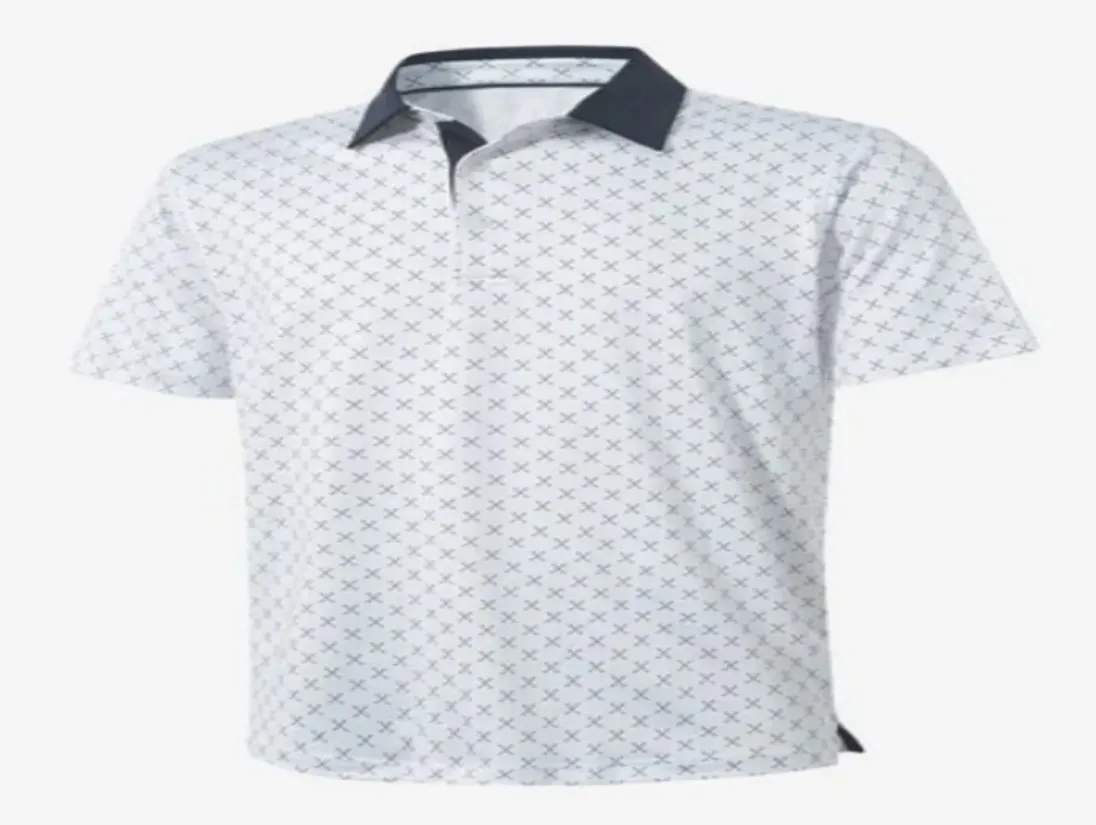
When walking into typical men’s clothing store, it is common to see racks filled with short-sleeved collared shirts that appear very similar at first glance. These shirts are popular choices for casual outings, weekend gatherings, and sporting activities. They offer a balance between comfort and a slightly polished appearance, making them suitable for many relaxed occasions. However, many shoppers pause when they notice that some garments are labeled as golf shirts while others are labeled as polo shirts. Even though the two styles often look almost identical, they are designed with different purposes in mind. Understanding how they differ in terms of materials, design, and functionality can help you decide which option is the better fit for your lifestyle and daily activities.
The history behind these shirts reveals why they developed into two slightly different garment categories. Polo shirts originated from the world of sport, specifically the game of polo played during the nineteenth century. British officers stationed in India adopted lighter and more comfortable clothing for playing polo in the warm climate. Their attire included short-sleeved shirts with collars that could be buttoned down to prevent them from flapping during play. Over time this idea evolved, but the modern polo shirt gained its real popularity thanks to the creativity of French tennis player René Lacoste. In 1926, he designed a short-sleeved shirt that replaced the stiff and restrictive tennis clothing of the time. His version included a soft collar, a buttoned placket at the neck, and a longer back hem so the shirt would remain tucked in during movement. This innovative design quickly became popular beyond the tennis court and eventually became widely known as the polo shirt.
Golf clothing followed a somewhat different path. In the early days of the sport, golfers wore extremely formal attire. It was common to see players on the course wearing jackets, ties, and heavy trousers, which made the game unnecessarily uncomfortable. As the sport grew and social attitudes toward sportswear began to relax during the twentieth century, clothing manufacturers started designing garments specifically for golf. These garments needed to provide comfort, flexibility, and protection from outdoor conditions. Golf shirts gradually emerged as specialized apparel that borrowed elements from tennis shirts but incorporated practical improvements suited to long hours on the golf course.
One of the most noticeable differences between polo shirts and golf shirts lies in the materials used to manufacture them. Traditional polo shirts are usually made from piqué cotton, a fabric recognized for its slightly textured surface and breathable structure. This weave allows air to circulate through the material while maintaining a structured and classic appearance. Cotton polo shirts are valued for their softness and durability, and many premium versions use high-quality cotton varieties that offer improved comfort and longevity. Because of their natural fibers, these shirts feel comfortable against the skin and maintain their shape even after repeated washing.
Golf shirts, on the other hand, are generally designed with performance in mind. Modern golf apparel often uses synthetic fabrics such as polyester blends or advanced technical materials. These fabrics provide a number of advantages that help golfers remain comfortable during extended periods of physical activity outdoors. One key benefit is moisture-wicking capability. This technology draws sweat away from the body and spreads it across the surface of the fabric, allowing it to evaporate quickly. As a result, the wearer stays cooler and drier even during hot weather or active movement. Many golf shirts also include ultraviolet protection, which helps shield the skin from prolonged sun exposure while playing.
Stretch ability is another important feature commonly found in golf shirts. The golf swing requires a wide range of motion involving the shoulders, arms, and torso. Fabrics that stretch easily allow players to move naturally without feeling restricted. In addition, performance fabrics often dry quickly and resist wrinkles, making them convenient for travel or repeated use during outdoor activities. Some premium golf shirts even include antimicrobial treatments to reduce odor and cooling technologies designed to regulate body temperature during hot conditions.
Beyond fabric differences, several design features help distinguish polo shirts from golf shirts. The collar is one of the most recognizable elements of either garment. Polo shirts typically feature soft ribbed collars that can be worn either folded down or slightly raised depending on personal style preferences. These collars create the classic casual look associated with polo shirts and contribute to their versatility in everyday fashion.
Golf shirts often incorporate collars that are slightly more structured. Some designs include reinforced materials or built-in collar supports that prevent the collar from curling or losing its shape. This attention to detail helps maintain a neat appearance throughout an entire round of golf, even in windy or humid conditions. While the difference may seem subtle, it reflects the performance-focused approach used in golf apparel design.
Sleeve design also plays a role in differentiating the two shirt types. Polo shirts usually have shorter sleeves that fit relatively close to the arms, creating a streamlined appearance that works well for casual wear. This tailored look is part of what makes polo shirts suitable for social settings where a simple t-shirt might appear too informal.
Golf shirts tend to have sleeves that are slightly longer and cut with a bit more room. This looser structure allows for greater freedom of movement, especially during the golf swing. The sleeve openings may include special stitching or ribbed edges that prevent them from riding up when the arms are raised or extended. These small adjustments enhance comfort without dramatically changing the shirt’s overall appearance.
Fit is another factor that separates these two styles. Polo shirts traditionally feature a slimmer, more tailored silhouette. The cut often follows the natural lines of the body, giving the wearer a neat and polished look. This makes polo shirts a popular choice for casual gatherings, weekend outings, and even certain workplace environments where a relaxed dress code is acceptable.
Golf shirts are usually designed with a slightly looser fit through the chest, shoulders, and torso. This extra room allows golfers to rotate their bodies freely during swings. The relaxed structure also promotes airflow, helping to keep the wearer cool during long periods of activity outdoors. Although the difference in fit is subtle, it reflects the functional priorities behind golf apparel design.
Another key difference involves the practical features built into the shirts. Golf shirts are engineered to support athletes who spend several hours playing in outdoor environments. Moisture management systems are particularly important because golfers may be exposed to heat and sunlight for extended periods. Performance fabrics move perspiration away from the skin and allow it to evaporate quickly, reducing discomfort and preventing the shirt from feeling heavy or damp.
Movement flexibility is also a priority for golf clothing designers. Some golf shirts include additional fabric panels or subtle pleats near the shoulder blades to provide extra mobility. Others incorporate stretchy side panels that help accommodate torso rotation during the swing. Many golf shirts are also slightly longer in the back to ensure they remain tucked into trousers during physical movement. These thoughtful details contribute to improved comfort and performance on the course.
Polo shirts, in contrast, focus more on style versatility than on athletic performance. While they are comfortable and breathable, they usually do not include the same advanced performance technologies found in golf apparel. Instead, they are designed to transition easily between different casual settings. This adaptability has helped polo shirts become a staple in many wardrobes around the world.
Fashion preferences also influence the differences between these two shirt types. Polo shirts are available in a wide range of colors, patterns, and designs. Some feature bold stripes, color-blocking effects, or decorative elements that make them stand out as fashion pieces. Because of their versatility, polo shirts can easily be paired with chinos, denim, shorts, or even lightweight blazers for a relaxed yet refined look.
Golf shirts historically favored more conservative colors and simple patterns in keeping with traditional golf etiquette. Although modern designs have expanded the available options, many golf courses still encourage a polished and understated appearance. As a result, golf shirts often maintain a cleaner and more subtle visual style compared with fashion-oriented polo shirts.
Branding is another area where differences can be seen. Polo shirts frequently feature visible logos or embroidered symbols on the chest, sleeve, or collar. For many fashion brands, these logos serve as an important part of the garment’s identity and style appeal. Some luxury brands use elaborate embroidery or large emblems that act as recognizable fashion statements.
Golf shirts typically adopt a more restrained approach to branding. Logos are usually smaller and placed discreetly on the chest or sleeve. This subtle branding aligns with the traditional values of the sport, which emphasize elegance and simplicity. However, some modern sportswear companies have begun experimenting with more creative designs that blend performance features with contemporary style.
When deciding between these two shirt styles, it is helpful to consider the setting in which the garment will be worn. Polo shirts are extremely versatile and can be worn in a variety of social environments. They work well for casual gatherings, summer barbecues, informal dinners, and relaxed workplace settings. Paired with chinos or tailored shorts, a polo shirt creates a neat appearance that feels comfortable yet slightly refined.
Golf shirts are most appropriate for athletic activities, particularly golf itself. Their performance fabrics, moisture-wicking capabilities, and flexible designs make them ideal for sports and outdoor recreation. While they can also be worn casually, their technical appearance may sometimes feel too sporty for certain social situations.
Maintenance requirements may also influence your decision. Cotton polo shirts often require a bit more care when washing and drying. Natural fibers can shrink or lose shape if exposed to high heat, so many people prefer to air dry them to preserve their fit and structure. Cotton shirts may also need occasional ironing to maintain a crisp look. Get more info about golf brand clothing.
Golf shirts made from synthetic performance fabrics are typically easier to maintain. These materials resist wrinkles and tend to hold their shape well even after machine washing and drying. They also dry faster, which makes them convenient for people who lead active lifestyles or travel frequently.
Ultimately, both golf shirts and polo shirts have their own advantages. Polo shirts remain a timeless wardrobe staple because they offer a balanced combination of comfort, style, and versatility. They can be worn in many different situations and easily adapted to personal fashion preferences. Golf shirts, meanwhile, excel in performance environments where comfort, flexibility, and moisture management are essential.
Here are some golf shirts available online:
1. Stylish Stripe Jersey Golf Polo
The Stylish Stripe Jersey Golf Polo represents the perfect intersection of athletic performance and refined casual aesthetics. Crafted from a premium jersey knit, this garment prioritizes a soft, luxurious hand-feel that differentiates it from the more abrasive piques traditionally found on the links. The fabric is engineered with a high-performance blend that offers four-way stretch, ensuring that the golfer’s swing remains fluid and unrestricted from the tee box to the final putt. Beyond its physical flexibility, the moisture-wicking properties are essential for maintaining comfort during long rounds under the sun, as the material actively draws perspiration away from the skin to facilitate rapid evaporation.
Visually, the polo utilizes a sophisticated striped pattern that serves to elongate the torso and provide a modern, streamlined silhouette. These stripes are often subtly integrated with varying widths or tonal shifts to create a look that is dynamic without being distracting. The structured collar and reinforced placket ensure the shirt maintains its shape through repeated washes and high-intensity wear. Whether paired with technical trousers for a competitive tournament or with classic chinos for a post-round lunch at the clubhouse, this polo transitions seamlessly between environments, embodying a versatile elegance that appeals to the contemporary athlete.
2. Popular Heather Print Polo
The Popular Heather Print Polo has become a staple in modern athletic and casual wardrobes, primarily due to its unique visual texture and exceptional performance capabilities. The term "heather" refers to the process of blending multi-colored yarns—typically a mix of grey or charcoal with a primary hue—to create a muted, speckled effect. This depth of color provides a sophisticated alternative to solid tones, masking minor imperfections and perspiration while maintaining a vibrant, textured appearance. When this aesthetic is applied to a high-performance jersey or piqué knit, the result is a garment that looks as natural in a professional office setting as it does on a sun-drenched fairway.
Beyond its visual appeal, the fabric is usually engineered with a lightweight polyester-spandex blend that offers significant technical advantages. The moisture-wicking technology integrated into the fibers ensures that the wearer remains dry by pulling sweat away from the body, while the four-way stretch construction allows for a full range of motion. A structured self-fabric collar and a classic three-button placket provide a crisp, tailored finish that resists curling over time. This combination of durability, breathability, and understated style makes the heather print polo an incredibly versatile choice for those who value both function and fashion.
3. Elegant Performance Jacquard Polo
The Elegant Performance Jacquard Polo represents a sophisticated advancement in athletic apparel, where intricate textile engineering meets high-end fashion. Unlike traditional printed or solid-dyed shirts, the jacquard knit features patterns woven directly into the fabric's structure. This technique creates a subtle, tone-on-tone depth and a rich texture that feels substantial yet remains remarkably breathable. The result is a garment that possesses a distinct visual complexity—often featuring geometric or micro-mesh motifs—that catches the light differently with every movement, providing a more elevated aesthetic than standard performance wear.
Functionally, this polo is designed to excel under physical demand while maintaining a crisp, professional silhouette. The specialized knit construction allows for natural ventilation zones within the pattern itself, promoting superior airflow and moisture management. Crafted from a high-quality blend of synthetic fibers, the fabric offers an impressive four-way stretch that moves with the body without losing its shape over time. With a reinforced collar that resists curling and a tailored placket, the Elegant Performance Jacquard Polo transitions effortlessly from a high-stakes round of golf to a business-casual dinner. It stands as a testament to the idea that technical performance does not have to come at the expense of refined, classic style.
4. Moisture Wicking Color Block Polo Shirts
Moisture Wicking Color Block Polo Shirts represent a dynamic fusion of bold, athletic styling and high-performance textile engineering. Defined by their distinct panels of contrasting colors, these shirts offer a modern, architectural aesthetic that breaks away from the uniformity of traditional solid polos. This color-blocking technique is often strategically applied to the shoulders, side panels, or sleeves, creating a visually slimming effect that emphasizes a professional, athletic silhouette. Whether used for a cohesive team uniform or a standout individual piece, the vibrant contrast ensures a sharp appearance that remains crisp and defined throughout a full day of activity.
Beyond the striking visual design, the core functionality of these polos lies in their advanced moisture-management systems. Crafted from specialized synthetic fibers, the fabric is designed to pull perspiration away from the skin and disperse it across the outer surface for rapid evaporation. This process keeps the wearer cool and dry even during high-intensity movements or in humid conditions. The inclusion of integrated stretch properties ensures that the shirt moves in harmony with the body, providing an unrestricted range of motion. Finished with a flat-knit collar and a reinforced placket, the moisture-wicking color block polo is a versatile powerhouse that transitions effortlessly from active performance to casual social settings.
5. Everyday Classic Solid Polo
The Everyday Classic Solid Polo is the ultimate cornerstone of a versatile wardrobe, offering a timeless aesthetic that prioritizes simplicity and clean lines. Unlike patterned or graphic alternatives, the solid polo relies on the richness of its hue and the quality of its construction to make a statement. This minimalist approach allows the garment to pair effortlessly with everything from structured blazers and chinos for a business-casual environment to relaxed shorts for a weekend outing. The uniform color palette provides a sharp, cohesive look that serves as a reliable foundation for any outfit, ensuring that the wearer remains appropriately dressed for almost any social or professional occasion.
Beyond its visual versatility, the Everyday Classic Solid Polo is engineered for sustained comfort and durability throughout a full day of wear. Typically crafted from a high-grade cotton piqué or a smooth jersey blend, the fabric is chosen for its breathability and soft touch against the skin. A well-constructed solid polo features a reinforced ribbed collar and a sturdy two- or three-button placket designed to retain its shape even after multiple washes. Side-vented hems provide a comfortable fit whether the shirt is worn tucked or untucked, allowing for a natural range of motion. This balance of understated style and functional design ensures that the classic solid polo remains a perennial favorite that never goes out of fashion.
Choosing between the two often depends on how you plan to use the shirt. If you are looking for a reliable everyday garment that works well for casual outings and relaxed social occasions, a traditional polo shirt is usually the better option. If you spend a lot of time on the golf course or participating in outdoor activities that require freedom of movement and temperature control, a golf polos for men will likely provide greater comfort and practicality.
Understanding these subtle differences allows you to make a more informed decision when shopping. Although the two styles may appear similar at first glance, their materials, design features, and intended uses set them apart in meaningful ways. By considering how and where you plan to wear the shirt, you can choose the option that best matches your lifestyle while ensuring both comfort and style.

