GPT Image 2 Is Changing How Everyday Users Create Visuals: How AI Image Generators Turn Ideas into Usable Images
For a long time, creating a good image meant moving through several separate steps: finding references, writing copy, taking or sourcing images, editing them, and then going through rounds of feedback. For everyday users, small businesses, and lean content teams, the problem was never only about “not being a designer.” The real problem was that visual production took too much time, and even simple requests often required too many tools.
That is why GPT Image 2 has become such a strong search topic. In practice, the term often reflects public interest in the new generation of GPT-based image creation and editing experiences. Official OpenAI documentation currently uses names such as GPT Image and gpt-image-1 on the API side, while ChatGPT product materials describe a newer Images experience with stronger creation and editing features. In other words, “GPT Image 2” works well as a search-facing keyword, even though the official naming is more specific.
What makes this shift important is that modern image tools are no longer limited to a one-shot prompt box. A strong AI Image Generator now supports both Text to Image and Image to Image workflows. It can generate from scratch, accept uploaded references, follow more precise instructions, and continue improving an image across multiple edits. That turns AI image creation from a novelty into a practical workflow for real users.
What Is GPT Image 2 AI Technology?
In everyday search language, GPT Image 2 usually refers to a new wave of image generation systems that combine language understanding with visual creation and editing. It is not just an AI text to image generator anymore. It is also a system that can understand style, subject, layout, tone, and revision requests in a more natural way.
That is why people increasingly discuss Text to Image AI Generator tools and AI Image to Image Generator tools as part of the same workflow. One helps you start from an idea. The other helps you refine, restyle, or rebuild what you already have. Together, they let users convert words into visuals with AI and also transform existing images into new ones.
How It Works (Light Technical Overview)
At a simple level, the model reads your prompt and breaks it into visual instructions: subject, environment, style, mood, composition, lighting, and details. It then builds an image that matches that instruction set. If you upload an existing image, the system uses that image as a reference and decides what should stay consistent and what should change.
This is why Image to Image is more than a filter. A real Image to Image AI Generator can preserve structure, identity, or key visual cues while still applying new directions. More advanced systems also support iterative editing, so you can say things like “keep the character, change the background,” “make the text clearer,” or “turn this into a cleaner product shot,” and keep improving the same asset rather than starting over every time.
The Value of GPT Image 2 AI Model
The biggest value is not that AI replaces every creative role. The real value is that it lowers the barrier between an idea and a usable visual. In the past, many people could describe what they wanted, but they could not produce it quickly. Now, a capable Text to Image AI Generator can turn a rough thought into a first draft, while an AI Image to Image Generator can improve an existing asset without forcing the user back to square one.
For individuals, this removes the pressure of starting from nothing. For small teams, it cuts down on back-and-forth revisions. For marketers and creators, it shortens the distance between concept and publishable content.
Practical Use Cases of GPT Image 2 AI
1. Social media visuals and blog covers
This is one of the clearest use cases. Most users do not need a museum-grade artwork. They need a visual that matches a topic, fits a platform, and can be produced quickly. An AI Image Generator is useful here because it allows fast iteration. The same topic can be rendered in a minimal style, a realistic style, an illustration style, or a campaign-style layout without rebuilding from scratch every time.
2. Ecommerce product images and campaign variations
Ecommerce teams often need more than one kind of image: clean product shots, contextual lifestyle scenes, promo visuals, and seasonal variations. A Text to Image workflow can help explore concept directions, while Image to Image can turn an existing product photo into multiple commercial-ready variations. In practical terms, you can transform your original photo into a new work that fits ads, landing pages, or social posts without repeating the whole production process.
3. Personal photo restyling and old image refresh
For everyday users, one of the most useful applications is not generating from zero. It is improving what they already have. A travel photo can become a softer editorial image. A casual portrait can become a more polished profile photo. An old image can be cleaned up, recolored, or restyled. That is where AI Image to Image Generator workflows feel especially practical: they preserve what matters while upgrading the final look.
4. Article illustrations, tutorials, and concept visuals
Writers and educators often finish their content before they solve the visual problem. A strong AI text to image generator can create simple supporting visuals for concepts such as remote work, product automation, AI workflows, or digital marketing. It may not replace full information design, but it can dramatically reduce the gap between “finished text” and “no illustration available.”
5. Early-stage ideation and team communication
In many teams, the value of GPT Image 2 is not only in the final image. It is in reaching alignment faster. When a concept exists only in language, each person imagines something different. A quick set of visual drafts creates a shared reference point. That is where the promise to convert words into visuals with AI becomes operational, not just inspirational.
Tools Supporting This Workflow
When choosing tools, it helps to think in terms of workflow rather than hype. Some tools are strongest at fast Text to Image generation. Others are better for Image to Image refinement. A third category focuses on keeping generation, editing, enhancement, and export in one place so users do not have to move files between several products.
For users who want a more unified process, MindVideo AI is one example of an all-in-one platform that combines AI image creation with text-to-image and image-to-image features inside a broader creative workflow. That model is especially useful for non-design users who care less about model names and more about getting from prompt to finished asset with fewer steps.
The most important questions are simple. Can the tool understand everyday language well? Can it keep improving an image instead of forcing a reset? Can the output move easily into publishing, marketing, or content production? When the answer is yes, the tool stops feeling experimental and starts feeling genuinely useful.
Future Trends in GPT Image 2 AI
The next phase of AI image generation is unlikely to be defined only by who can create the prettiest picture. It will be defined by who supports the best end-to-end workflow.
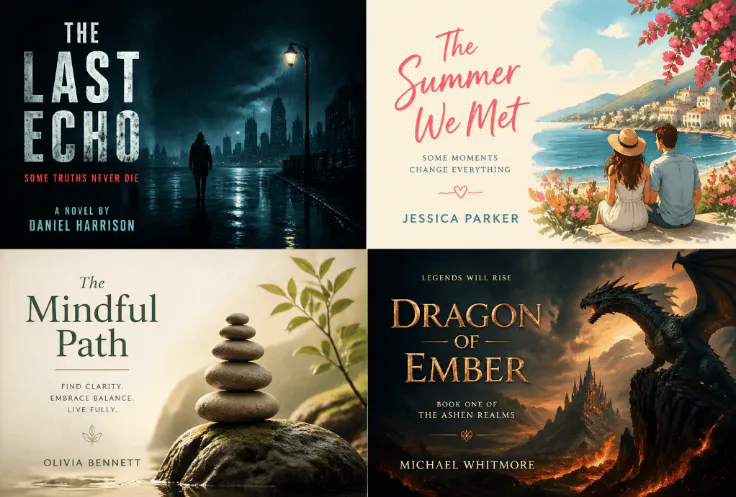
The first trend is stronger iterative editing. Users will expect to keep refining the same image across multiple turns. The second trend is better text rendering and layout control, which matters for ads, thumbnails, covers, and promo graphics. The third trend is that Image to Image will become even more important than pure generation, because so many real-world needs begin with “I already have an image, but I need it changed.” The fourth trend is tighter integration across image, video, design, and publishing pipelines. Recent updates from OpenAI, Google, and Adobe all point in that direction: stronger instruction following, direct editing of uploaded images, and broader support for multi-model or image-to-image workflows inside the same product environments.
Conclusion
For everyday users, GPT Image 2 is not just a trendy phrase. It represents a more practical way to create visual content. An AI Image Generator helps turn ideas into visible drafts. Text to Image makes it easier to start from nothing. Image to Image gives existing visuals a second life.
The real shift is not simply that AI can generate pictures. The real shift is that more people can now produce, revise, and reuse visuals without getting stuck at the first step. That is what moves AI image generation from curiosity to everyday value.

