How a Goat Pregnancy Calculator Can Help Farmers Plan the Kidding Season
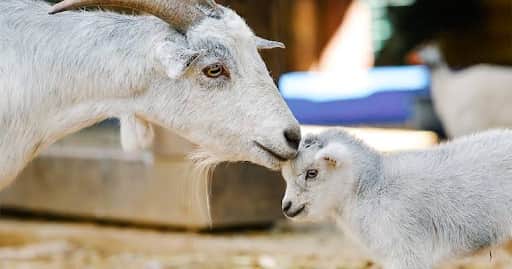
Successful goat farming depends on careful planning, consistent record keeping, and good animal care. Breeding is one of the most important parts of herd management because the timing of pregnancy affects nutrition, housing, health monitoring, and preparation for kidding. Farmers who maintain accurate breeding records can make better decisions throughout the gestation period and prepare for the arrival of newborn kids.
Digital tools have made this process easier for both experienced breeders and new goat owners. A goat pregnancy calculator can help estimate an expected kidding date based on the breeding date. While an estimated date cannot replace veterinary guidance or close observation, it provides a useful planning reference for managing the final weeks of pregnancy.
Understanding Goat Gestation
Goat pregnancy, also known as gestation, generally lasts around five months, although the exact length can vary between individual animals. Breed, litter size, health, nutrition, and other factors may influence the timing of birth.
Knowing the approximate gestation period gives farmers a starting point for planning. Once a breeding date is recorded, the expected kidding window can be estimated and added to the farm's schedule.
Keeping these dates organized becomes particularly important when several goats are pregnant at the same time.
Why Accurate Breeding Records Matter
Good breeding records provide valuable information throughout the pregnancy. Farmers can record the date a doe was bred, the buck involved, previous kidding history, health information, and other relevant details.
These records make it easier to estimate future kidding periods and monitor reproductive performance. They can also help farmers identify successful breeding patterns and make informed decisions when planning future matings.
Digital records can reduce the risk of misplaced information and make important dates easier to access.
Preparing for Kidding
Preparation should begin well before the expected birth. Farmers may need to arrange a clean and comfortable kidding area, prepare suitable supplies, and monitor the pregnant doe more closely as the expected date approaches.
Having an estimated kidding date makes this preparation easier to organize. Farmers can schedule their time, check housing conditions, and ensure necessary supplies are available.
Good preparation can reduce last-minute stress and help create a safer environment for both the doe and her kids.
Monitoring a Pregnant Doe
A pregnant goat requires appropriate care throughout gestation. Farmers should pay attention to appetite, behavior, body condition, movement, and other changes that may indicate a health concern.
Nutrition is particularly important because the doe's nutritional requirements can change during pregnancy. A veterinarian or qualified livestock professional can provide guidance based on the animal's individual needs.
An estimated kidding date should support regular observation rather than replace it.
Using Digital Tools for Herd Management
Technology can simplify many routine farming tasks. Online calculators can help with date estimation, while digital record systems can organize breeding, vaccination, health, and production information.
These resources reduce manual calculations and make it easier to keep important information accessible.
For small farms, simple online tools can provide practical assistance without requiring complicated management systems.
Benefits for Small Goat Farms
Small-scale goat owners may not have dedicated staff to manage breeding records and schedules. Simple digital resources can therefore be particularly helpful.
A calculator can provide a quick estimate without requiring manual date calculations. Owners can then use that information to organize feeding, housing, observation, and preparation.
This makes basic herd management more convenient while helping new goat owners become more organized.
Managing Multiple Pregnancies
Managing several pregnant does can make record keeping more complicated. Each animal may have a different breeding date and expected kidding period.
Keeping individual records allows farmers to create a clear schedule for monitoring each goat. This can help ensure that no animal is overlooked as its expected kidding period approaches.
Organized records are especially useful during busy breeding seasons.
Nutrition and Veterinary Care
Pregnancy places additional demands on a goat's body. Proper nutrition supports the health of the doe and developing kids, but dietary requirements should be based on the animal's condition and stage of pregnancy.
Regular veterinary care can also help identify potential health issues. Farmers should seek professional advice if a pregnant goat shows unusual symptoms, stops eating, appears distressed, or experiences signs of complications.
Digital calculators provide planning information, but they should not replace professional animal care.
Recognizing the Limits of Estimated Dates
A calculated kidding date is an estimate rather than a guaranteed birth date. Goats can give birth earlier or later than the expected date, and individual pregnancies can vary.
Farmers should therefore use estimated dates as a planning tool while continuing to monitor their animals.
Close observation becomes especially important as the expected kidding period approaches.
Improving Farm Organization
Good organization can make livestock management more efficient. Farmers can combine estimated kidding dates with feeding schedules, health records, vaccination reminders, and other important farm tasks.
A simple calendar or digital management system can help keep these responsibilities organized.
Better organization also makes it easier to review previous breeding seasons and improve future herd management practices.
Supporting Better Animal Welfare
Planning ahead contributes to animal welfare. When farmers know approximately when a doe may give birth, they can provide suitable housing, increase observation, and prepare for the needs of newborn kids.
Early preparation also gives farmers more time to contact a veterinarian if they have concerns about a pregnancy.
Responsible planning supports a safer and more comfortable environment for the animals.
Conclusion
Managing goat pregnancies requires attention to breeding records, nutrition, health, housing, and preparation for kidding. Estimated dates can make these responsibilities easier to organize, especially when farmers manage multiple pregnant does.
A goat pregnancy calculator can serve as a convenient planning resource by helping estimate when a doe may give birth based on her breeding date. When combined with accurate records, regular observation, proper nutrition, and professional veterinary care, digital tools can help goat owners manage pregnancies more confidently and prepare for a successful kidding season.

