How a Random Russian Name Generator Can Support Writing, Learning, and Creative Projects
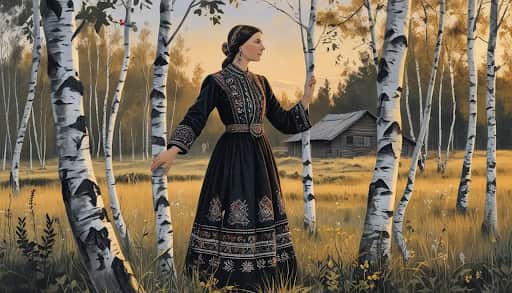
Choosing the right name can be surprisingly difficult. Writers need names that fit their characters, game developers need believable identities for fictional worlds, and language learners may want to understand how names are formed in different cultures. A suitable name can add depth to a character and make a fictional setting feel more convincing.
Digital name-generation tools can simplify the brainstorming process. A random Russian name generator can provide ideas for Russian-style names when users need inspiration for stories, role-playing games, creative projects, or other content. While generated suggestions should not replace cultural research, they can give creators a useful starting point.
Why Names Matter in Storytelling
A character's name is often one of the first details readers encounter. It can help establish a character's identity, background, age, or cultural setting.
For authors, choosing names that fit the story can make characters feel more realistic. A historical novel, modern drama, fantasy story, and mystery may each require different naming approaches.
Instead of selecting a name randomly without considering the story, writers can explore names that fit the character's personality and environment.
Understanding Russian Naming Traditions
Russian names have distinctive structures that can be useful for writers to understand. A traditional Russian full name commonly includes a given name, patronymic, and family name.
The patronymic is generally connected to the father's first name. This structure gives Russian names a cultural context that may not be familiar to people from other naming traditions.
Learning these basics can help writers create characters whose names feel more appropriate to their setting.
Creating Fictional Characters
Writers often need names for large groups of characters. Developing names individually can take considerable time, particularly when a story includes an entire community or fictional country.
A name generator can provide multiple suggestions quickly. Writers can review the options and select names that suit their characters.
The generated results can then be modified if necessary. Authors may adjust names based on the period, location, personality, or role of a character.
Supporting Worldbuilding
Worldbuilding involves creating the details that make a fictional setting believable. Names are an important part of that process because they help establish the identity of different communities.
For a story inspired by Russia or a fictional region with Russian influences, consistent naming patterns can strengthen the setting.
Creators can establish naming conventions for families, cities, organizations, and characters. This makes the fictional world feel more coherent.
Uses in Games and Role-Playing
Game developers and role-playing enthusiasts frequently need character names. Players may want names for warriors, merchants, villagers, historical figures, or fantasy characters.
Generating several options can make character creation faster. Instead of spending too much time brainstorming, users can focus on the character's appearance, personality, abilities, and role within the game.
For role-playing campaigns, name generators can also help game masters create names for non-player characters during preparation.
Helping Writers Avoid Repetitive Names
Long stories often contain dozens of characters. Using similar names repeatedly can confuse readers and make characters harder to distinguish.
A generator can provide a broader selection of naming ideas. Writers can create a list of possibilities and assign different names to characters based on their importance and background.
Maintaining a character name list during the writing process can also reduce accidental repetition.
Choosing Names Based on Character Personality
A good character name should fit the overall identity of the person being portrayed. A serious historical character may require a different name from a humorous fictional character.
Writers can consider age, social background, location, family relationships, and time period before selecting a name.
A generated name is only the beginning. The creator's judgment determines whether it actually works within the story.
Names for Historical Fiction
Historical fiction requires additional attention to accuracy. Names that sound appropriate today may not have been common during the historical period being portrayed.
Writers working on historical projects should research naming practices from the relevant era. They can use generators for brainstorming but should verify important details through historical sources.
This extra step can help avoid anachronisms and create more convincing characters.
Cultural Accuracy and Respect
Using names from another culture requires responsibility. A generator can produce possibilities, but users should understand that a name does not automatically represent an entire culture.
Writers should avoid using cultural names merely as stereotypes. Researching meanings, naming traditions, and historical context can lead to more respectful creative work.
When authenticity matters, consulting reliable cultural or linguistic sources can provide additional context.
Supporting Language Learners
Name generators can also be useful for language students. Learners may use generated names to practice reading, pronunciation, spelling, and basic cultural concepts.
Teachers can incorporate names into classroom exercises involving introductions, dialogues, or language practice.
This can make lessons more engaging while giving students exposure to naming structures they may encounter in real-world situations.
Using Digital Tools as Creative Assistants
Online generators are most effective when users treat them as brainstorming assistants. They can reduce the time needed to produce initial ideas, but the final decision should remain with the creator.
Writers can combine generated names with research, character development, and editing. This creates a workflow where technology handles repetitive brainstorming while humans focus on meaning and creativity.
The same approach works for game development, role-playing, and educational activities.
Keeping Character Information Organized
Once names have been selected, creators should keep character information organized. A simple spreadsheet or writing document can include each character's name, age, occupation, relationships, personality traits, and role in the story.
This prevents continuity problems and helps writers remember important details during longer projects.
For large fictional worlds, organized character databases can become especially valuable.
Conclusion
Names can add authenticity and personality to stories, games, educational activities, and creative projects. When creators need inspiration, a random Russian name generator can provide useful starting points and save time during the brainstorming process.
However, generated names should always be considered within their cultural and narrative context. By combining digital generation tools with research, thoughtful character development, and cultural awareness, writers and creators can develop names that feel natural, meaningful, and appropriate for their projects.

