How a Recipe Manager App Helps You Understand Recipe Nutrition
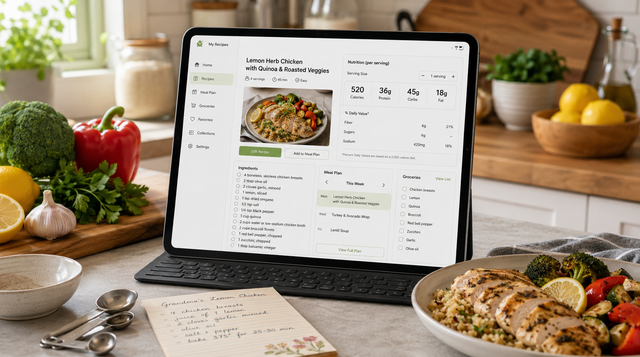
Home cooking gives people more control over what they eat, but it can still be hard to understand the nutrition behind each meal. Unlike packaged food, homemade recipes do not usually come with a nutrition label. You may know the ingredients, but you may not know the estimated calories, macros, serving size, or how small ingredient changes affect the final meal.
This becomes even harder when recipes come from different places. One recipe may come from TikTok, another from Instagram, another from a website, and another from an old family card. Some recipes include nutrition details, while others do not. Some have clear servings, while others only say “serves a family” or “makes one tray.”
A recipe manager app helps home cooks keep recipes organised while also adding useful nutrition context. Instead of guessing what is in a homemade meal, users can review estimated nutrition based on ingredients, servings, and recipe details, then use that information while planning, shopping, and cooking.
Why Homemade Recipes Need Nutrition Context
Many people want to understand their meals better, but they do not necessarily need complicated diet tracking. They may simply want to know whether a recipe is light or filling, how many servings it makes, or whether it fits their usual eating goals.
Homemade recipes can be difficult to judge by appearance alone. A soup may look simple but contain cream, oil, or cheese. A salad may seem light but include dressings, nuts, seeds, or high-calorie toppings. A pasta dish may vary a lot depending on portion size and ingredients.
Nutrition context helps home cooks make more informed choices. It does not need to replace common sense or professional advice. It simply gives extra information so people can plan meals with more confidence.
The Problem with Recipes from Social Media
TikTok and Instagram are full of exciting food ideas, but social media recipes often focus more on visual appeal than detailed nutrition. A short video may show the cooking process quickly, but it may not explain exact quantities, portion sizes, or ingredient swaps.
For example, a viral pasta recipe may include cheese, cream, oil, and sauce, but the video may not clearly show how much of each ingredient is used. A dessert reel may look easy, but the serving size may be unclear. A meal prep idea may mention protein, but not give enough detail to estimate the full nutrition.
When these recipes are saved into a digital cookbook, they can be cleaned up and organised. Ingredients can be reviewed, servings can be clarified, and nutrition estimates can become more useful.
Why Serving Size Matters
Serving size is one of the most important parts of recipe nutrition. The same recipe can look very different depending on whether it serves two people, four people, or eight people.
For example, a casserole may contain the same total ingredients, but the nutrition per serving changes when the number of portions changes. If a recipe is divided into four servings, each serving will be larger than if it is divided into six or eight.
This is why a nutrition estimate should stay connected to the recipe’s serving details. Home cooks need to understand not only what is in the full recipe, but how that recipe is divided.
A digital cookbook makes this easier by keeping recipe details, servings, and nutrition context together.
Understanding Calories and Macros
Calories and macros can be useful for many home cooks. Calories give a general idea of energy in a recipe, while macros usually refer to protein, carbohydrates, and fat. These details can help people compare meals and plan more balanced eating.
For example, someone planning lunches for the week may want recipes with more protein. Someone cooking dinner for a family may want to compare a heavier pasta dish with a lighter rice bowl. Someone preparing snacks may want to understand how ingredients affect the final recipe.
The goal is not to make cooking feel strict or stressful. The goal is to give home cooks useful information so they can make better choices.
Comparing Recipe Changes
Recipes often change in real kitchens. A home cook may swap Greek yogurt for cream, use less oil, add more vegetables, change the brand of an ingredient, or increase the amount of protein. These changes can affect the nutrition estimate.
A useful recipe nutrition tool should make it easier to review those changes. If you adjust ingredients or serving size, the nutrition context should also reflect the updated version of the recipe.
This is helpful because many people do not cook recipes exactly as written. They adapt recipes based on taste, budget, health goals, ingredients available at home, or family preferences.
When edits and nutrition estimates stay connected, the recipe becomes more practical.
Cleaning Up Imported Recipes
Imported recipes do not always arrive perfectly. A recipe from a website may include long descriptions, unclear serving sizes, or ingredients written in different formats. A recipe from Instagram or TikTok may need extra details added manually. A scanned handwritten recipe may need review before it is accurate.
Before nutrition estimates can be useful, recipe ingredients and quantities should be clear. If a recipe says “some butter” or “a handful of cheese,” the estimate may not be very helpful. But if the ingredient list is cleaned up, the nutrition context becomes more useful.
This is why recipe management and nutrition work well together. Organising the recipe properly helps make the nutrition estimate more meaningful.
Using Nutrition While Meal Planning
Nutrition becomes more useful when it is connected to meal planning. Instead of looking at one recipe in isolation, home cooks can compare meals across the week.
For example, if Monday’s dinner is rich and filling, Tuesday’s meal might be lighter. If lunch needs more protein, a user can choose recipes that better match that goal. If a family is planning meals for the week, nutrition context can help balance heavier dishes with simpler ones.
This does not mean every meal has to be calculated perfectly. It simply means the meal plan becomes more informed.
A recipe collection with nutrition context can help people plan meals that fit their routine better.
Building Better Shopping Lists
When recipes are planned properly, shopping becomes easier. Nutrition estimates can also support smarter shopping because they encourage users to look more closely at ingredients and quantities.
For example, if a recipe uses cream, cheese, and butter, a user may decide to adjust the ingredients before shopping. If a recipe needs more protein, they may add chicken, beans, lentils, tofu, or another preferred ingredient. If a serving size is too small, they may scale the recipe before creating the shopping list.
This helps connect nutrition awareness with real grocery decisions.
Nutrition for Family Recipes
Family recipes are often written from memory or tradition. They may not include exact measurements or serving sizes. A handwritten card may say “add flour until right” or “cook until done.” These recipes are meaningful, but they can be difficult to understand nutritionally.
Scanning and saving family recipes into a digital cookbook can help modernise them. Once the recipe is cleaned up, ingredients and servings can be reviewed. Then nutrition estimates can provide extra context without changing the original meaning of the recipe.
This is useful for families who want to keep traditional dishes but also understand them better. A recipe can remain personal and familiar while becoming easier to plan and cook from.
Nutrition Estimates Are Not Medical Advice
It is important to treat recipe nutrition as an estimate, not a medical measurement. Ingredient brands, exact quantities, cooking methods, and serving sizes can all affect the final result.
For people with medical conditions, allergies, strict diet requirements, or health concerns, professional advice from a doctor, dietitian, or qualified health expert is still important.
For everyday home cooking, however, nutrition estimates can be useful planning guidance. They help people understand recipes more clearly and make more informed choices without turning cooking into a complicated task.
Helping Home Cooks Make Smarter Recipe Choices
A recipe collection becomes more powerful when it includes more than just instructions. When recipes are organised, searchable, editable, and supported with nutrition context, they become easier to use in real life.
Home cooks can save recipes from TikTok, Instagram, websites, cookbooks, and handwritten cards, then review the ingredients, adjust servings, compare changes, and plan meals with better information.
This helps turn scattered recipe ideas into a practical cooking system.
A More Useful Way to Manage Recipes and Meals
Understanding recipe nutrition does not have to be complicated. For most home cooks, the goal is simple: know more about what is being cooked, plan meals with more confidence, and make small changes when needed.
A digital cookbook with nutrition features helps connect recipe saving, organisation, serving size, meal planning, and shopping. It gives home cooks useful context for homemade meals that do not come with packaged labels.
Whether a recipe comes from social media, a website, a photo, or a family card, keeping it in one organised place makes it easier to review, adjust, and cook again. With better recipe management and nutrition context, home cooking becomes more informed, more flexible, and easier to fit into everyday life.
