How a Risk Management System Helps Prevent Workplace Incidents
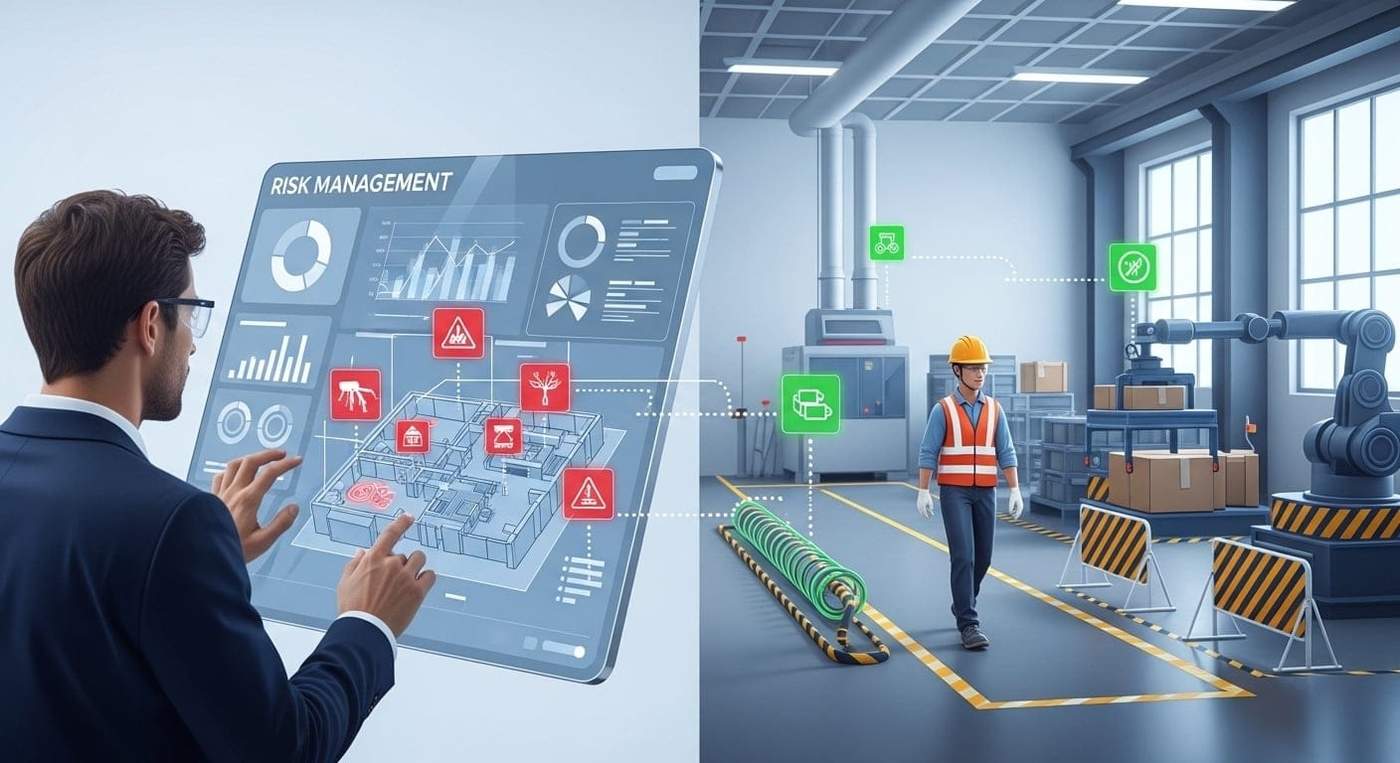
Workplace incidents rarely happen without warning. In most cases, hazards are known but not controlled, or risks are accepted without thought. When checks are rushed or responsibilities are unclear, small failures stack up. A risk management system exists to stop this process early, before harm occurs.
What Is a Risk Management System
A risk management system is a structured approach used to identify hazards, assess risk, put controls in place and review whether those controls work. It brings consistency to how risk is handled across tasks, teams and sites. Instead of relying on memory or judgment alone, it sets clear steps that must be followed.
The system links risk assessments, procedures, training and monitoring into one process. This allows organisations to see where risk sits and what action is required.
Common Causes of Workplace Incidents
Many incidents share the same root causes. Risk assessments are outdated. Controls are missing or ignored. Workers are unclear about safe methods. Supervisors assume tasks are understood.
Changes to work also create risk. New equipment, time pressure or different workers can all undermine existing controls. Without a system that prompts review, these changes go unchecked.
How a Risk Management System Reduces Risk
A risk management system reduces incidents by forcing risk to be considered before work begins and while work is ongoing. When supported by risk management software, hazards and controls are recorded, tracked and reviewed so gaps are visible rather than hidden.
Hazard Identification
The first step is spotting what could cause harm. This includes physical hazards, unsafe acts and environmental factors. Regular checks and worker input help identify issues that may not appear in paperwork.
Risk Assessment and Prioritisation
Once hazards are identified, risk is assessed. Likelihood and severity are considered, so effort is focused where harm is most likely. This prevents time from being wasted on low-impact issues while serious risks remain.
Control Measures
Controls are then selected and applied. These may include changes to the task, physical barriers, safe systems of work or training. The aim is to reduce risk to a level that is as low as reasonably practicable.
Clear Roles and Responsibilities
Controls only work if someone owns them. A risk management system defines who is responsible for putting controls in place, checking them and acting when they fail. This removes assumptions and closes gaps.
Monitoring and Review
Risk does not stay static. Tasks change and conditions shift. Regular review checks whether controls still work and whether new hazards have appeared. This keeps risk management active rather than a one-off exercise.
Supporting Safe Behaviour at Work
Systems influence behaviour when they are applied day to day. Clear procedures and visible controls guide workers on how tasks should be done. When risk is discussed openly, and actions follow reports, workers are more likely to speak up.
Training also plays a role. A well-designed risk assessment course helps staff understand why controls exist and how to spot risk in real situations. This supports better decisions at the point of work.
Improving Incident Reporting and Learning
Reporting only helps when it leads to action. A risk management system builds a clear route from report to fix. It also helps organisations spot patterns before someone gets hurt.
Simple Reporting Processes
Workers report more when the process is short and clear. Good systems allow quick reports for hazards, near misses and unsafe conditions. Reports should capture what happened, where it happened and what was in place at the time.
Root Cause Analysis
Fixing the surface issue does not prevent repeat incidents. Root cause analysis looks at what allowed the incident to happen. It checks planning, supervision, training, equipment, maintenance and workload. It also checks whether procedures were usable in real work.
Corrective and Preventive Actions
Actions need owners, deadlines and checks. A system tracks progress and stops issues from being forgotten. It also makes sure actions fix the cause, not just the symptom.
Sharing Lessons Learned
Lessons need to reach the people doing the work. Short briefings, toolbox talks and updates to procedures keep learning close to the task. Good systems also record what changed, why it changed and what must be done next time.
Legal and Compliance Benefits
UK health and safety law expects organisations to manage risk. A risk management system supports this by keeping records of risk assessments, control measures and reviews. It also provides evidence that hazards were identified, decisions were made and actions were taken.
This matters after an incident. Investigations focus on what was known, what was done and what was missed. Clear records help show whether controls were planned, implemented and checked. They also help identify failures that need fixing.
Long-Term Benefits for Organisations
Preventing incidents reduces disruption. Fewer injuries mean fewer absences, less rework and less downtime. It also reduces the chance of enforcement action, claims and damage to trust.
A system also improves planning. Risk information can be used to set priorities for maintenance, training and supervision. It helps managers see where controls fail and where teams need support. Over time, it builds routine discipline around safe work.
The Day the Incident Does Not Happen
A risk management system does not stop every hazard from appearing. It stops hazards from turning into harm. It does this by making risk visible, setting controls and forcing follow-through.
The strongest sign that a system works is silence for the right reasons. No emergency calls. No injuries. No scramble to explain what went wrong. Just work done with clear methods, clear roles and controls that hold under pressure.

