How a Sleep Headband Helps You Fall Asleep Faster
If you have ever spent hours tossing and turning, staring at the ceiling, and wishing for the sweet release of slumber, you are not alone. Millions of people struggle with sleep onset insomnia. While counting sheep or drinking chamomile tea works for some, modern technology has introduced a highly effective, science-backed solution: the sleep headband.
But how exactly does a smart wearable equipped with precision sensors translate to better rest? Let's dive into the technology, benefits, and the best options available today.
Key Takeaways
Beyond Basic Audio: Unlike standard headphones that play generic white noise, an advanced sleep headband uses technology for personalized, targeted sleep assistance.
The Science of Sleep: These devices utilize brainwave entrainment, precise acoustic stimulation, and sometimes bone conduction to guide your brain into a state of deep relaxation.
Drug-Free Benefits: Users experience faster sleep onset, improved sleep duration, and better next-day cognitive performance without the grogginess associated with sleeping pills.
Top Contenders: Brands like Muse, Elemind, Somnee, and Lumimind are leading the market, with Lumimind offering cutting-edge Brain-Computer Interface (BCI) technology for natural sleep enhancement.
What Is a Sleep Headband?
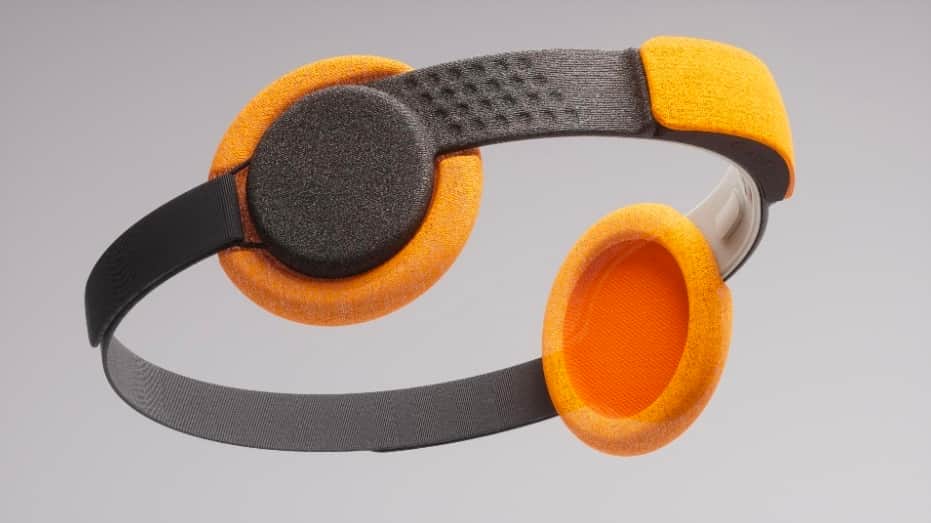
At its core, a headband for sleeping is a wearable device designed to help improve sleep quality and promote natural sleep. However, it is crucial to understand the difference between basic acoustic sleep headphones and advanced neuro-wearables.
Traditional sleep headphones simply play pre-recorded music, white noise, or nature sounds. This is a formulaic approach to sleep—it provides the same audio track regardless of what your brain is actually doing.
An advanced headset, on the other hand, is completely different. It utilizes Electroencephalography (EEG) to monitor your brain's electrical activity in real-time. Instead of guessing what you need, it provides targeted, personalized sleep assistance. By reading your brainwaves, the headset adjusts its audio or stimulation dynamically to match your exact neurological state, effectively coaching your brain to wind down.
The Science Behind Sleep Headbands for Faster Sleep
So, how does a sleep monitor actually get you to fall asleep faster? The secret lies in neuro-feedback and brainwave synchronization.
When you are awake and alert, your brain produces fast Beta waves. As you relax, these transition to slower Alpha and Theta waves, and eventually to Delta waves in deep sleep. An equipped headband reads these waves and uses advanced mechanisms to guide them:
Brainwave Entrainment: The device plays precisely timed audio cues (like binaural beats or specific soundwaves). Your brain naturally aligns its own electrical cycles with the rhythm of the audio—a process known as the "frequency following response."
Targeted Acoustic Stimulation: While many devices simply fade out relaxing audio as you fall asleep, some advanced sleep headbands utilize closed-loop systems. These systems continuously monitor brain activity and dynamically adjust sound in real time. Depending on the design, certain devices aim to enhance deep sleep through targeted stimulation, while others focus on shortening sleep onset by helping the brain transition more efficiently from wakefulness to sleep.
Bone Conduction Technology: Some sleep headbands use bone conduction, transmitting sound vibrations directly through your cheekbones or jaw to your inner ear. This eliminates the need for uncomfortable earbuds, allowing side-sleepers to rest naturally.
Benefits of Using a Sleep Headband
Investing in a smart wearable for your nighttime routine offers a cascade of benefits that go far beyond just falling asleep.
Support for Falling Asleep: Most sleep headbands are designed to improve overall sleep quality, while some devices incorporate technologies that more directly assist the process of falling asleep. Some devices use audio-based interventions, such as calming sounds, to help users relax before bedtime. In some advanced headbands, technology can be used together with feedback or stimulation to help guide the brain toward a more sleep-ready state.
Enhanced Next-Day Performance: Better deep sleep means enhanced memory consolidation and cellular repair. Users frequently report waking up with more energy, sharper focus for work, and an elevated capacity for learning and studying.
Safe and Drug-Free: Perhaps the most significant advantage is that this technology is non-invasive. It offers a powerful alternative to sleep medications, meaning zero risk of dependency and no morning grogginess.
Popular Sleep Headband Brands on the Market
As the neuro-wellness market expands, several brands have emerged as leaders in the sleep tech space. Here are some of the most popular options:
Muse Headband (e.g., Muse S / Muse 2): A well-known pioneer in the tech space. The Muse S features soft fabric and tracks brainwaves, heart rate, and breath, providing real-time feedback. It is widely praised for combining meditation training with sleep optimization.
Elemind Sleep Headband: This device focuses on utilizing to read brainwaves and deliver personalized acoustic feedback. It aims to actively cancel out "noise" in the brain, promoting faster sleep onset and deeper rest.
Somnee Smart Sleep Headband: Taking a slightly different approach, Somnee combines sensing with AI-personalized neurostimulation (tACS). It uses gentle electrical pulses to stimulate the brain's natural sleep patterns, actively improving sleep quality.
Lumimind Sleep Headband: Powered by state-of-the-art Brain-Computer Interface (BCI) technology, this device represents the next generation of natural sleep wearables. By accurately tracking brainwaves and delivering customized, real-time interventions, the Lumimind sleep headband seamlessly bridges the gap between clinical-grade sleep tracking and ultimate bedroom comfort.
Conclusion
Overcoming sleepless nights, no longer requires relying on guesswork or generic white noise playlists. By harnessing the power of technology, modern wearables can actually listen to your brain and guide it into a state of deep, restorative rest.
Leading the charge in this neuro-wellness revolution are innovative devices from brands like Muse, Elemind, Somnee, and Lumimind. Whether through personalized neuro-feedback, targeted acoustic stimulation, or cutting-edge BCI technology, these tools are transforming how we approach bedtime. If you are looking for a safe, science-backed, and drug-free way to fall asleep faster and wake up ready to conquer the day, an advanced sleep headband is undoubtedly an investment worth making.

