How AI Is Making Cat Breed Identification Accessible to Everyone
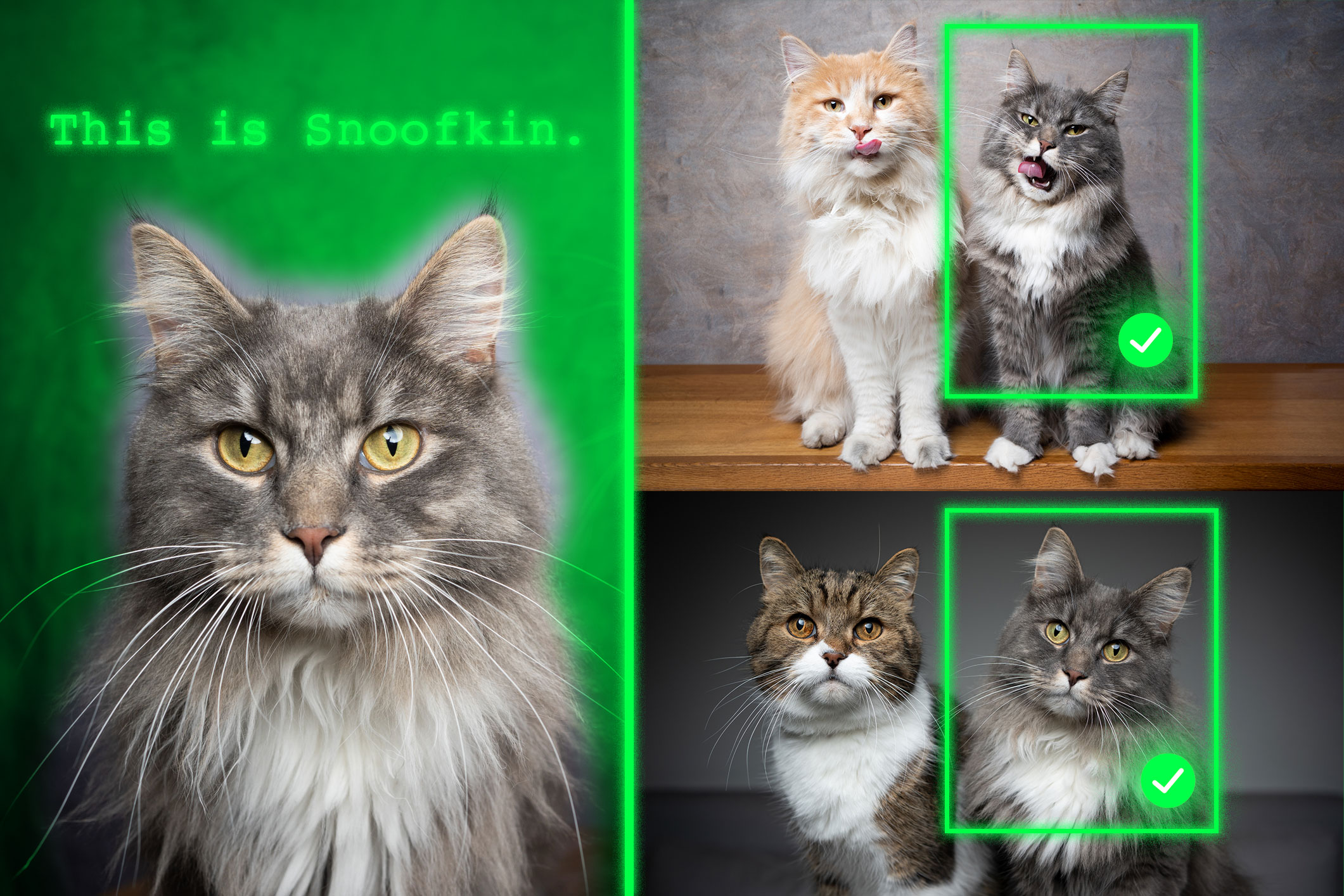
Ten years ago, figuring out what breed your cat resembled meant one route: a DNA kit, a cheek swab, and a two-to-four-week wait for results. Today it takes a phone camera and about ten seconds. Posting this because it's a good small case study in how "AI wrapper" products actually create real value when they solve a genuine cost/speed problem, not just a novelty one.
The short version:
AI-based breed identification now runs off a single photo — no lab work, no waiting period.
These tools read visible traits (coat, ear shape, face structure), not genetics, so they're clues, not certificates.
Cost has dropped from $80–150 per DNA test to free for most photo-based scanners.
Accuracy depends heavily on photo quality — lighting, angle, and a clear view of the cat matter a lot.
Photo scanning and DNA testing solve different problems. One's for curiosity, the other's for documentation.
What's actually happening under the hood
A model compares your cat's coat pattern, ear shape, eye colour, and body proportions against known breed standards, then returns the closest matches with a confidence score. That's a meaningfully different claim than a DNA test makes, and the tools that get this right are upfront about the difference — because most pet cats are mixed breed, and presenting a visual guess as a definitive answer just sets owners up to trust a wrong result.
Why this got cheap and easy so fast
Three things lined up. General-purpose vision models got good enough at fine-grained classification that breed-level distinction stopped needing cat-specific training data. Phone cameras got good enough that most people already have a usable photo sitting in their gallery. And per-image inference cost dropped low enough that a scanner can be offered free and still get subsidised by a light premium tier or ads.
Worth noting: the hard engineering problem here wasn't detection accuracy, it was honest uncertainty. Anyone can ship a model that spits out "Maine Coon, 92%." Getting a product to say "this is a visual clue, not proof" without killing the fun of the result is the actual product work.
How to actually get a usable result
If you want to try this yourself: take a clear, well-lit photo with the cat facing the camera, make sure most of the body is visible (not just the face), then check the confidence score alongside the top match instead of just taking the headline breed at face value. A blurry photo or heavy filter will still return a result — it just won't be a reliable one. Multiple angles noticeably help, since ear shape and body proportion aren't always visible from one frame.
Photo scan vs. DNA test, the actual tradeoff
A photo scan is free and instant and reads only visible traits — great for casual curiosity. A DNA test costs $80–150, takes two to four weeks, and gives lab-verified breed percentages. The real difference: one tells you what your cat looks like it is, the other tells you what it genetically is. DNA is worth the cost if you need documentation for a breeder, a health screening tied to breed-specific conditions, or a formal record. For the much more common "what breed do you think my cat is" question, a photo scan answers it in the time it takes to read this sentence.
This is where the free tools have quietly changed things. A few sites now run a no-signup cat breed scanner that checks a photo against dozens of breed profiles in seconds — no cost, no account. What used to require a specialist lab service is now a browser tab.
Where it still falls short
Photo tools can't detect genetics, can't tell a cat that just looks like a breed from one actually descended from it, and struggle with cats whose traits don't cleanly match any standard. A confidence score under roughly 70% should get read as "resembles," not "is" — a good tool says that plainly instead of forcing a clean single answer. There's also a fair pushback from breed purists that visual matching can mislead owners into thinking they've got a purebred when the traits are just shared across multiple lines. That's a real concern, and it's exactly why the confidence framing matters more than the raw accuracy number.
Practical tips if you want a reliable read
Treat the photo as the main variable you control. Natural daylight beats indoor lighting, a side profile plus a straight-on shot beats a single angle, and running the same cat through a tool twice on different days is a decent sanity check — if the top match swings wildly between runs, treat the result as low-confidence no matter what percentage it shows. If you want to try this without any signup, that's basically how you'd identify cat breed by photo with the fewest wasted attempts.
Why I think this is a good pattern to study
Small, well-scoped AI wrapper products keep getting dismissed as "just a prompt in a UI," but this category is a decent counterexample: real cost reduction (free vs. $80-150), real speed improvement (seconds vs. weeks), and a genuinely underserved audience (curious pet owners, not enterprise buyers). If you're looking at niche identification/classification ideas — plants, mushrooms, dog breeds, whatever — this is a reasonable template for what "small but real" looks like.
Curious what other people here have seen in the pet-tech or niche-identification space — anyone building something adjacent to this?

