How Computer Vision Libraries Improve Image Quality and Analysis
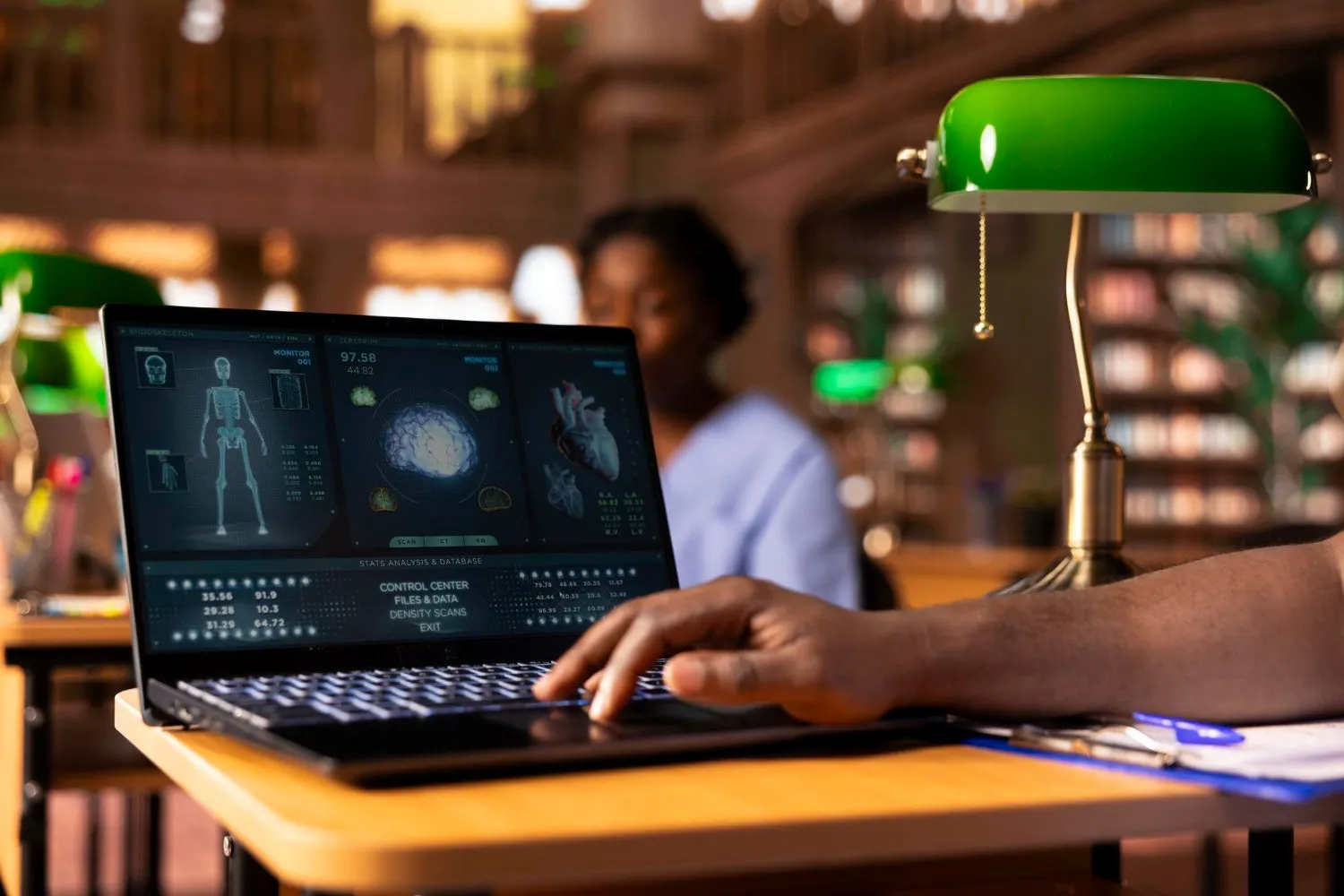
Digital technology has changed how we analyze visual data with powerful computer vision libraries. These tools make it easier to get insights from complex images. They work with great precision.
These libraries offer advanced tools for analyzing and improving digital images. They are used in many fields, like medicine and self-driving cars. They make it possible to analyze visual data in ways we couldn't before.
Experts in tech use these libraries to tackle tough visual problems. They use smart algorithms and machine learning to make images clearer and easier to understand.
Image processing technology is getting better fast. This means we can analyze visual data more accurately than ever. Researchers and engineers have tools that turn simple images into useful information.
Companies all over the world see the big impact of computer vision libraries. These tools are a game-changer for working with visual data in many fields.
Understanding Computer Vision Libraries and Their Core Functions
Computer vision libraries are at the heart of machine learning and artificial intelligence. They change how we handle and understand visual data. These tools can read complex images, letting computers see and understand what's in them.
These libraries use advanced algorithms to find important details in digital images. Machine learning helps them spot patterns, find objects, and sort visual stuff with high accuracy. They can even see small differences that are hard for people to notice.
Some main tasks of computer vision libraries include finding objects, recognizing faces, breaking down images, and tracking movement. Artificial intelligence helps these libraries get better over time. They can be tweaked to tackle different problems in fields like medicine and self-driving cars.
The real strength of computer vision libraries is turning visual data into useful information. They break down images into parts we can understand. This gives us new insights that help advance technology, healthcare, and security.
The Evolution of Image Processing Technologies
The history of computer vision started with simple image processing. These early steps laid the foundation for today's advanced technologies. Researchers back then used basic algorithms to understand visual data. But, they were limited by the technology and knowledge of the time.
In the 1960s, neural networks changed the game. They allowed machines to see and understand images in new ways. These networks were inspired by the human brain, making image recognition much better.
Deep learning came along and changed everything. It brought multilayered neural networks that could learn from huge amounts of images. This led to much better image classification, object detection, and analysis in many fields.
Important moments in computer vision include the 1990s' CNNs and the early 2000s' machine learning boom. These advancements let computers understand visual data with great detail and complexity.
Today, computer vision libraries use deep learning to analyze images in ways we couldn't dream of before. From medical scans to self-driving cars, these technologies are making big strides in visual data analysis.
Essential Features of Modern Computer Vision Library Systems
Modern computer vision library systems have changed digital image processing a lot. They have advanced features that make analyzing visual data easier. At the heart of these tools is feature extraction, which lets machines understand complex images well.
Pattern recognition in these systems has gotten much better. Now, they can spot small details in images. They can find objects, read facial expressions, and even guess how someone feels. This ability to break down images into parts has opened up new areas in tech and science.
Image segmentation is another key feature. It breaks images into parts or objects, showing details clearly. This is very useful in medical imaging, self-driving cars, and scientific studies where exact analysis is needed.
Today's libraries also use machine learning to get better at recognizing and analyzing images. They can spot tiny patterns in medical scans or understand big city scenes in self-driving cars. These libraries show how powerful advanced visual processing can be.
Thanks to these tools, researchers and developers can make new solutions in many fields. They are exploring new ways to analyze and understand visual data.
Image Quality Enhancement Techniques and Methods
Computer vision algorithms have changed how we work with images. They help turn poor-quality images into clear, detailed ones. These methods solve problems like noise, color issues, and low resolution.
Noise reduction is key in making images better. Advanced algorithms remove unwanted grain and artifacts. They look at pixel patterns to fix imperfections without losing important details.
Super-resolution techniques are another big step forward. They use complex math to make images clearer. This means we can see more details in images without losing quality.
Color correction is also important. Algorithms adjust colors, contrast, and saturation. This makes images look more real and vibrant, making data more accurate and pleasing to the eye.
New image enhancement tech keeps getting better. Machine learning and computer vision work together. They improve images in fields like medicine and space photography.
Advanced Analysis Tools for Visual Data Processing
Computer vision has changed how we handle visual data. Today, we have advanced tools that turn images into valuable insights. These tools can find detailed information in images with high accuracy.
Visual data processing lets us do amazing things like 3D modeling and depth analysis. It helps us create detailed models of spaces and objects. Motion tracking algorithms also track movements in real-time, across many fields.
OCR technology is another big leap in computer vision. It can quickly and accurately read text from images. This is a game-changer for healthcare, legal, and many other industries.
Video analysis tools have taken computer vision even further. They use machine learning to spot objects, faces, and understand scenes in videos. This tech is key for security, self-driving cars, and medical checks.
The future of visual data processing is bright. As machine learning gets better, these tools will too. This will open up new areas for innovation in many fields.
Implementation Strategies for Optimal Results
Getting computer vision right needs a solid plan and smart choices. Developers must pick libraries that fit their project needs. They should look at how well the library performs, if it works with their systems, and if it can grow with their project.
Optimizing image processing starts with knowing your visual data needs. Teams should check their resources, the complexity of algorithms, and where things might slow down. Making sure image analysis flows smoothly is key.
Important steps include testing different libraries and algorithms, and writing code that's easy to change. Using tools like OpenCV and TensorFlow can make things easier. Quick prototypes and tests help find problems early.
Improving performance means watching how fast things run, cutting down on extra work, and managing memory well. Using machine learning can make images easier to recognize without slowing down the system. It's important to build systems that can change as technology does.
Success comes from always learning and keeping up with new tech. A practical approach to computer vision challenges is crucial. By following these steps, teams can create strong and efficient visual data solutions.
Real-world Applications and Success Stories
Computer vision has changed many industries, bringing new tech to life. In healthcare, AI helps spot medical issues with great accuracy. Doctors use advanced computer vision to find tumors early, helping patients a lot.
Autonomous systems are another big leap. Cars from Tesla and Waymo use computer vision to drive safely. They look at thousands of things every second, making quick decisions to keep people safe.
Retail and online shopping have also seen big changes. Amazon Go stores use computer vision to track what you buy. You just pick up items, and AI figures out the cost for you.
Medical researchers use computer vision to study tiny images. This helps them understand cells and diseases better. AI in healthcare is making new tools that were once impossible.
Computer vision is also used in farming and security. It's changing how we use technology in many ways. These advancements show the huge potential of visual AI, promising even more in the future.
Future Trends in Computer Vision Development
The world of computer vision is changing fast. New technologies are making image processing better. This opens up new areas for artificial intelligence and analyzing visual data.
AI ethics are key in computer vision. Privacy is a big concern, leading to new ways to handle data responsibly. Machine learning is getting better at recognizing images while following strict rules.
Image processing is set to get even better with deep learning. AI systems are learning to understand complex visual data. This is changing how we use computer vision in fields like medicine and self-driving cars.
New research is looking into quantum computing and neuromorphic engineering. These could make computer vision faster and more like how humans see. This could be a big leap forward.
Experts and tech companies are working on AI that is open and fair. They want to make sure new tech helps people and keeps their privacy safe. This is all about responsible innovation.
Conclusion
Computer vision libraries are a big step forward in AI. They change how we see and use visual data. They help in many areas, like medicine and self-driving cars, by giving us new insights and abilities.
These libraries do more than just look at pictures. They let machines understand complex images very well. This opens up new areas in science, health, safety, and creativity. At places like MIT and Google, experts are making these systems smarter and more flexible.
The future of image analysis looks bright. We'll see even better computer vision in our daily lives. It will be as usual as using GPS or talking to our phones. Companies and inventors who use these tools will lead the way in new technology.
As AI gets better, computer vision will be key in making machines understand like humans. The way we process visual data is just starting. It will lead to many exciting changes in how we use technology and interact with the world.

