How Data Visibility Is Quietly Reshaping Modern IT Systems
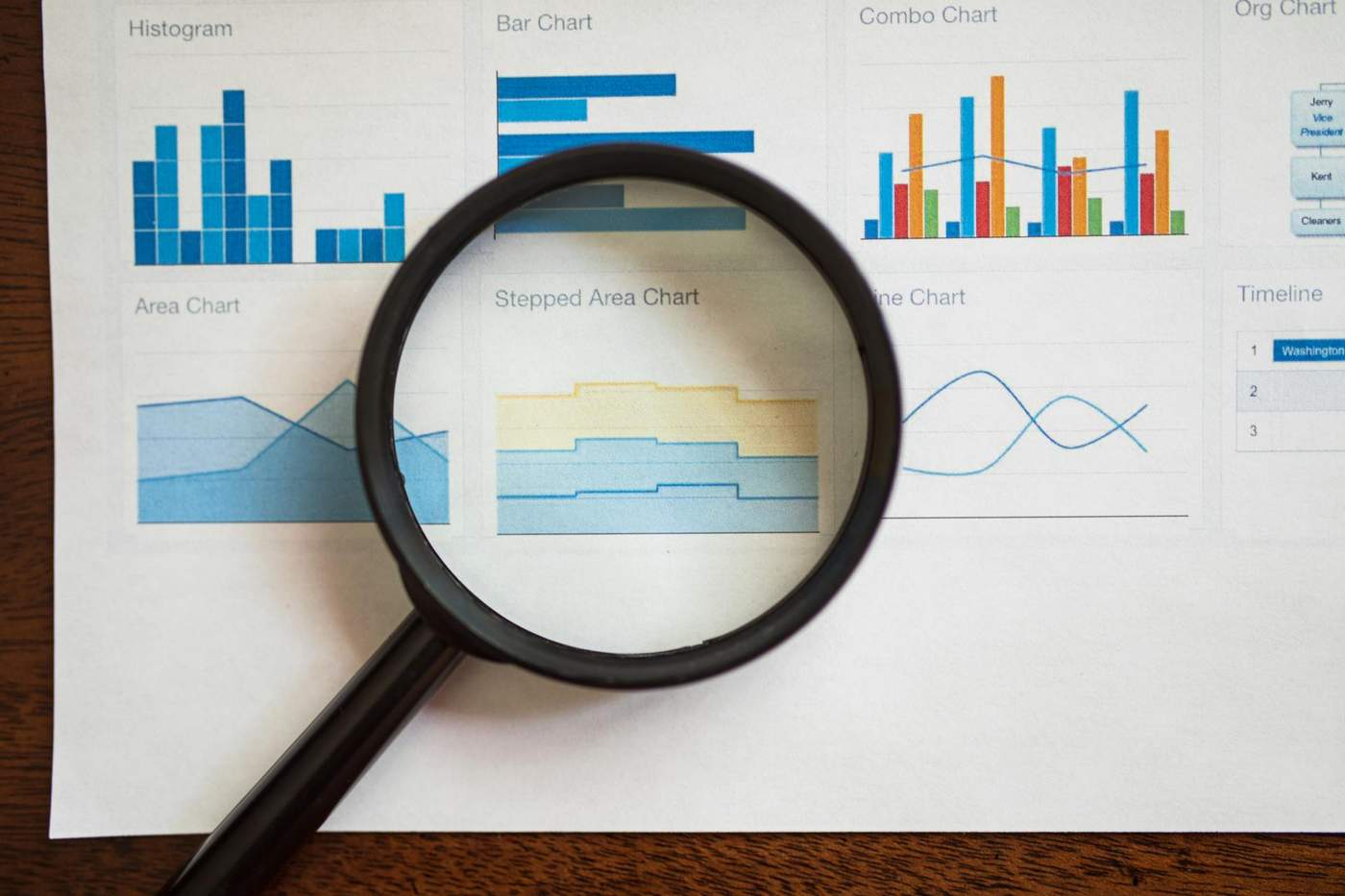
For years, IT systems were built to function reliably behind the scenes, quietly processing workloads, storing information, and supporting business operations with minimal visibility beyond specialized teams. Today, that model is rapidly changing. Data visibility—the ability to see, understand, and act on system data in real time and over the long term—is becoming one of the most transformative forces in modern IT. Not because it is flashy, but because it subtly changes how organizations design systems, make decisions, and respond to complexity at scale.
From Opaque Systems to Transparent Ecosystems
Traditional IT architectures often resembled black boxes. Data flowed in, workloads flowed out, and only a handful of experts truly understood what was happening inside. That opacity made systems fragile. Problems were discovered late, root causes were hard to trace, and decisions were often based on incomplete information. As organizations embraced data visibility, these black boxes began to open. Logs, metrics, traces, and operational telemetry exposed patterns that were previously invisible, turning IT environments into transparent ecosystems where behavior could be observed, measured, and improved.
Visibility Turns Data Into Context
Raw data alone does not create insight. What reshapes IT systems is the ability to connect data across layers—applications, infrastructure, networks, and devices—and view it in context. When teams can correlate performance metrics with user actions, configuration changes, or environmental conditions, they stop guessing and start understanding. Platforms built around IoT data historian software exemplify this shift by preserving long-term system behavior, allowing organizations to analyze trends instead of reacting to isolated incidents. Context transforms data from noise into a narrative that informs strategy.
Proactive IT Replaces Reactive Troubleshooting
One of the most immediate impacts of data visibility is the move from reactive firefighting to proactive management. In the past, teams learned about problems when systems failed or users complained. Today, visibility enables early detection of anomalies, performance drift, and capacity constraints. Subtle changes that would once have gone unnoticed are now visible weeks or months in advance. This predictive awareness allows teams to intervene early, stabilizing systems before disruptions occur and freeing IT from a perpetual cycle of urgent response.
Architectural Decisions Are Becoming Data-Driven
As visibility improves, it increasingly influences how IT systems are designed. Architects now rely on observed usage patterns, performance data, and dependency maps to guide decisions about scalability, redundancy, and modularity. Rather than overengineering based on assumptions, organizations build systems that respond to real behavior. This data-informed architecture supports resilience and cost efficiency, ensuring resources are allocated where they deliver the greatest value.
Visibility Breaks Down Organizational Silos
Historically, application teams, infrastructure teams, and operations teams often worked with separate tools and partial views of the system. Data visibility reshapes this dynamic by creating a shared operational picture. When everyone sees the same metrics and understands system behavior through a common lens, collaboration improves. Conversations shift from blame to problem-solving. Shared visibility aligns teams around outcomes rather than ownership boundaries, accelerating resolution and innovation.
User Experience Depends on Invisible Systems
Modern users expect seamless digital experiences, and those experiences are shaped by systems they never see. Data visibility allows IT teams to map user interactions to backend performance, revealing how infrastructure latency, configuration changes, or deployment decisions affect real outcomes. This connection between user experience and system behavior encourages a more holistic approach to IT design—one that prioritizes reliability and responsiveness as core business enablers rather than technical afterthoughts.
Platform Consolidation Is a Visibility Strategy
As systems grow more complex, organizations increasingly favor consolidated platforms that provide unified views across services. This trend has contributed to the rise of multi-service app solutions that combine monitoring, analytics, and operational tooling into cohesive environments. Consolidation reduces tool sprawl and cognitive load, making visibility more accessible to a wider range of stakeholders. When insights are easier to access and interpret, they drive more consistent and confident decision-making.
Long-Term Insight Enables Strategic Planning
Short-term metrics support daily operations, but long-term visibility reshapes strategy. Historical data reveals seasonal trends, growth trajectories, and systemic weaknesses that cannot be detected in real time alone. By analyzing extended periods of system behavior, organizations can plan capacity expansion, optimize infrastructure investments, and align IT roadmaps with business objectives. Data visibility thus becomes a strategic planning asset rather than just an operational convenience.
Security and Compliance Benefit From Transparency
Visibility also strengthens security and compliance. When systems generate comprehensive, searchable records of activity, anomalies and unauthorized behaviors stand out more clearly. Audits become easier, investigations faster, and risk exposure more manageable. Transparent systems reduce reliance on manual controls and institutional memory, replacing them with continuous, data-backed assurance.
Cultural Change Follows Visible Systems
As visibility reshapes systems, it also reshapes culture. Teams become more curious and analytical when data is readily available. Decisions are debated with evidence rather than intuition. Performance discussions focus on trends and root causes instead of isolated failures. This cultural shift toward learning and continuous improvement may be the most profound impact of data visibility, influencing how organizations evolve alongside their systems.
Visibility as a Foundation for Modern Technology
Ultimately, data visibility is not a feature—it is a foundation. It underpins reliability, scalability, security, and innovation across modern IT environments. As systems grow more interconnected and distributed, the ability to see clearly across them becomes essential. Organizations that embrace visibility early position their technology not as a constraint, but as an adaptive platform capable of supporting long-term growth and change.
Conclusion
Data visibility is quietly reshaping modern IT systems by turning complexity into clarity. Through contextual insight, proactive management, and shared understanding, visible systems empower organizations to move faster, plan smarter, and operate with confidence. While it may not draw headlines, this shift is redefining how IT supports business success—one insight at a time.

