How did you name your last side hustle?
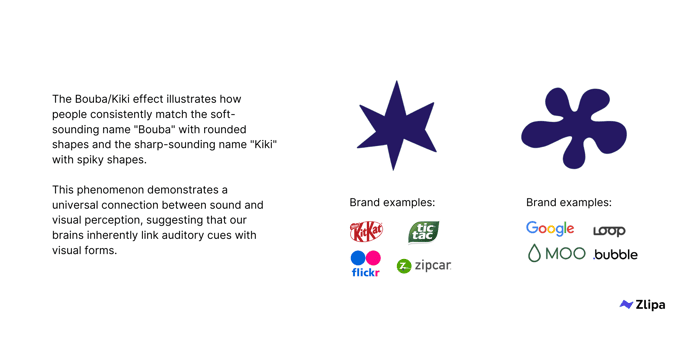
We usually consider the meaning of words to be a single, unified piece of information. For example, a brand name like GoPro, eBay, or upGrad—their meaning is conveyed through the words that make them up, right?
Not really.
Sounds have a life of their own, even outside words you can find in the dictionary. Think of a brand name that uses an invented word—like Google, Kodak, or Xerox. Can you notice that every single one of them has…a vibe to them?
Google is soft and wobbly, Kodak is sharp and rhythmic, Xerox is spiky and kind of speedy. While these descriptions might not fit your exact experience—one thing is for sure, we all have oddly specific associations with sounds and words that have no real meaning. This is what linguists call sound symbolism.
The way a brand name sounds is pivotal in shaping how consumers perceive it. Research by Klink (2003) revealed that the sounds of brand names directly impact how consumers view the product. For instance, front vowels like the "i" in "Nike" are often perceived as light and small, while back vowels such as the "o" in "Volvo" are heavy and large. From a phonetic point of view, it's not just about the rhythm of a brand's name, but also about the specific sounds within it that can evoke certain feelings and thoughts in consumers.

When starting a new side hustle, project, or even startup it’s absolutely essential to understand that the way your brand’s feel can make or break it.
Klink's research highlights how specific sounds in a brand's name can give it a rugged or sophisticated quality, depending on the phonetic choices made. For example, using hard consonants such as "k" and "t" can convey a feeling of strength or reliability in a brand.
The sound of a brand name can unconsciously impact how customers view the product or service, shaping their first impressions and emotional bond with the brand. By using sound symbolism and phonetic appeal, businesses can create brand names that connect with their target audience, evoke particular emotions, and communicate desired qualities.
We just published the whole article on our blog at Zlipa. Feel free to check it out!
Check it out at: https://zlipa.com/blog/sound-symbolism/
