How Digital Communities Are Helping Classic Games Reach New Audiences
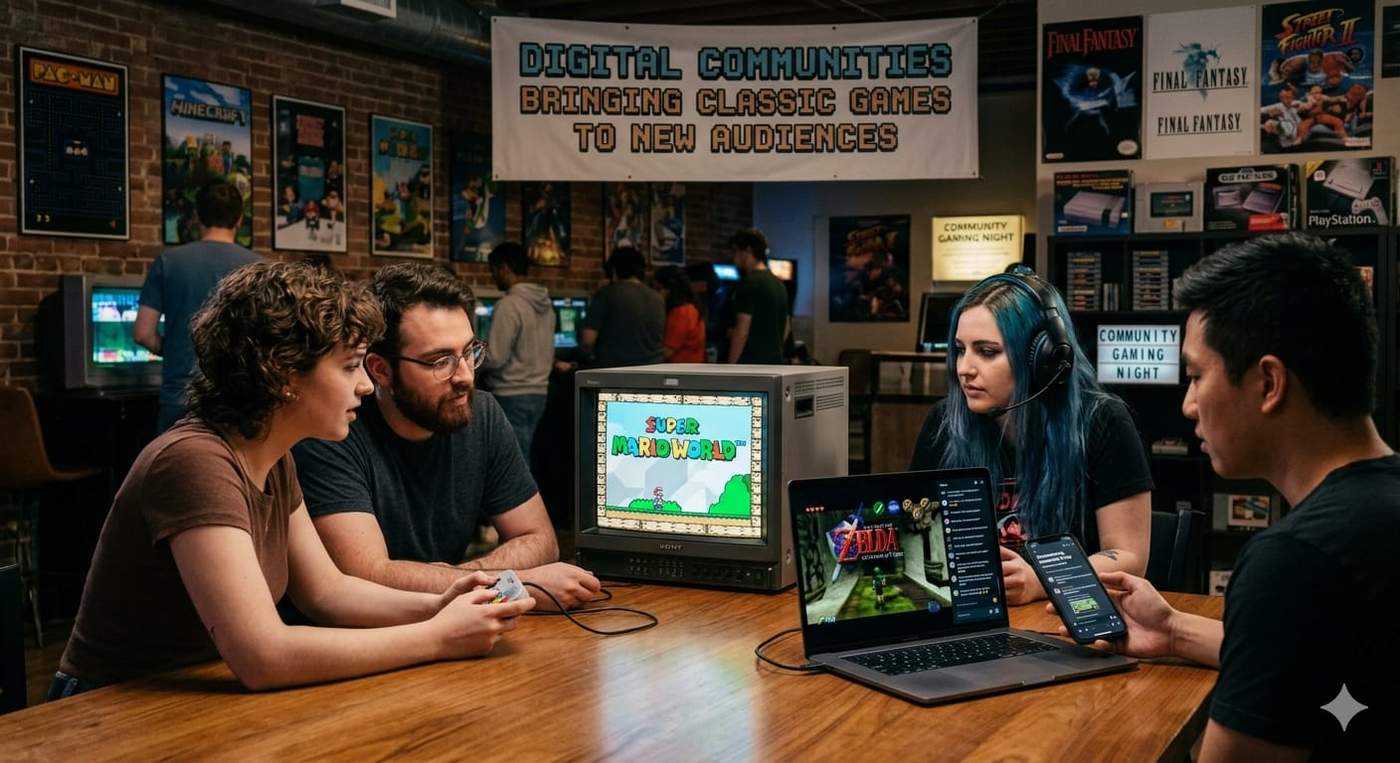
The story of how traditional games have survived and thrived in the digital age is, at its core, a story about community. Technology didn't save these games — not directly. Instead, it created new ways for communities to form, to share knowledge, and to welcome newcomers. Digital platforms have turned something that was once geographically limited — a game played by a small group of people in one place — into something that can connect millions of players across continents in real-time. This transformation has been one of the most underestimated forces shaping modern entertainment, and understanding how it works explains a lot about which games survive and which ones fade away.
Before the internet made global connection routine, traditional games relied on a slow, organic process of transmission. Someone learned the game from a parent or grandparent, or discovered it through friends. They might teach it to others, who might teach it to others. Growth happened through direct personal interaction. That process was slow, but it created deep roots. Today, that same transmission happens exponentially faster through digital platforms, and the results have been remarkable: games that might have seemed destined for obscurity have found entirely new audiences and thriving communities.
How Digital Platforms Changed the Discovery Problem
Before smartphones and online communities, there was a fundamental problem facing any traditional game: discoverability. If you weren't already connected to someone who played the game, you might never know it existed. Marketing a card game when you couldn't easily reach potential players was extremely difficult. The audience self-selected — people who actively sought out that type of entertainment might find it, but casual players would never encounter it.
Digital communities solved this problem in ways that would have seemed impossible just two decades ago. A social media post about a game can reach thousands of people instantly. A discussion forum dedicated to a particular game can connect enthusiasts from around the world. A video tutorial showing how to play can reach people who would never have thought to look for it. The barrier to discovery shifted from "you have to know someone who knows the game" to "you need to see one piece of content about it."
This shift has been particularly powerful for traditional games because it's genuinely organic. When someone discovers a game through a discussion with other enthusiasts, or through watching someone else enjoy it, there's a sense of authenticity that marketing rarely captures. The recommendation comes from someone like them who genuinely enjoys the experience, not from a paid advertisement. That authenticity is powerful.
Community-Driven Growth vs. Marketing-Driven Growth
Modern digital entertainment often relies on two very different growth mechanisms. Some games rely on massive marketing budgets, influencer partnerships, and expensive promotional campaigns. These can drive initial user acquisition quickly, but they often don't create lasting engagement. Players try the game because they saw an ad, decide it's not for them, and move on.
Community-driven growth works differently. A player discovers the game, tries it, and if they like it, they tell friends. Those friends tell other friends. And crucially, players ask questions, share strategies, discuss interesting moments, and help newcomers learn. This creates an environment where people feel welcomed and supported, which encourages them to stay longer and invest more deeply in the experience.
Traditional games have proven surprisingly effective at driving community-based growth. Games like dominoqq have built engaged communities not through expensive marketing campaigns, but through organic sharing. Players discuss strategies, share wins and losses, help newcomers understand the game, and introduce friends to experiences they enjoy. This natural word-of-mouth amplified through digital platforms has proven to be a far more durable growth engine than traditional advertising.
The Power of User-Generated Content and Knowledge Sharing
One of the most underestimated advantages of online communities is their ability to generate and share content. A thriving community naturally produces tutorials, strategy guides, reviews, clips of interesting moments, and discussions about technique. This content serves multiple purposes simultaneously.
First, it helps existing players improve. Someone struggling with a particular aspect of the game can find detailed explanations from experienced players. Second, it serves as discovery content — someone casually browsing video platforms or discussion forums might encounter educational content about a game and decide to try it. Third, it demonstrates why people enjoy the game. Watching a skilled player make a clever strategic move conveys something that a written description simply cannot.
This ecosystem of shared knowledge is particularly valuable for games with strategic depth. A game that rewards learning from others has naturally motivated players to create content explaining their techniques. The community becomes self-sustaining — experienced players are motivated to help others improve, not just because they enjoy teaching but because the better the broader community plays, the better the experience for everyone.
Bridging Generational Divides Through Shared Digital Space
One of the most interesting social outcomes of traditional games adapting to digital platforms is the way they've created intergenerational spaces. In the physical world, age often creates natural distance — a teenager and their grandparent might not naturally spend much time together. But in digital communities around shared games, age becomes largely irrelevant.
A player who learned the game thirty years ago can play alongside someone who just discovered it last week. They can compete on equal footing if they're both skilled. They can discuss strategy together. The older player can share historical knowledge about the game while the younger player can explain how mobile technology has changed the experience. This cross-generational interaction strengthens the community in multiple ways.
It also helps preserve the cultural knowledge around the game. Rather than that knowledge dying out as older players age out, it's being continuously transmitted to new players who care enough to learn. The tradition gets actively maintained, not just passively preserved.
Community Engagement as a Retention Mechanism
Games live or die not by their initial appeal but by their ability to retain players over time. A player might try a game because they're curious, but they stick around if they feel part of something larger. Community provides exactly that feeling.
When you're part of an active community, the game becomes more than just a game — it becomes a way to stay connected to people you've come to know and respect. You might return to a game partly because you enjoy playing it, but also because you've developed relationships in the community. You want to see how players you know are doing. You want to participate in discussions. You want to help newer players improve.
This is why games with weak or non-existent communities often fail to retain players, while games with strong communities retain them even through slow periods. A well-connected community provides reasons to return beyond just the game mechanics themselves.
Mobile Accessibility Multiplies Community Effects
The combination of digital communities and mobile accessibility has proven to be particularly powerful. Mobile lets people play from anywhere, which means they can maintain casual engagement even when their lives are busy. Digital communities let them stay connected to the player base even when they're not actively playing.
This combination has enabled domino qiu qiu and similar games to build engagement patterns that would have been impossible in the pre-digital era. A player can check community discussions while commuting, play a few hands during a lunch break, and then discuss an interesting hand with the community that evening — all from their phone, without any special equipment or setup.
The Future Role of Communities in Entertainment
As digital entertainment continues to evolve, the importance of community is likely to increase rather than decrease. Players are increasingly sophisticated about which games deserve their time and attention. They're more likely to try something their friends recommend than something they see advertised. They're more likely to stick with a game if they feel connected to the community around it.
Traditional games have proven they can build and maintain thriving communities through digital platforms. That success offers a blueprint for other games and forms of entertainment: focus on creating genuine engagement, build systems that encourage sharing and knowledge exchange, create space for communities to form naturally, and respect the culture that develops around your game.
For traditional games in particular, digital communities have been the key to relevance. They've transformed games that relied on small, localized groups of players into global phenomena. They've created opportunities for knowledge sharing that benefit both new and experienced players. And they've helped preserve cultural gaming traditions while simultaneously introducing them to new generations. That's a remarkable achievement, and it's one that's likely to only become more important as entertainment becomes increasingly digital and increasingly community-driven.

