How Do You Determine if Your UX Writing Aligns with a User’s Emotional State or Mindset at a Specific Point in Their Journey?
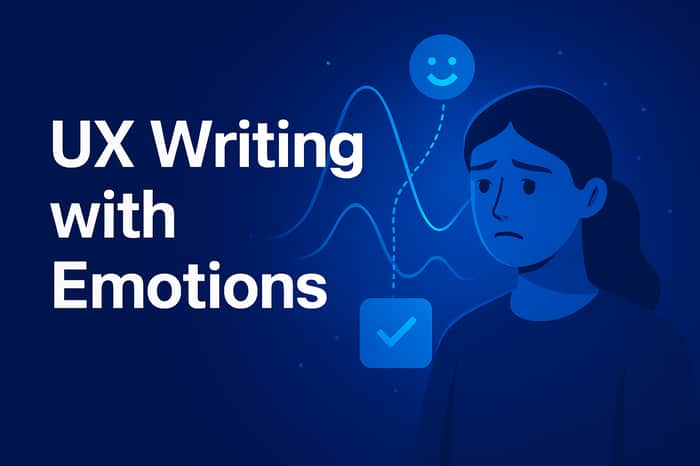
Great UX writing is not only about clarity and functionality. It is also about meeting users where they are emotionally. A user who has just discovered your product is in a very different mindset from one who is troubleshooting an error or making a payment. If your copy fails to align with their emotional state, you risk confusion, frustration, or even churn.
Understanding and writing for a user’s emotional state requires both research and empathy. Here is how I determine whether my UX writing aligns with what users are feeling or thinking at a specific point in their journey.
- Map the User Journey and Identify Emotional Peaks and Valleys
The first step is to create or analyze the user journey map. This shows all the key touchpoints where a user interacts with a product. At each stage, I consider what the user might be feeling. Are they curious, frustrated, excited, hesitant, or relieved?
For example, a first-time onboarding flow is often filled with curiosity but also uncertainty. A checkout process might involve excitement but also anxiety about making the right purchase. Mapping these emotions helps me understand which tone and message will resonate.
- Use Research and Real User Feedback
Assumptions about user emotions can be misleading. Instead, I rely on research methods like usability testing, surveys, interviews, and analytics. Watching a user struggle with a form field or abandon a page provides direct insight into where frustration happens. Hearing how they describe their feelings during a task reveals the language they respond to.
For example, if users express that they feel overwhelmed by too many steps, the copy should aim to reassure and simplify rather than add more instructions. Data from heatmaps or session recordings also helps pinpoint where friction exists and when positive emotions peak.
- Analyse Context, Not Just Content
The same words can have different emotional impacts depending on context. “Submit” might work fine on a simple form but feel cold and transactional when someone is about to donate money to a cause. At emotionally significant moments, words need to acknowledge what the user is going through.
I ask: What is at stake for the user at this moment? What questions or fears might they have? Do they need encouragement, clarity, or reassurance? Contextual awareness ensures the copy feels human and connected rather than robotic.
- Choose Tone and Voice Strategically
Tone is one of the strongest tools for emotional alignment. It is not enough to define a brand voice; the tone must adapt to where the user is in the journey. A light-hearted tone works during onboarding but feels out of place during error recovery.
For example:
During onboarding: “Welcome, we are excited to have you. Let us guide you through your first steps.”
During an error: “Something went wrong. We are on it and will help you get back on track.”
Both reflect the same brand voice, but the tone is adjusted to meet the user’s emotional state.
- Test and Validate Emotional Resonance
Just as you A/B test designs, you can A/B test microcopy for emotional impact. I often create variations of key messages and validate them with real users. This helps determine which version builds trust, reduces friction, or improves completion rates.
Qualitative testing is also powerful. Ask users how the copy makes them feel or if it matches what they were expecting. Emotional validation is not guesswork; it is measurable and observable.
-
Use Empathy, But Avoid Manipulation
Aligning with a user’s mindset is about understanding and supporting them, not exploiting their emotions. Good UX writing respects user autonomy. It reassures when needed, clarifies when there is confusion, and celebrates when milestones are reached. Over-promising or using emotionally manipulative tactics can harm trust. -
Iterate Continuously
User emotions change as products evolve. A phrase that works today may feel outdated or insensitive in a new context. Continuous improvement, backed by research and feedback, ensures your UX writing stays aligned with the user’s emotional journey.
Emotional Alignment Builds Trust and Loyalty
UX writing that aligns with a user’s emotional state does more than make interfaces easier to use. It makes users feel understood. When businesses invest in emotionally intelligent UX writing, they build trust and loyalty.
For companies building digital products, this is not just a nice-to-have; it is a competitive advantage. Words are the bridge between technology and human experience. When they match the user’s mindset at the right moment, they can turn a confusing process into a confident journey.
If you need UX writing that connects with your users on both a functional and emotional level, I would be glad to help. My approach combines research, empathy, and strategic testing to ensure your product communicates naturally and effectively at every touchpoint.
