How Food Delivery Apps Are Evolving: Key Trends To Know
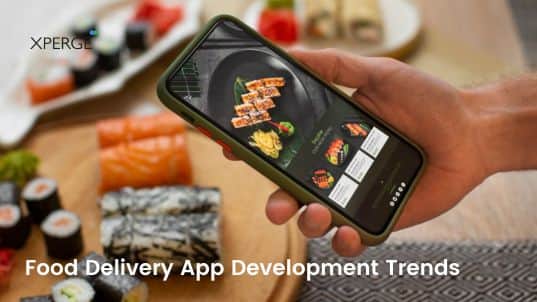
The food delivery industry has grown rapidly, thanks to evolving technology and changing consumer habits. Food Delivery App Trends are shaping how businesses operate, enhancing user experience, and creating new opportunities for restaurants and delivery services. Let’s explore the key trends driving food delivery app development trends and what’s next for the industry.
1. AI and Machine Learning Enhancing User Experience
Artificial Intelligence (AI) and Machine Learning (ML) are making food delivery apps smarter. These technologies help in:
Personalized recommendations based on user behavior and past orders.
Efficient route optimization for faster deliveries.
AI-driven chatbots providing instant customer support.
AI is transforming the way customers interact with food delivery platforms, making ordering seamless and efficient.
2. Rise of Cloud Kitchens and Virtual Restaurants
Cloud kitchens, also known as ghost kitchens, operate without dine-in facilities. They focus solely on preparing food for delivery, reducing overhead costs and increasing efficiency. This trend is popular among startups and big brands looking to expand their reach without investing in physical locations.
Benefits of cloud kitchens include:
Lower operational costs compared to traditional restaurants.
Faster delivery times due to strategic kitchen placements.
Increased menu flexibility to adapt to customer preferences.
3. Sustainable and Eco-Friendly Practices
Consumers are now more conscious about sustainability, pushing food delivery apps to adopt eco-friendly practices such as:
Eco-friendly packaging made from biodegradable materials.
Carbon-neutral deliveries using electric vehicles or bicycles.
Reducing food waste through AI-driven demand forecasting.
Sustainability is becoming a key factor influencing user choices, making it crucial for businesses to adapt.
4. Contactless and Cashless Payments
The rise of digital wallets and contactless payments has changed the way users pay for their orders. Many food delivery apps now support multiple payment methods, including:
Google Pay, Apple Pay, and PayPal for seamless transactions.
Cryptocurrency payments in select regions.
Subscription-based payment models for regular users.
These payment methods improve security and convenience, ensuring a smoother user experience.
5. Integration of Augmented Reality (AR) and Virtual Reality (VR)
AR and VR are enhancing customer engagement by offering:
Virtual restaurant tours to help users choose where to order from.
AR-based menu previews to give a realistic view of the dishes.
Interactive promotions and discounts using AR filters.
These technologies create immersive experiences, making food ordering more interactive and enjoyable.
6. Drone and Robot Deliveries
Companies are experimenting with autonomous delivery systems, such as drones and robots, to reduce delivery time and costs. Key advantages include:
Faster deliveries in high-traffic areas.
Reduced dependency on human drivers during peak hours.
Lower operational costs for businesses.
While still in the early stages, drone and robot deliveries are set to revolutionize the food delivery industry in the near future.
7. Subscription-Based and Loyalty Programs
To retain customers, many food delivery apps are offering subscription plans and loyalty programs. These include:
Monthly or yearly membership plans for unlimited free deliveries.
Reward points for frequent orders, which can be redeemed for discounts.
Exclusive deals and discounts for subscribers.
These strategies encourage customer retention and increase order frequency.
8. Advanced Food Delivery App Features
Modern food delivery apps are integrating advanced features to enhance user experience, such as:
AI-powered order tracking with real-time updates.
Voice-assisted ordering for hands-free convenience.
Group ordering options for shared meals.
Multi-restaurant ordering in a single transaction.
These features make ordering food easier, faster, and more engaging for users.
9. What is the Cost to Develop a Food Delivery App?
Developing a food delivery app depends on various factors such as features, technology stack, and geographic location of the development team. The estimated Cost to Develop a Food Delivery App ranges from $20,000 to $100,000, depending on:
Basic, mid-level, or advanced features
Number of integrations (payment gateways, tracking, etc.)
Design complexity and customization
Development team’s expertise and location
Investing in a high-quality app ensures long-term success and user satisfaction.
Conclusion
The food delivery industry continues to evolve, driven by food delivery app trends and technological advancements. From AI-powered personalization to sustainable food delivery app development trends, businesses must adapt to stay competitive. Understanding these trends helps restaurants, startups, and entrepreneurs develop a food delivery app that meets modern consumer demands. By focusing on innovation, user experience, and sustainability, the future of food delivery apps looks more promising than ever.
Are you planning to Develop a Food Delivery App? Stay ahead by incorporating these trends into your strategy!

