How Games Improve Strategic and Critical Thinking

Games have long been part of human culture, but their role in shaping thinking skills has become more visible in modern contexts. Strategic and critical thinking develop when players face challenges that require planning, evaluation, and adaptation. Through repeated engagement, Games create environments where decisions carry consequences that must be understood and managed. From my own experience observing players across age groups, I have seen how structured play sharpens reasoning more effectively than passive learning. This article explores how Games contribute to mental skills by engaging strategy, analysis, and reflective judgment in practical ways.
Understanding Strategic Thinking Through Games
Strategic thinking involves setting goals, anticipating outcomes, and selecting actions that align with long term objectives. Games naturally encourage this process because success often depends on planning several steps ahead. Players must weigh immediate gains against future risks, which mirrors real world decision making. Over time, this repeated exposure builds a habit of thinking beyond the present moment. Such habits become transferable skills that influence how individuals approach problems outside play.
Decision Making Under Pressure
Many Games place players in situations where choices must be made quickly with limited information. This environment trains the mind to prioritise relevant details while filtering out distractions. Players learn to accept uncertainty and still act decisively, which strengthens confidence in judgment. The pressure element also highlights the importance of preparation before action. These experiences reinforce the idea that good decisions result from structured thinking rather than impulse.
Analytical Skills and Pattern Recognition
Games often rely on systems that reward recognising patterns and understanding underlying mechanics. Players who succeed learn to analyse how different elements interact within a game environment. This analytical process requires breaking complex situations into manageable components. Over time, the ability to detect patterns improves efficiency in problem solving. Such skills are directly applicable to academic and professional contexts where analysis is essential.
Cause and Effect Awareness
A core component of critical thinking is understanding cause and effect relationships. Games provide immediate feedback, showing players how their actions influence outcomes. This feedback loop reinforces learning through direct experience rather than abstract explanation. Players become more attentive to the consequences of their decisions. As a result, they develop a deeper awareness of how choices shape results over time.
Resource Management and Planning
Strategic Games frequently require managing limited resources such as time, information, or in game assets. Players must decide how to allocate these resources to achieve objectives efficiently. This process encourages careful planning and evaluation of trade offs. Poor management often leads to failure, reinforcing the value of foresight. Through repetition, players internalise principles of balance and prioritisation.
Adaptability and Flexible Thinking
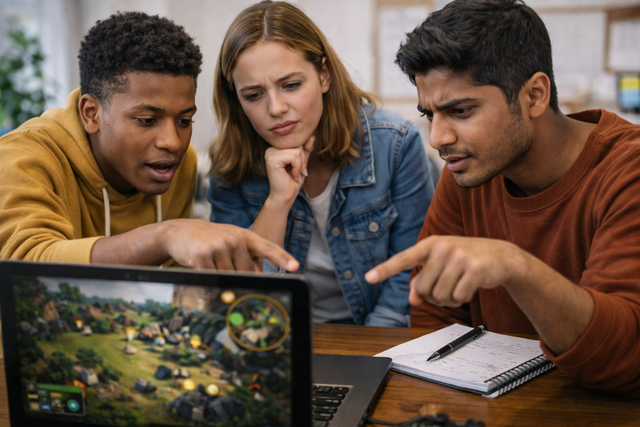
No strategy remains effective forever, especially in dynamic game environments. Players must adapt when conditions change or opponents behave unpredictably. This requirement fosters flexible thinking and openness to revising plans. Instead of rigid adherence to a single approach, Games reward adaptability. Such flexibility is a key component of advanced critical thinking.
Learning Through Failure
Failure in Games is usually safe and reversible, making it a powerful learning tool. Players can experiment, fail, and adjust without lasting consequences. This cycle encourages reflection on what went wrong and why. Over time, players become more comfortable analysing mistakes objectively. This mindset supports growth oriented thinking that extends beyond gameplay.
Strategic Communication and Collaboration
Many Games involve cooperation where strategy depends on effective communication. Players must articulate plans, interpret feedback, and align actions with others. This interaction enhances critical listening and reasoning skills. Strategic discussions within teams often involve evaluating multiple viewpoints. These experiences strengthen both individual and collective problem solving abilities.
Cognitive Load and Focus Development
Complex Games require sustained attention to multiple variables simultaneously. Players must track objectives, opponents, and resources without losing focus. This mental exercise strengthens concentration and working memory. Over time, players become better at handling cognitive load efficiently. Such improvements support performance in tasks that demand sustained focus.
Skill Transfer to Real World Contexts
The mental skills developed through Games often transfer to everyday decision making. Strategic planning learned in play can influence how individuals approach work or study. Critical evaluation skills help in assessing information more accurately. From personal observation, players frequently apply gaming strategies to organise tasks and manage goals. This transfer demonstrates the broader cognitive value of structured play.
Role of Structured Game Design
Not all Games contribute equally to thinking skill development. Well designed Games present balanced challenges that encourage analysis rather than repetition. They reward thoughtful play over random action. Resources like Pelipedia help highlight Games that emphasise skill based engagement. Access to such platforms supports informed choices about meaningful play experiences.
Ethical Reasoning and Judgment
Some Games introduce moral dilemmas that require evaluating ethical consequences. Players must consider values, fairness, and long term impact when making choices. This process encourages deeper reflection beyond simple win conditions. Ethical reasoning strengthens critical thinking by adding a moral dimension to decision making. Such experiences promote thoughtful engagement with complex issues.
Long Term Strategic Vision
Certain Games unfold over extended periods, requiring patience and long term vision. Players must commit to strategies that may not show immediate results. This encourages delayed gratification and persistence. Over time, players learn to trust structured planning processes. These lessons are relevant to real world projects that require sustained effort.
Feedback Loops and Self Assessment
Games provide continuous feedback through scores, progress indicators, or outcomes. Players use this information to assess performance objectively. This habit of self evaluation supports critical reflection. By analysing feedback, players refine strategies more effectively. Such self assessment skills are essential for personal and professional development.
Problem Solving in Complex Systems
Many Games simulate complex systems with interdependent elements. Players must understand how changes in one area affect the whole. This systems thinking enhances strategic awareness. It trains players to consider broader implications rather than isolated actions. Such perspectives are valuable in navigating complex real world environments.
Encouraging Curiosity and Exploration
Games often reward exploration and experimentation. Players are encouraged to test hypotheses and observe outcomes. This curiosity driven approach aligns with critical inquiry principles. Over time, players become more willing to question assumptions. This mindset supports lifelong learning and adaptability.
Balancing Intuition and Logic
Effective gameplay often requires balancing instinct with analysis. Players learn when to trust intuition and when to slow down and evaluate. This balance enhances decision quality. Games provide repeated opportunities to calibrate judgment. Such calibration improves overall reasoning ability.
Cognitive Resilience and Stress Management
Challenging Games expose players to repeated setbacks. Learning to persist under pressure builds cognitive resilience. Players develop strategies to manage frustration and maintain focus. This resilience supports clearer thinking in stressful situations. Over time, players become more composed problem solvers.
Educational Perspectives on Games
Educators increasingly recognise the value of Games in developing thinking skills. When integrated thoughtfully, Games complement traditional learning methods. They provide experiential contexts that reinforce abstract concepts. Platforms like pelipedia offer insights into how Games align with educational goals. Such resources help bridge play and learning effectively.
Observation and Anticipation Skills
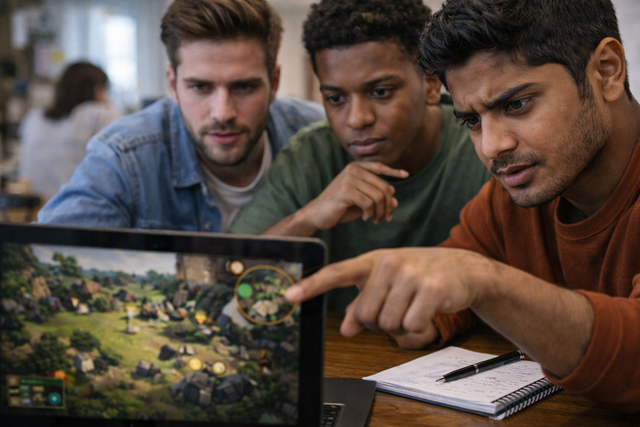
Strategic play requires observing opponents and anticipating their actions. Players learn to infer intentions from behaviour patterns. This skill strengthens predictive reasoning. Anticipation enhances strategic advantage by enabling proactive responses. Such observational skills are useful in negotiation and analysis tasks.
Time Management Within Gameplay
Many Games operate under time constraints that force efficient decision making. Players must allocate time wisely between planning and action. This experience reinforces the value of pacing and prioritisation. Over time, players become more aware of how time influences outcomes. These lessons support better time management habits outside play.
Reflection and Metacognition
After gameplay sessions, players often reflect on strategies used. This reflection supports metacognitive awareness of thinking processes. Players identify strengths and weaknesses in their approach. Such awareness enhances learning efficiency. Metacognition is a cornerstone of advanced critical thinking.
Cultural and Social Contexts of Strategy
Games are shaped by cultural and social influences that affect strategic norms. Players learn to adapt strategies based on context. This awareness promotes sensitivity to different perspectives. Strategic thinking becomes more nuanced when informed by social understanding. Such contextual reasoning is valuable in diverse environments.
Sustained Engagement and Motivation
Games maintain engagement through clear goals and feedback. This sustained motivation encourages continued practice of thinking skills. Repetition under engaging conditions reinforces learning. Over time, players invest deeply in improving strategies. Such engagement supports long term cognitive development.
Balancing Competition and Cooperation
Some Games blend competitive and cooperative elements. Players must decide when to compete and when to collaborate. This balance requires strategic judgment. Understanding shared and individual goals enhances critical evaluation. These experiences mirror complex social dynamics in real life.
Incremental Skill Development
Games often introduce challenges gradually, allowing skills to build over time. Players progress from simple strategies to complex planning. This incremental approach supports confidence and competence. It mirrors effective learning frameworks. Such structured progression reinforces sustainable skill growth.
Observation of System Feedback
Game systems respond consistently to player actions. Observing these responses trains analytical reasoning. Players learn to predict outcomes based on system rules. This understanding strengthens logical thinking. Consistent feedback supports accurate mental models.
Strategic Creativity and Innovation
Beyond following established strategies, Games encourage creative problem solving. Players experiment with unconventional approaches. Innovation often leads to unique solutions. This creativity enhances strategic depth. It supports flexible thinking and originality.
Evaluating Risk and Reward
Strategic Games require constant evaluation of risk versus reward. Players assess potential losses against possible gains. This evaluation sharpens judgment under uncertainty. Over time, players develop a balanced approach to risk. Such reasoning is essential in many decision making contexts.
Sustaining Attention Over Time
Extended gameplay sessions require maintaining attention over long periods. Players learn to manage fatigue and stay focused. This sustained attention supports deeper analysis. Over time, players build mental endurance. Such endurance benefits complex cognitive tasks.
Strategic Thinking as a Lifelong Skill
The strategic and critical thinking fostered by Games extends beyond entertainment. These skills support learning, work, and personal decision making. Through structured challenges and feedback, Games provide practical cognitive training. From observation and experience, their impact is both measurable and meaningful. Games remain a valuable medium for developing thoughtful, adaptable minds.
