How I Ranked My AI Poem Generator on Google's First Page With 0 Backlinks
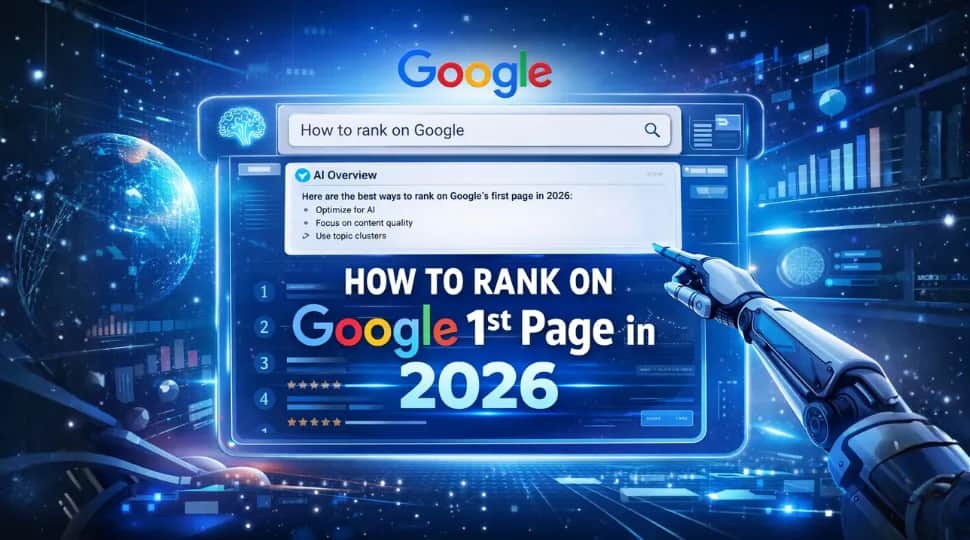
A while back I built a small AI poem generator as a side project. Nothing fancy. You type in a feeling or an occasion, and it spits out a poem you can actually use, for a card, a caption, a toast, whatever.
Like most indie hackers, I had zero marketing budget and zero patience for outreach emails that get ignored. So I never built a single backlink. No guest posts, no directory submissions, no link swaps. And yet the site ended up ranking on page one for several decent keywords in its niche.
Here's exactly what I did, in case it helps anyone else sitting on a small tool with no audience and no links.
The starting point was rough
When I launched, the site had nothing going for it. No domain history, no social following, no email list. Just a working product and a domain I'd registered a few months earlier.
I want to be upfront about something. Ranking with zero backlinks does not mean SEO doesn't matter. It means I put all my effort into the parts of SEO that don't require begging other websites for a link. That turned out to be enough, at least for this niche.
Step 1: I picked keywords a big site wouldn't bother with
Everyone wants to rank for "AI poem generator." That term is dominated by tools with years of authority behind them. I never had a shot there, and going after it would have wasted months.
Instead I looked for longer, more specific searches. Things like poems for a specific occasion, poems in a specific style, poems for a specific relationship. These searches get less volume individually, but there are hundreds of variations, and almost nobody was writing dedicated content for them.
Low competition plus real search intent is the whole game when you have no authority to lean on.
Step 2: I made the tool answer the query directly
This part matters more than people think. When someone searches for "poem for my mom's birthday," they don't want a blog post about poetry history. They want a poem for their mom's birthday, right now.
So instead of writing generic articles, I built landing pages where the tool was pre-configured for that exact search. Someone lands on the page, the context is already set, and they can generate a poem in one click. Google noticed that these pages matched search intent better than most of the competition, which was just blog content with no actual tool attached.
If you're building something similar, my honest suggestion is to try a poem generator style setup yourself before assuming you need a huge content library. The tool being useful on its own did more for rankings than any article I wrote.
Step 3: I wrote content that was actually useful, not padded
I'm not going to pretend content didn't matter, because it did. But I kept every page short and specific. No 3,000 word essays stuffed with fluff just to hit a word count. If a topic needed 500 words to be useful, I wrote 500 words.
I also answered the exact follow up questions people search for right after the main one. Things like how long a poem should be for a certain occasion, or what tone works best. These small additions picked up featured snippets a few times, which brought in extra clicks without needing to rank number one.
Step 4: I fixed the boring technical stuff early
This is the least exciting part of the story but probably the most important. Before I wrote a single page of content, I made sure:
Pages loaded fast, since a slow tool kills conversions and rankings both
Every page had a clear, unique title and description
The site worked properly on mobile, because most of my traffic ended up being mobile anyway
Internal links connected related pages so Google could actually crawl and understand the site structure
None of this is glamorous. But a fast, clean, well structured site with mediocre content will often beat a slow, messy site with great content. I learned that the hard way on an earlier project.
Step 5: I let user behavior do some of the work
Once a few pages started getting a trickle of traffic from long tail searches, something interesting happened. People stuck around. They generated a poem, copied it, sometimes generated a few more. Time on page was decent and bounce rate wasn't terrible.
I can't prove this directly influenced rankings, since Google doesn't confirm exactly how much weight it gives to engagement signals. But it's a pretty consistent pattern across my projects that pages people actually use tend to climb faster than pages people bounce off of immediately.
What I'd tell someone starting from zero
If you're building a small tool or site and have no links and no audience, here's what actually moved the needle for me:
Go after specific, low competition searches instead of the obvious head term
Make sure whatever you're offering solves the exact query, not a related topic
Keep content tight and useful instead of padded for length
Fix speed, mobile, and basic structure before worrying about anything else
Give people a reason to stick around once they land
Backlinks help, no doubt about it. I'm not saying skip them forever. But if you're stuck at zero and waiting for links before you start optimizing everything else, you're leaving a lot of easy progress on the table. I got a small tool onto page one without a single one, just by making sure it actually deserved to be there for the searches it was targeting.
Try my Poem Generator here: https://poem-generator.net/


Thanks for sharing your journey. It's always interesting to see what's actually working instead of just reading generic SEO advice.
The internal linking point is small but clearly did a lot of heavy lifting here
Great case study. I especially liked the point about targeting the language customers actually use instead of chasing high-volume keywords. That's something many founders overlook.
One thing I'd add is that internal linking and topical clusters become even more powerful as you publish more content. We've seen low-competition, problem-focused articles start ranking much faster when they're connected to relevant feature pages and supporting blog posts.
Curious: after those first Page 1 rankings, did you continue doubling down on the same content cluster, or did you expand into adjacent topics? I'd love to hear how you scaled the strategy after the initial success.
This is gold. Bookmarking it. The point about making the tool answer the query directly instead of writing around it is such an underrated idea.
Step 2 is underrated advice honestly. So many tools just have a landing page explaining what they do instead of just... doing the thing the user searched for. Bookmarking this.
Keeping content tight instead of padded for word count is refreshing to see
Solid write up, though I'd push back a bit on the engagement signals part — Google's pretty tight lipped about how much that actually matters and it's easy to read patterns into normal traffic growth. Still, the long tail keyword strategy alone is worth the read.
This is exactly the kind of post I needed right now. I've been sitting on a small tool for like 6 months waiting to "build backlinks first" before doing anything else. Turns out that was the wrong order the whole time. Going to fix my page speed and mobile stuff this weekend before anything else.
Really appreciate the breakdown, especially step 4. I feel like everyone skips the boring technical stuff because it's not as fun to write about. Quick question though, how long did it take before you started seeing any movement in rankings? Trying to set realistic expectations for my own project.
Great case study, straight to the point with zero unnecessary fluff
Honestly didn't expect a poem generator side project to teach me this much about SEO lol. The "keywords a big site wouldn't bother with" point hit different, been making that mistake for months.
Thanks for sharing your journey. Wishing you continued success!