How I Turned Rare Betta Fish Into a Global E-Commerce Business From Thailand
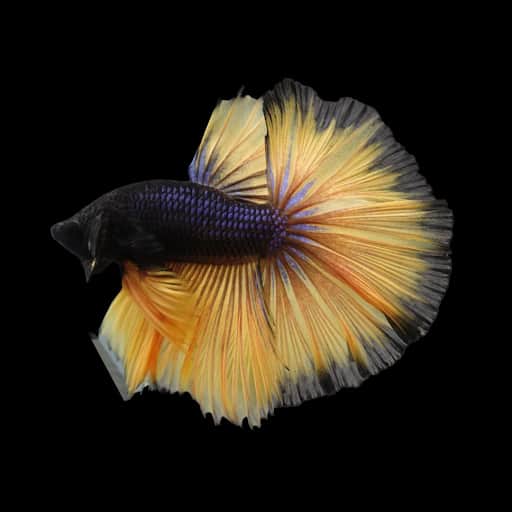
When I was a child growing up in the rural outskirts of Nakhon Pathom, Thailand, betta fish fascinated me more than any other creature. Their colors, their energy, and their personalities turned a simple village hobby into a lifelong passion. What I never imagined was that one day I would turn that passion into a global e-commerce business—shipping rare, show-quality bettas to collectors, breeders, and enthusiasts all around the world.
Today, I run a thriving online operation offering some of the most sought-after betta fish for sale, with customers from over 40 countries. But the journey from hobbyist to international entrepreneur wasn’t glamorous or straightforward. It took years of trial and error, late-night breeding sessions, website redesigns, unexpected shipping challenges, and learning to master not just fish care—but digital marketing too.
This is the story of how it happened.
From Backyard Tanks to World-Class Bloodlines
My first betta breeding attempts were done the traditional Thai way: small clay jars lined up behind my parents’ house. The first spawns were unpredictable, and at the time I knew nothing about genetics. But with every generation, I became more intrigued by how particular pairings produced unusual colors or tail shapes.
When I was 18, I entered my first local betta competition. My fish didn’t win—but I saw plakats, halfmoons, and crowntails that were unlike anything I had bred before. That experience lit a fire in me. I wanted to understand how these extraordinary fish were produced, so I spent years studying genetics, visiting master breeders, and experimenting with my own lines.
By my mid-twenties, I had established several consistent bloodlines known for rich coloration, long finnage, and stable form. Friends and local hobbyists began asking to buy my fish, and word spread fast. That was the moment I realized I had something unique. But I also realized that selling locally could only take me so far.
The world of betta lovers was global—and I wanted to reach it.
Building My First Online Store
In 2016, I took the leap and created my first website. It was simple, slow, and sometimes didn’t even load properly. But it allowed me to list my betta fish for sale with photos, descriptions, and a contact form. At first, orders trickled in—mostly from Singapore, Malaysia, and the U.S. I packaged fish by hand, made my own insulated boxes, and spent nights at the shipping office to ensure safe departures.
Then something unexpected happened: betta communities on social media began sharing my fish. A single photo of a metallic blue dragon plakat went viral, and suddenly I had more inquiries than I could handle. That moment proved that visibility—not just good breeding—was the key to scaling.
Mastering the Art of Selling Fish Online
As demand grew, I had to learn real e-commerce skills: SEO, photography, branding, customer support, and digital marketing. I upgraded the website to make it easier for customers to buy betta fish online, adding high-resolution galleries, a secure checkout, and automated notifications.
But the biggest breakthroughs came from mastering content creation:
1. Photography Became My Secret Weapon
A betta’s colors are its identity, so I invested in proper lighting, lenses, and macro equipment. Clear, honest images built customer trust and dramatically increased conversions.
2. Transparent Shipping Policies Built Credibility
Shipping live animals is risky. I introduced health guarantees, arrival-alive policies, and acclimation guides. Customers felt safer buying from me than from inconsistent online sellers.
3. Storytelling Set My Brand Apart
Instead of just listing fish, I told their stories—bloodline history, personality traits, breeding goals. Buyers connected emotionally, which made the brand unforgettable.
Turning a Farm Into a Global Supply Hub
As orders grew, my backyard setup couldn’t keep up. I built a small indoor facility with temperature-controlled tanks, quarantine systems, and professional breeding racks. I also partnered with other trusted Thai breeders, giving me access to rare giants, black samurais, hellboy plakats, and even copper galaxy lines.
Soon, I wasn’t just selling the fish I bred—I was curating a premium collection from the best bloodlines across Thailand. This transformed my website from a personal shop into a full e-commerce marketplace for enthusiasts looking to buy betta fish online safely and reliably.
Overcoming the Challenges of International Shipping
Becoming a global seller meant confronting major challenges:
Customs Delays
Some countries had unpredictable inspection times. I learned each country’s rules and adjusted packaging methods accordingly.
Weather Extremes
Heat packs, cool packs, oxygen saturation techniques, and insulated double-walls became standard practice.
Fish Health Regulations
Export permits, health certificates, and pre-shipment quarantine became routine. Though time-consuming, they increased customer trust and reduced losses.
These improvements helped me maintain a survival rate of over 98% for international shipments—something customers valued deeply.
The Turning Point: Live Auctions and Social Commerce
In 2020, the business took another leap forward. Live betta auctions on social media began exploding in popularity, and I joined early. The ability to show fish swimming live, answer questions instantly, and build community engagement was priceless. Many customers told me they had never purchased a fish online before—but seeing the fish live gave them confidence.
This strategy helped my brand reach thousands of new hobbyists and collectors worldwide.
Where the Business Stands Today
From a humble backyard hobby, I now run a recognized global betta shop. The website offers hundreds of unique betta fish for sale, with weekly updates and auctions. We ship to North America, Europe, the Middle East, and Asia. Many of my customers return again and again—not just because the fish are beautiful, but because they trust the care and transparency behind every order.
Thailand has always been the heart of the betta world, and I’m proud to contribute a small part to that legacy.
Final Thoughts
Turning rare betta breeding into an international e-commerce business was never easy. It required patience, resilience, and a willingness to learn everything—from genetics to global logistics. But the journey has been incredibly rewarding. Every time a customer messages me about how much joy their new fish brings them, I’m reminded why I started this in the first place.
For anyone dreaming of turning their passion into a business, my advice is simple: start small, stay consistent, and never stop improving your craft. Passion opens the door—but dedication keeps it open.

