How I'm Using My (Imperfect) Data to Actually Build My Brand
Stop Guessing: How I'm Using My (Imperfect) Data to Actually Build My Brand (My SEOSIRI Journey) 🚀
Hey fellow Indie Hackers!
Momenul here, founder of SEOSIRI.com. Like many of you, I wear a lot of hats. One of the biggest challenges I (and I bet many of you) face is moving from just having data to actually using it to build a stronger, more recognizable brand – especially when you don't have a massive marketing team or budget.
For a long time, my data from Google Analytics, Search Console, social media, and even direct client interactions felt a bit... scattered. I knew there were insights there, but connecting them to tangible brand-building actions wasn't always straightforward.
I've been on a journey to change that, and I wanted to share some practical approaches that are starting to make a difference for SEOSIRI. It's not about having perfect data or complex enterprise tools; it's about being smart with what you've got.
What "Amplifying Brand with Data" Looks Like for a Bootstrapper
For me, it boils down to using data to:
- Understand My Audience DEEPLY: Who really reads my content? What problems are they trying to solve? What language do they use?
- Refine My Message: Am I communicating the value of SEOSIRI clearly and in a way that resonates?
- Create Content That Actually Helps (and Ranks!): No more shooting in the dark with blog topics.
- Improve User Experience on SEOSIRI: Make it easier for people to find what they need and see us as a credible resource.
- Build Trust & Authority: Show, don't just tell, that we know our stuff.
My Evolving "Data to Brand" Playbook:
Here are a few things I'm actively doing (and you can too, even as a solo founder or small team):
1. Consolidating My Key Signals (The "Good Enough" Source of Truth):
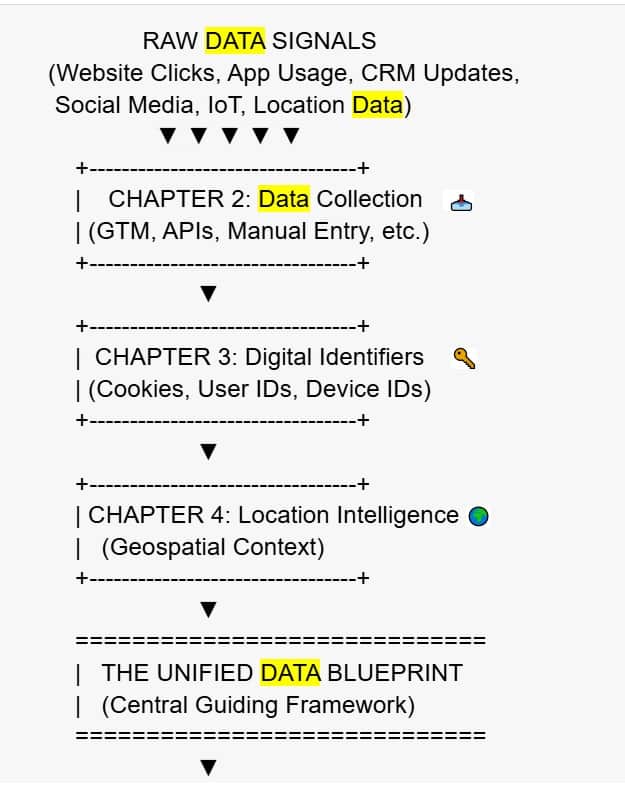
I don't have a fancy data warehouse (yet! We cover them in my [Unified Data Blueprint series]([Link to Ch5 on SEOSIRI]) for those scaling up). But I do make a conscious effort to look at:
- Google Analytics (GA4): What content is most popular? Where are users coming from? What's the user flow on key pages?
- Google Search Console: What queries are people using to find SEOSIRI? Which pages are getting impressions but low clicks (opportunity for title/meta tweaks!)? Any crawl errors impacting brand perception (broken site = bad brand)?
- Social Media Insights: Which posts get engagement? What kind of questions are people asking?
- Direct Feedback: Emails, comments, consultation inquiries – these are pure gold for understanding pain points and how my brand is perceived.
My "Tool": Often, it's as simple as a spreadsheet where I manually note down key observations across these platforms monthly. The act of writing it down forces me to see patterns.
2. Listening to What the Data "Says" About My Audience:
For example, I noticed a lot of organic traffic landing on older posts about [mention a specific, real topic if possible, e.g., "technical SEO for bloggers"].
- Data Signal: High traffic, good time on page for Topic X.
- Brand Implication: People see SEOSIRI as a go-to for this. This is a brand strength.
- Action:
- Update and expand that content (brand = current and thorough).
- Create related content to build a topic cluster (brand = expert in this niche).
- Subtly weave in how SEOSIRI's services address this topic.
3. Using Keywords to Shape My Brand's Voice:
SEO isn't just for rankings; it's market research!
- The keywords people use tell me their pain points and the language they use.
- I try to incorporate this language into my website copy, blog posts, and even social media to make SEOSIRI's brand more relatable and "speak their language."
- Tools like SEMrush (even the free version or a trial) or just Google's "People Also Ask" can be super insightful.
4. Iterating on My Website's "Brand Experience":
- Microsoft Clarity (Free!): Watching session recordings has been eye-opening. Seeing where people get stuck or confused on SEOSIRI directly informs UX changes. A smooth UX is part of your brand.
- PageSpeed Insights: A slow site is a frustrating brand experience. I regularly check and make small tweaks.
5. Turning Insights into Content that Builds Authority:
My ["Unified Data Blueprint" series]([Link to main series page/first chapter on SEOSIRI]) was born from seeing recurring questions and a need for a structured approach to data.
- Creating comprehensive, helpful content around complex topics positions SEOSIRI as a knowledgeable authority.
- This doesn't have to be massive. Even a well-researched answer to a common industry question can build a brand.
It's a Marathon, Not a Sprint (Especially for Indies!)
I'm still learning and refining. The key for me has been to:
- Start Simple: Don't get overwhelmed by complex tools or "perfect" data.
- Be Consistent: Regularly look at your data, even if it's just for an hour a week.
- Focus on Action: What's one thing the data suggests you can do this week to improve your brand messaging or user experience?
- Be Patient: Brand building, especially data-driven, takes time.
This journey of using data to amplify the SEOSIRI brand is ongoing, but these small, consistent steps are definitely more effective than just guessing what my audience wants or how my brand is perceived.
What data sources do you find most valuable for understanding your audience and building your brand as an indie hacker? Any tips or tools you swear by? Share in the comments! 👇
(P.S. If you're interested in the more structured, marketing-focused take on this topic, you can check out the original article that inspired this post on SEOSIRI.com: Amplify Data & Brand.)
