How Long Do Voltage Surge Protectors Really Last?
Let us first understand what surge protectors are. Voltage surge protectors help prevent excessive voltage by relocating the extra energy to the ground. This prevents any sudden damage to electrical equipment and, even worse, fire hazards.
In modern households and commercial spaces, the reliability of electrical equipment depends heavily on consistent voltage flow. If there's any sudden spike in electricity, it can damage delicate devices and lead to costly repairs. This is why many businesses employ a voltage surge protector as a safeguard against such fluctuations.
But one important question arises: how long do these protectors truly last, and when should they be replaced?
The Lifespan of a Surge Protector
A surge protector is definitely not designed to last indefinitely. Its internal components, particularly the Metal Oxide Varistors (MOVs), absorb excess energy during a voltage spike. Over time, and with repeated exposure to power surges, these components degrade.
Industry research suggests that the average lifespan of a surge protector ranges between three to five years under normal residential conditions. However, for environments with frequent electrical storms, heavy machinery, or unstable grids, the lifespan can be much shorter.
Factors That Influence Longevity
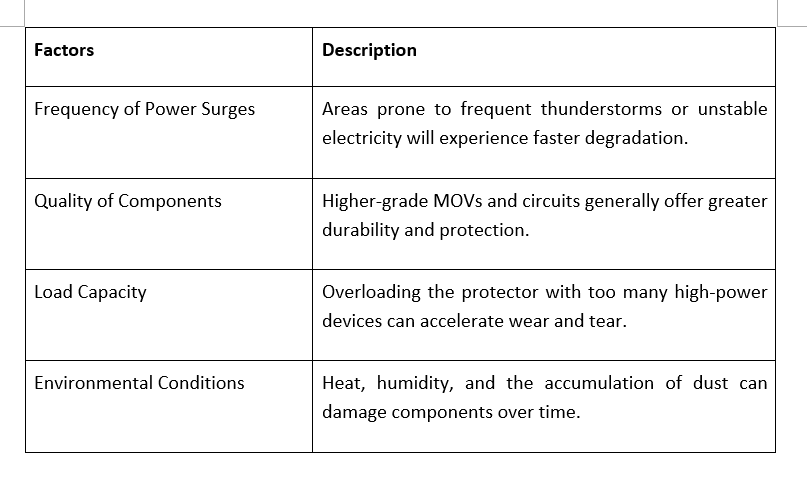
Several factors determine how a voltage surge protector remains effective. Some are:
When do Voltage Surge Protectors Need to be Replaced?
Although these devices have finite lifespans, their durability can be maximized by employing better practices in electrical management. Users should ensure that the electrical network is properly grounded, as an improperly grounded system can cause premature failure of protective equipment.
Regular inspections and timely replacements form another layer of safety, particularly in offices or industrial facilities where sensitive equipment is constantly in use.
Another valuable practice is to match each voltage surge protector to the specific devices it supports. For instance, computers and data storage equipment require stronger, multi-layer protection in comparison to small household appliances. Typically, a surge protector should be replaced every 3-5 years; however, it is also important to check it regularly.
Are All Protectors Equal in Durability?
Not all protectors are made alike. Some entry-level models are designed specifically for small appliances or home electronics, while many advanced units incorporate multiple layers of protection suitable for data centres. Industrial-grade protectors, when properly maintained, can last longer and offer more robust defense against surges. Still, no device provides unlimited protection.
The durability of a voltage surge protector also depends on adhering to the manufacturer's guidelines. Using the protector for devices beyond its rated capacity or failing to incorporate it into a proper grounding system will significantly reduce its lifespan.
Maintaining the Life of Your Voltage Surge Protector
Surge protectors do not last forever. But there are a few strategies users can adopt to maximize their benefits. These include:
- Avoid daisy-chaining multiple protectors, as this can overload circuits.
- Ensuring proper grounding of electrical systems by performing regular checks.
- Keeping protectors away from heat sources to avoid risking a fire hazard.
- Scheduling regular maintenance checks, especially in professional environments.
Incorporating surge protection into any electrical setup is a wise decision, but the true value lies in the reliability of the provider. Partnering with established, reputable energy brands ensures that the protectors are tested for long-term durability and are backed by professional support.
How Long Do Voltage Surge Protectors Really Last?
Let us first understand what surge protectors are. Voltage surge protectors help prevent excessive voltage by relocating the extra energy to the ground. This prevents any sudden damage to electrical equipment and, even worse, fire hazards.
In modern households and commercial spaces, the reliability of electrical equipment depends heavily on consistent voltage flow. If there's any sudden spike in electricity, it can damage delicate devices and lead to costly repairs. This is why many businesses employ a voltage surge protector as a safeguard against such fluctuations.
But one important question arises: how long do these protectors truly last, and when should they be replaced?
The Lifespan of a Surge Protector
A surge protector is definitely not designed to last indefinitely. Its internal components, particularly the Metal Oxide Varistors (MOVs), absorb excess energy during a voltage spike. Over time, and with repeated exposure to power surges, these components degrade.
Industry research suggests that the average lifespan of a surge protector ranges between three to five years under normal residential conditions. However, for environments with frequent electrical storms, heavy machinery, or unstable grids, the lifespan can be much shorter.
Factors That Influence Longevity
Several factors determine how a voltage surge protector remains effective. Some are:
Factors Description
Frequency of Power Surges Areas prone to frequent thunderstorms or unstable electricity will experience faster degradation.
Quality of Components Higher-grade MOVs and circuits generally offer greater durability and protection.
Load Capacity Overloading the protector with too many high-power devices can accelerate wear and tear.
Environmental Conditions Heat, humidity, and the accumulation of dust can damage components over time.
When do Voltage Surge Protectors Need to be Replaced?
Although these devices have finite lifespans, their durability can be maximized by employing better practices in electrical management. Users should ensure that the electrical network is properly grounded, as an improperly grounded system can cause premature failure of protective equipment.
Regular inspections and timely replacements form another layer of safety, particularly in offices or industrial facilities where sensitive equipment is constantly in use.
Another valuable practice is to match each voltage surge protector to the specific devices it supports. For instance, computers and data storage equipment require stronger, multi-layer protection in comparison to small household appliances. Typically, a surge protector should be replaced every 3-5 years; however, it is also important to check it regularly.
Are All Protectors Equal in Durability?
Not all protectors are made alike. Some entry-level models are designed specifically for small appliances or home electronics, while many advanced units incorporate multiple layers of protection suitable for data centres. Industrial-grade protectors, when properly maintained, can last longer and offer more robust defense against surges. Still, no device provides unlimited protection.
The durability of a voltage surge protector also depends on adhering to the manufacturer's guidelines. Using the protector for devices beyond its rated capacity or failing to incorporate it into a proper grounding system will significantly reduce its lifespan.
Maintaining the Life of Your Voltage Surge Protector
Surge protectors do not last forever. But there are a few strategies users can adopt to maximize their benefits. These include:
● Avoid daisy-chaining multiple protectors, as this can overload circuits.
● Ensuring proper grounding of electrical systems by performing regular checks.
● Keeping protectors away from heat sources to avoid risking a fire hazard.
● Scheduling regular maintenance checks, especially in professional environments.
Incorporating surge protection into any electrical setup is a wise decision, but the true value lies in the reliability of the provider. Partnering with established, reputable energy brands ensures that the protectors are tested for long-term durability and are backed by professional support.
