How Sekiro Turns Suffering Into a Spiritual Practice
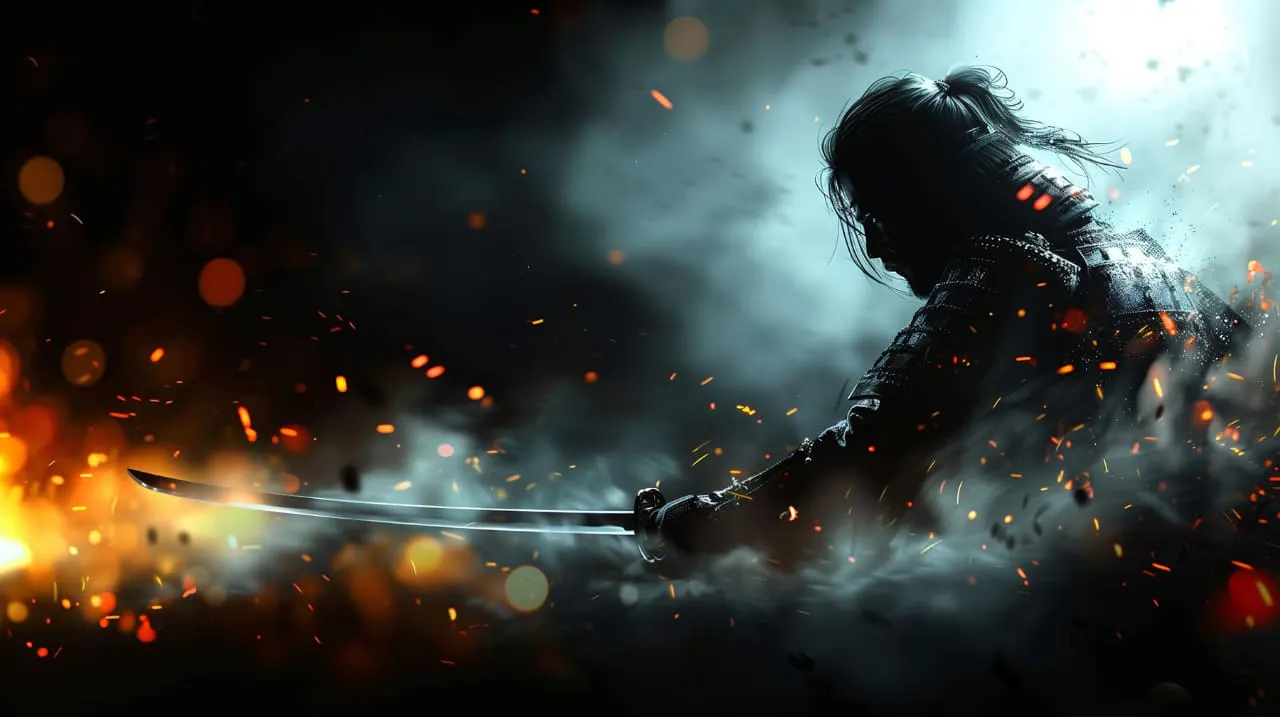
The first time Sekiro killed me, I got angry. The tenth time, frustrated. Somewhere around the fiftieth death, something shifted. I stopped fighting the game. I started listening to it.
Sekiro: Shadows Die Twice is brutal by design. FromSoftware built it that way on purpose. But buried inside that relentless difficulty is something unexpected. A quiet, persistent meditation on Buddhist philosophy. Not the kind you study in a textbook. The kind you absorb through failure, repetition, and eventual surrender.
This isn't a game that lectures you about spiritual awakening. It drags you through the process. One death at a time.
Death Is the Teacher, Not the Enemy
Most games treat death as punishment. You lose progress. You restart from a checkpoint. The message is simple—you failed. Try harder. Sekiro flips that completely. And the shift changes everything about how you experience failure.
In Buddhist thought, suffering isn't a mistake. It's the first Noble Truth. Life involves pain. Resisting that truth only deepens it. Sekiro mirrors this with startling precision. Every death reveals something. A timing window you missed. A pattern you didn't notice. A reflex you need to unlearn. The resurrection mechanic drives it home each time. You fall. You rise. You carry new understanding forward.
There's no shortcut past the pain. You can't over-level your character or grind your way through. You either learn what the game is teaching or you stay trapped in the same cycle. That design choice turns repetition into something resembling seated meditation. You return to the same cushion. You do the same practice. But you arrive each time with a slightly different mind.
The game never spells any of this out. It lets the experience do the teaching.
The Rhythm of Deflection and Letting Go
Most action games reward aggression. Hit fast, hit hard, win. Sekiro punishes that instinct immediately. Button-mashing leads to a quick death every time. The real skill lives in deflection—meeting the enemy's blade at the precise moment and redirecting force instead of trying to overpower it.
Think about that mechanically for a second. Then think about it spiritually. Buddhism teaches that clinging to desire, identity, or outcome generates suffering. Letting go is the way through. In Sekiro, you practice this with a sword in your hands. Hold your guard too tightly and your posture shatters. Dodge too early out of panic and you get punished. But time your deflection right? The enemy's stance crumbles. Not yours.
It took me hours to unlearn the urge to attack first. My thumbs craved control. The game insisted on patience. Somewhere inside that friction, a deeper lesson took shape. Not everything needs to be overpowered. Some things just need to be met cleanly and released.
That shift didn't stay in the game. It followed me. Small frustrations at work stopped landing as hard. Difficult conversations felt less charged. I started meeting moments instead of bracing against them. The game taught my hands something my mind had been resisting for years.
Dragonrot: When Your Suffering Spreads
Here's where the game design moves from clever to genuinely profound. Every time Wolf truly dies—not the mid-combat resurrection, but the real death, the one that sends you back to a Sculptor's Idol—a disease called Dragonrot creeps through the world. NPCs you've built connections with start coughing. Their health declines. Their personal storylines freeze. Quests you cared about become locked behind a sickness your permanent failures caused.
That distinction matters. The resurrection mechanic is mercy. A second breath. A chance to stand back up and keep fighting. The game doesn't punish you for using it. But when you exhaust that grace and still fall? When you truly give in to death? That's when the people around you pay the price.
This mirrors the Buddhist concept of dependent origination—the idea that nothing exists in a vacuum. Every action produces ripples. Personal suffering touches the people nearby whether you mean it to or not. Dragonrot takes that abstract teaching and makes it land in your chest.
I remember hearing the old woman near the Ashina Outskirts cough for the first time. That hit differently than losing a boss fight. The game was holding up a mirror. My complete surrender—not my struggle, but my capitulation—reached the people connected to me. Something about that truth felt too real for a video game. It lingered for days.
Impermanence Written Into Every Boss Fight
No boss in Sekiro stays the same for the entire fight. Their patterns mutate between phases. Genichiro draws lightning from the sky in his final form. The Guardian Ape picks up its own severed head and keeps attacking. Lady Butterfly dissolves into shimmering illusions that swarm you.
Each encounter teaches impermanence through sudden, violent surprise. The moment you think you understand the fight, the rules change. Strategies that worked thirty seconds ago become worthless. You adapt in real time or you die.
Buddhism calls this anicca. Nothing is permanent. Not comfort. Not pain. Not the confident version of yourself that walked into the arena. Sekiro turns this into direct experience. Boss by boss. Phase by phase. You cannot cling to what worked before. Staying present is the only option.
There's something quietly meditative about the retry loop once frustration burns off. You enter. You watch. You adjust. You fall. You return. Over and over, the cycle strips away ego until nothing remains but pure attention. And right there—in that emptied-out space—real progress finally shows up.
The Sculptor's Warning: What Happens When You Cling
The Sculptor sits inside a ruined temple, carving Buddha statues endlessly. He barely speaks. His past unfolds in scattered fragments. Former shinobi. Haunted by violence. Unable to release old guilt. His hands still clutch a phantom blade even while shaping wood into sacred figures.
He represents a cautionary tale about attachment taken to its absolute limit. In Buddhist terms, the Sculptor embodies what happens when someone refuses to let go. He grips guilt, memory, and identity until they fuse into something inescapable. The game eventually shows you where that path leads. It does not lead to peace.
Without revealing too much, his arc ends in transformation of the worst kind. Not growth. Consumption. The inner fire he refused to release devours him completely.
Playing through his story felt like sitting with a parable. The kind passed down in monasteries. Brief. Devastating. Impossible to forget. FromSoftware needed no heavy exposition to make the lesson hit. The Sculptor's fate says everything Buddhism teaches about the price of holding on too long.
Liberation as the Final Reward
Sekiro offers several endings. The one that resonates most with Buddhist thought is the Return—sometimes called Dragon's Homecoming. It demands more effort than any other route. You need to seek out the Divine Child of Rejuvenation, follow her hidden questline, gather rice and texts most players would never stumble upon organically. Every step requires deliberate, almost devotional attention.
But the meaning behind it is unmistakable. Wolf doesn't just sever the immortality bond. He embarks on a pilgrimage to return the Divine Heritage to its origin in the West. Liberation from the cycle of death and rebirth sits at the center of Buddhist practice. Nirvana isn't a reward you collect. It's release from craving, repetition, and suffering itself. The Return ending mirrors this beautifully. Wolf doesn't conquer his enemies. He carries something sacred forward so the cycle can finally rest.
That ending lingered with me longer than any boss victory. It reframed every brutal hour the game had demanded. All that pain, all those deaths, every wave of frustration—none of it was punishment. It was preparation for a journey the game waited until the very end to reveal. Not conquest. Homecoming.
More Than a Game
Sekiro doesn't ask you to read about Buddhism. It makes you practice it—through your hands, your patience, your stubborn refusal to quit when everything tells you to walk away. The Sengoku-era temples, monks chanting inside burning courtyards, sutras woven into item descriptions—they all reinforce what the mechanics already teach on a visceral level.
Suffering isn't the enemy. Clinging to it is.
For anyone who feels pulled toward these ideas beyond the screen, Mantrapiece creates handcrafted Buddhist jewelry rooted in the very concepts Sekiro explores—impermanence, non-attachment, and the pursuit of inner liberation. Wearing those symbols keeps the practice close, long after the controller goes quiet.
Some games entertain you for a weekend and fade. A rare few shift how you see the world. Sekiro managed both. It just had to kill me a thousand times to prove its point.

